Trump admin drops ‘Indo’ from US Pacific Command’s name: Shashi Tharoor asks ‘One more nail in the coffin of Quad?’
Trump Admin Drops 'Indo' from US Pacific Command Name: Shashi Tharoor Questions Impact on Quad Decision to Revert Name Sparks Debate Theindiapostdaily.com – The Trump administration has removed the term…
Trump Admin Drops ‘Indo’ from US Pacific Command Name: Shashi Tharoor Questions Impact on Quad
Decision to Revert Name Sparks Debate
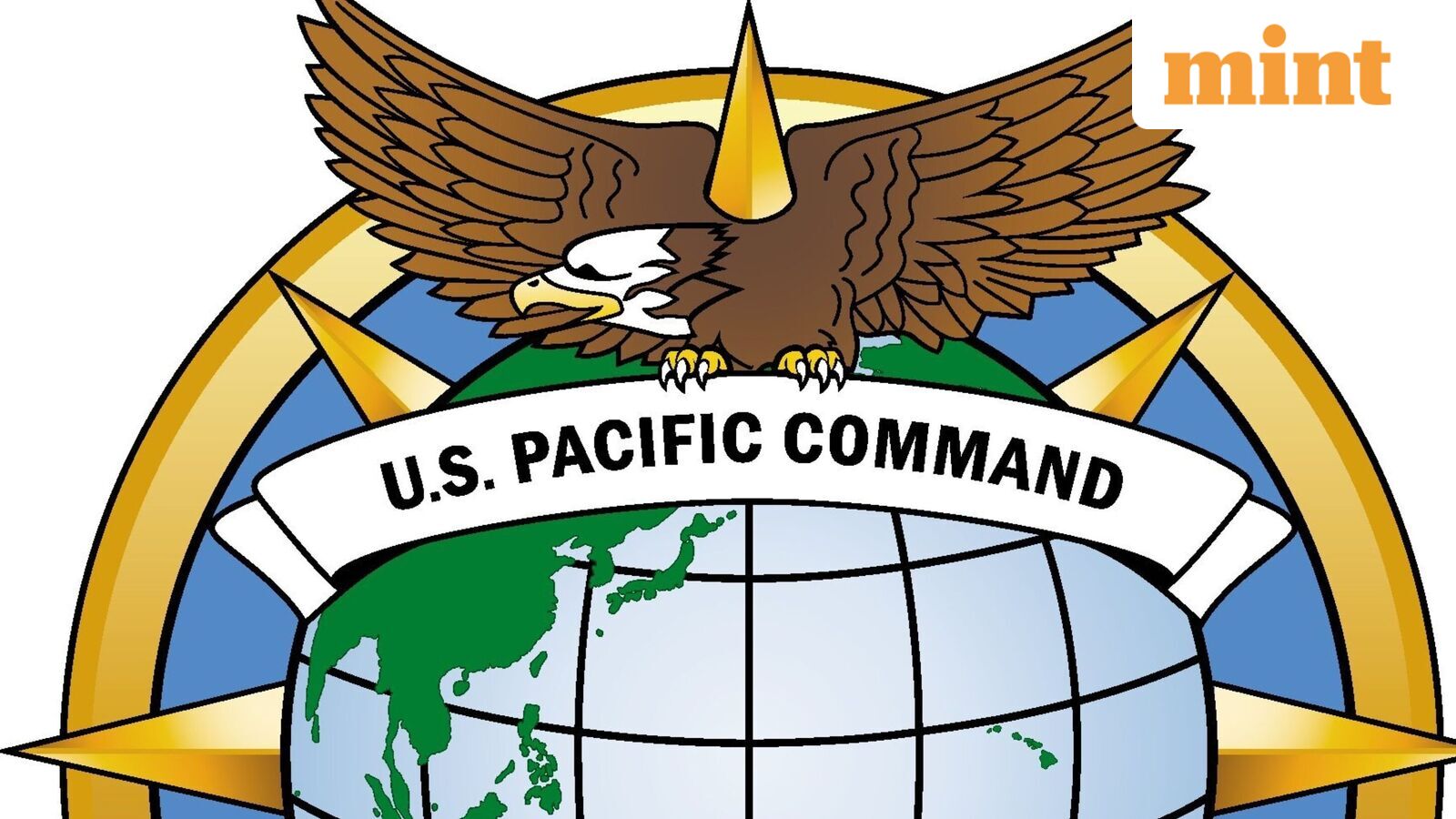
Theindiapostdaily.com – The Trump administration has removed the term “Indo” from the name of the US Pacific Command, marking a significant shift in strategic terminology. This move, which reverts the command back to its original designation—US Pacific Command (USPACOM)—has drawn attention from analysts and political figures, including Congress member Shashi Tharoor. In a tweet, he remarked,
“One more nail in the coffin of the Quad?”
highlighting concerns over the change’s potential to weaken the Quad’s relevance. The decision reflects a broader trend of revisiting regional strategies and underscores the evolving priorities of US military operations in the Indo-Pacific.
The name change was first introduced in 2018 as a symbol of the growing strategic partnership between the US and India. At the time, the rebranding was seen as an acknowledgment of India’s rising influence and its role in shaping security dynamics across the Indian and Pacific Oceans. However, the decision to revert to the original title now raises questions about the administration’s commitment to the Quad, a strategic grouping of the US, India, Japan, and Australia aimed at countering China’s geopolitical expansion. Critics argue that this reversal could signal a diminished focus on multilateral alliances in favor of bilateral or unipolar approaches.
Historical Context and Operational Scope
Established in 1947 under President Harry Truman, the US Pacific Command has long served as a central hub for military operations spanning the Americas, East Asia, and the Indian Ocean. Its role has evolved over decades, from Cold War-era containment strategies to modern-day missions involving maritime security, counterterrorism, and disaster relief. Despite the name change, the command’s operational mandate remains unchanged, covering vast territories including the Pacific Ocean, much of the Indian Ocean, and regions from the western coast of the Americas to India’s western border.
The Pentagon emphasized that the decision to drop “Indo” was driven by a desire to preserve the command’s historical legacy and clarify its geographic scope. Officials stated the name shift would not alter the strategic emphasis on the Indo-Pacific region, which remains a critical area for US military engagement. However, the change has been interpreted by some as a subtle realignment of priorities, potentially sidelining India’s role in the Quad. With the command’s title reverting to USPACOM, analysts are now scrutinizing how this affects the symbolic and operational importance of the Quad’s Indo-Pacific focus.
Strategic Implications for the Quad
The Quad, or Quadrilateral Security Dialogue, has been a cornerstone of US-India-Japan-Australia collaboration since its inception in 2007. While its formal name remains unchanged, the shift in the Pacific Command’s designation has sparked debates about its practical implications. Shashi Tharoor’s remark underscores the symbolic weight of the name change, as the inclusion of “Indo” in the command’s title had been a rallying point for proponents of the Quad. The reversal may be seen as a diplomatic signal, possibly reflecting a temporary pause in the alliance’s momentum amid shifting global priorities.
Proponents of the Quad argue that the name change could weaken the perception of a unified front against regional challenges, particularly China’s assertive policies in the South China Sea and India’s border disputes with Pakistan. The command’s title, they contend, now emphasizes the Pacific Ocean over the Indian Ocean, potentially marginalizing India’s strategic contributions. Meanwhile, supporters of the decision stress that the command’s operations and partnerships remain robust, with a continued emphasis on fostering stability across the entire Indo-Pacific region.
Global Reactions and Strategic Rivalries
Analysts from across the globe have weighed in on the decision, with some viewing it as a pragmatic adjustment to streamline US military focus. Others, however, see it as a strategic move that could embolden China’s influence in the region. The reversion to USPACOM may be interpreted as a nod to the US’s traditional dominance in the Pacific, while downplaying the shared responsibilities of the Quad. This could have implications for India’s diplomatic and military positioning, as it seeks to balance its engagements with the US, China, and other global powers.
Despite the symbolic debate, the USPACOM name retains its historical significance. The command has played a pivotal role in major conflicts, including the Korean War and Vietnam War, and continues to coordinate with allies like Japan and Australia. The decision to drop “Indo” may also reflect internal US strategic debates about the importance of the Indian Ocean compared to the Pacific. However, the Quad’s operational goals—such as enhancing maritime security and countering China—remain intact, even as its name gains renewed scrutiny in the wake of this change.
Future Prospects and Regional Dynamics
The impact of the name change on the Quad’s effectiveness will depend on how the US aligns its military and diplomatic strategies with India’s regional ambitions. While the command’s title has reverted, the Quad’s institutional framework and collaborative efforts are expected to continue. India’s role in the Indo-Pacific, particularly its naval modernization and economic partnerships, remains a critical component of the alliance’s strength. The administration’s decision may also influence how the Quad is perceived by other regional players, including ASEAN nations and South Asian countries, in the context of global power dynamics.
As the USPACOM title reclaims its former prominence, the debate over the Quad’s relevance is likely to persist. The name change serves as a reminder of the symbolic and strategic importance of terminology in international relations. While the focus keyword “Trump admin drops Indo” is central to the discussion, the broader implications of this decision will be shaped by the US’s evolving priorities and its ability to maintain multilateral partnerships in an increasingly competitive global arena.