Mint Explainer: How the Regional Plan 2041 aims to reshape the NCR
The Mint Explainer series continues to highlight critical developments in
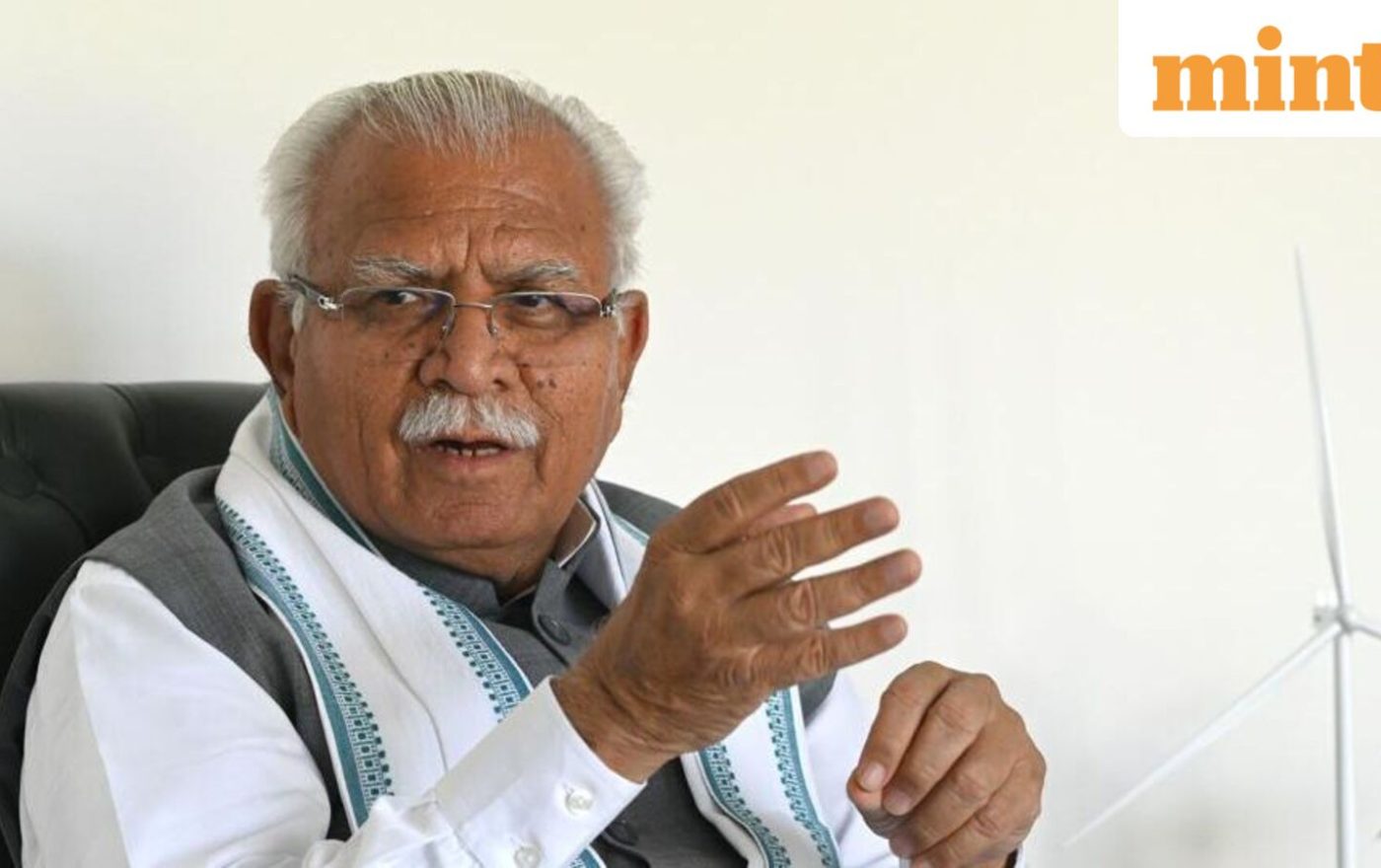
Mint Explainer: How the Regional Plan 2041 aims to reshape the NCR
Theindiapostdaily.com – The Mint Explainer series continues to highlight critical developments in India’s urban planning landscape, with the Regional Plan 2041 serving as a landmark initiative to redefine the National Capital Region (NCR). This comprehensive blueprint, introduced by the Union minister for housing and urban affairs, outlines a strategic vision to address the growing challenges of overpopulation, infrastructure strain, and environmental degradation in the NCR. By creating new urban centers and integrating regional growth, the plan seeks to distribute economic opportunities and resources more equitably across the Delhi-NCR corridor.
The Vision Behind Regional Plan 2041
Regional Plan 2041 is designed to create a sustainable and balanced urban ecosystem by reimagining the spatial and functional organization of the NCR. The plan’s primary goal is to reduce the pressure on New Delhi, which currently bears the brunt of population growth and economic activity, by decentralizing development. This includes the establishment of four new cities—Ghaziabad, Noida, Faridabad, and Ghazipur—as secondary hubs to support the capital’s expansion. The initiative also emphasizes the integration of infrastructure projects like the metro RRTS (Regional Rapid Transit System) to enhance connectivity and mobility across the region.
A key feature of the plan is its focus on smart urbanization, which incorporates green spaces, efficient public transport, and mixed-use development models. The NCR Planning Board has outlined a timeline for implementation, with the first phase targeting the creation of integrated transport networks and housing complexes. By prioritizing sustainable growth, the plan aims to curb urban sprawl, reduce traffic congestion, and improve air quality in the region. Additionally, the strategy emphasizes the role of the Aravalli region as a green buffer, preserving its ecological significance while supporting urban expansion.
Decentralization and Economic Rebalancing
The Regional Plan 2041 underscores the importance of decentralizing economic activity to foster regional equity and reduce the capital’s overburdened state. The plan identifies the need for new cities to serve as growth engines, creating jobs and attracting investment away from Delhi’s crowded core. This approach is expected to alleviate housing shortages, ease traffic congestion, and promote a more distributed urban footprint. By integrating these cities with Delhi through high-speed rail and expressways, the plan envisions a cohesive regional development framework that enhances accessibility and supports decentralized living.
Infrastructure development is a cornerstone of the Regional Plan 2041. The metro RRTS is central to this effort, with plans to connect the four new cities to Delhi and other regional hubs via dedicated rail corridors. These lines are designed to operate at speeds of up to 160 km/h, significantly reducing travel times and improving transportation efficiency. The plan also includes the development of a network of expressways and roadways to link these cities, ensuring seamless movement of goods and people. Additionally, the integration of smart technologies in urban planning is expected to enhance governance, reduce waste, and improve the quality of life for residents.
The Regional Plan 2041 has sparked discussions about its potential impact on the NCR’s demographic and economic structure. By promoting the growth of secondary cities, the plan aims to create a more resilient urban network that can withstand future challenges. This decentralization strategy also seeks to address the issue of over-reliance on Delhi as the primary economic and administrative center, encouraging regional collaboration and shared resources. However, critics argue that the success of the plan hinges on effective implementation, equitable resource distribution, and long-term policy commitment to sustain growth.