Quote of the day by Bertrand Russell: ‘If an opinion contrary to your own makes you angry, that is a sign that…’
Bertrand Russell’s Quote of the Day: When Anger Signals Weak Reasoning The Insight of a Philosopher Quote of the day by Bertrand - One of the most enduring
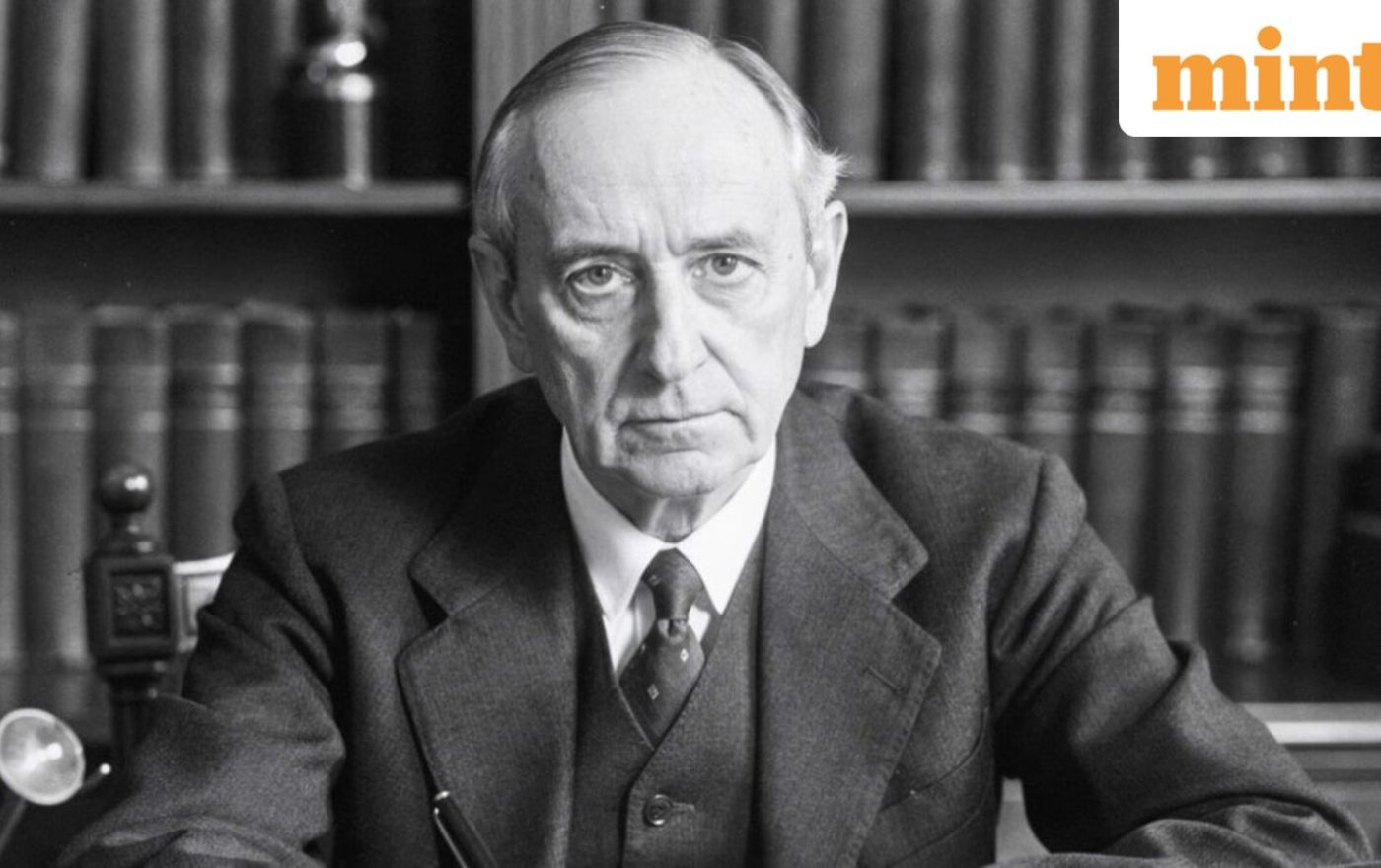
Bertrand Russell’s Quote of the Day: When Anger Signals Weak Reasoning
The Insight of a Philosopher
Theindiapostdaily.com – One of the most enduring quotes from Bertrand Russell, the British philosopher, mathematician, and social reformer, offers a profound reflection on human reasoning: “If an opinion contrary to your own makes you angry, that is a sign that you are subconsciously aware of having no good reason for thinking as you do.” This statement, which encapsulates Russell’s belief in intellectual humility, remains a cornerstone in discussions about critical thinking and open-mindedness. It serves as a reminder that our emotional responses to differing viewpoints often reveal more about our own convictions than the opposing perspective itself.
Why Anger Reflects Reasoning
Russell’s quote underscores a fundamental truth about human psychology. When we encounter an idea that contradicts our own, the immediate reaction of anger can be a sign of underlying doubt. This is not to dismiss emotion, but to highlight its role as a barometer of reasoning. If an opinion challenges our beliefs and triggers frustration, it suggests that we may not have thoroughly examined our own arguments. Anger, in this context, becomes a signal that we need to dig deeper into the logic behind our positions.
“If an opinion contrary to your own makes you angry, that is a sign that you are subconsciously aware of having no good reason for thinking as you do.” — Bertrand Russell
Modern Relevance in a Divided World
In today’s hyperconnected world, where debates often escalate into conflicts on social media, Russell’s insight holds particular weight. The rapid spread of information has made it easier for people to encounter opposing views, but it has also intensified the emotional reactions to them. This quote encourages individuals to pause, reflect, and assess whether their frustration stems from genuine disagreement or a lack of solid reasoning. By doing so, we can cultivate a more respectful and constructive dialogue, even in the face of strong opposition.
Moreover, Russell’s message is especially pertinent in an era of misinformation and polarization. When beliefs are rooted in evidence and logic, they are less likely to provoke defensiveness. However, when those beliefs are fragile or hastily formed, they become vulnerable to attack. This quote acts as a guide for those seeking to strengthen their arguments and reduce the likelihood of emotional backlash.
Practical Steps to Apply the Quote
Implementing Russell’s advice requires conscious effort and self-awareness. Here are some actionable strategies to integrate his wisdom into daily interactions:
1. Pause before responding: Allow time to process opposing views without immediate defensiveness. This pause can help clarify whether the anger is a reaction to the idea itself or to a lack of evidence supporting it.
2. Ask questions: Seek to comprehend rather than dominate the conversation. By asking probing questions, you can uncover the reasoning behind an opposing opinion and determine its validity.
3. Examine your reasoning: Challenge your own beliefs with evidence and logic. This practice not only strengthens your arguments but also makes you more resilient to criticism.
4. Stay open to change: Acknowledge that new information may refine or reshape your understanding. Flexibility in thought allows for growth and the refinement of ideas.
5. Focus on dialogue: Prioritize learning over winning. Creating space for mutual respect and open discussion fosters a more enriching exchange of ideas.
The Legacy of Bertrand Russell
Bertrand Russell’s contributions extend beyond philosophy into mathematics, logic, and social commentary. His work on the foundations of mathematics, particularly Principia Mathematica (co-authored with Alfred North Whitehead), reshaped the field and influenced later developments in analytic philosophy. Russell’s ability to articulate complex ideas with clarity made his quotes accessible and impactful across disciplines.
Russell’s personal life also reflected his intellectual pursuits. After losing his parents at a young age, he was raised by his grandparents, which shaped his early exposure to rigorous thinking. His marriages and personal relationships, though sometimes turbulent, were marked by a commitment to intellectual curiosity and social justice. This blend of academic rigor and personal introspection is evident in his enduring quote about anger and reasoning.
Conclusion: A Timeless Principle
Russell’s quote of the day continues to resonate because it addresses a universal human experience: the conflict between emotion and reason. In an age where debates are often driven by passion rather than logic, his words serve as a call to action for more thoughtful engagement. By recognizing that anger in response to opposing opinions may signal weak reasoning, individuals can strive for a more balanced approach to dialogue.
Ultimately, Bertrand Russell’s insight encourages us to approach disagreements not as battles to be won but as opportunities to refine our understanding. Whether in personal relationships, professional settings, or public discourse, applying this principle can lead to more constructive conversations and a deeper appreciation for diverse perspectives.