‘Yes, we did it,’ Modi-Starmer hot mic moment suggests breakthrough in UK-India trade deal | Watch
Yes, We Did It! Modi-Starmer Hot Mic Moment Signals UK-India Trade Breakthrough Theindiapostdaily.com – At the G7 summit in France, a spontaneous exchange between UK Prime Minister Keir Starmer and…
Yes, We Did It! Modi-Starmer Hot Mic Moment Signals UK-India Trade Breakthrough
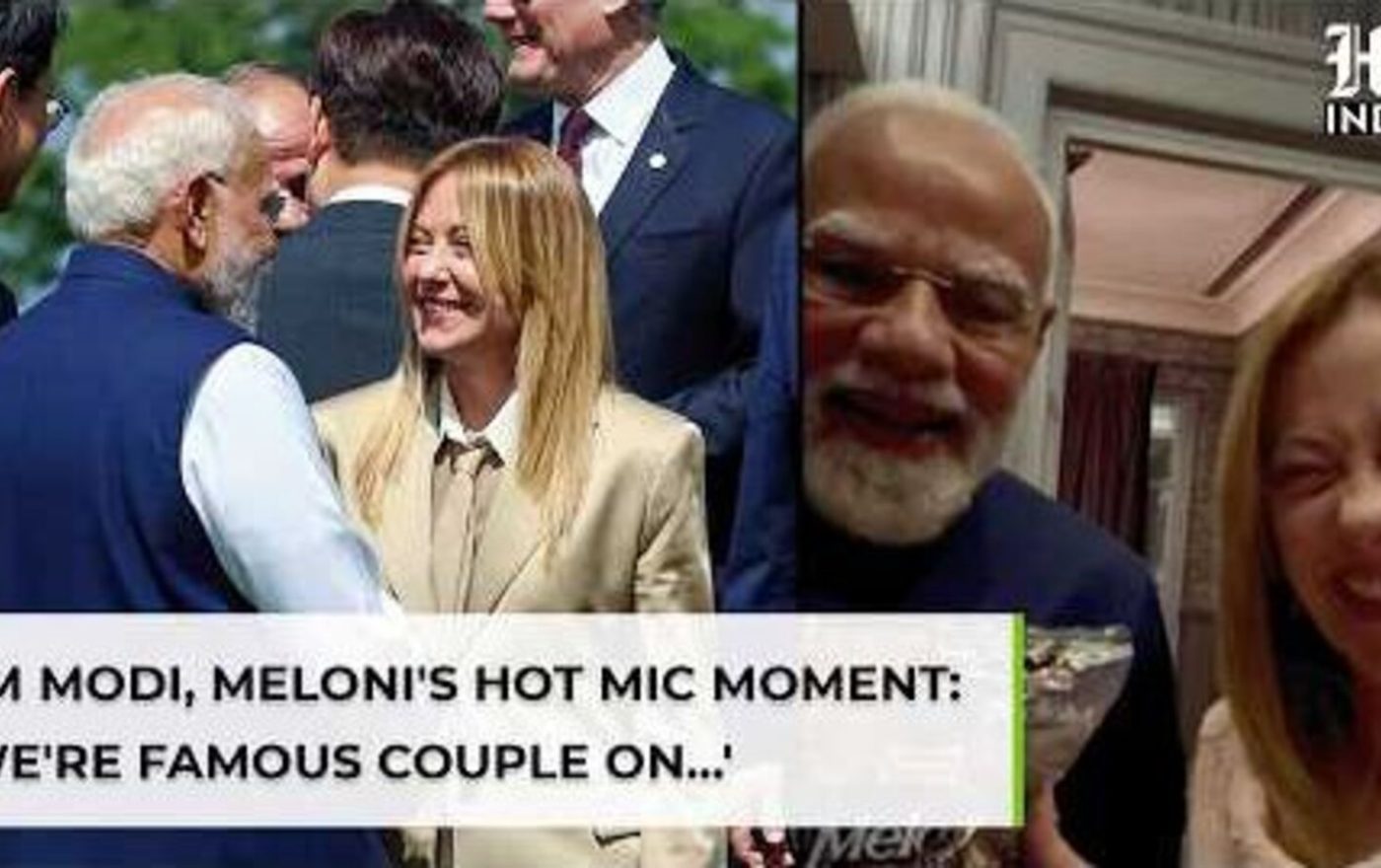
Theindiapostdaily.com – At the G7 summit in France, a spontaneous exchange between UK Prime Minister Keir Starmer and Indian Prime Minister Narendra Modi captured global attention, with the pair declaring, “Yes, we did it” in a moment that highlights significant progress toward a long-awaited trade agreement. This candid conversation, recorded on a live microphone, has sparked widespread speculation about the potential finalization of the UK-India Economic and Trade Agreement, a deal that has been in the works for years. The focus keyword “Yes we did it Modi” resonates strongly here, as the leaders’ shared enthusiasm suggests a turning point in resolving bilateral trade tensions and advancing economic cooperation.
The Path to Agreement
The UK-India trade deal, which entered its final stages during the summit, aims to streamline tariffs and boost bilateral commerce. Modi’s exuberant exclamation, “Yes, we did it,” followed by Starmer’s energetic affirmation, “We did it. Yes, yes, yes, I hear. We got it over the line. So this is good,” underscores the momentum behind the agreement. While the deal was finalized last year, its implementation has faced hurdles, particularly due to India’s concerns over the UK’s steel safeguard measures. These provisions, which allow temporary import restrictions to protect domestic industries, have been a sticking point in negotiations. However, the leaders’ interaction signals that these obstacles are being addressed, paving the way for a more concrete resolution.
“We did it,” Modi can be heard saying to Starmer as the two men meet on the sidelines of the meeting, with other leaders milling around. Starmer then replies: “We did it. Yes, yes, yes, I hear. We got it over the line. So this is good.”
Resolving the Steel Dispute
The steel safeguard measures, introduced by the UK, have been a central issue in the trade deal’s delayed implementation. India, a major steel exporter, had expressed reservations about these provisions, arguing that they could undermine the agreement’s commitment to tariff-free trade. The leaders’ exchange at the G7 summit suggests that both sides are willing to compromise. Modi’s remark appears to affirm that India has accepted the UK’s position, while Starmer’s response indicates confidence in reaching a consensus. This shift in tone may signal that the two nations are prioritizing economic collaboration over ideological differences.
India’s earlier hesitation was tied to fears that the UK’s procedural rigidity would complicate the agreement’s rollout. However, recent statements from Indian officials indicate that the focus has shifted to addressing the specific steel provisions. These measures, set to reduce import quotas under the original trade pact, have prompted discussions about adjusting India’s concessions to align with the UK’s goals. By acknowledging the progress made, Modi and Starmer are signaling a willingness to move past these disputes and solidify the deal’s viability.
Broader Implications for UK-India Relations
The trade deal represents more than just economic gains; it symbolizes a renewed partnership between the UK and India. As the UK seeks to diversify its trade relationships post-Brexit, India has emerged as a strategic partner, offering access to a rapidly growing market and a key player in global supply chains. The leaders’ “Yes, we did it” moment suggests that this agreement could serve as a model for future collaborations, especially in sectors like technology, agriculture, and manufacturing. With the G7 summit acting as a platform for such negotiations, the deal’s success may also bolster India’s role in international trade diplomacy.
Moreover, the trade pact is expected to enhance India’s economic resilience by opening new markets for its exports. The UK, in turn, stands to benefit from increased access to Indian goods, particularly in areas such as pharmaceuticals, textiles, and renewable energy. The hot mic moment, while brief, encapsulates the optimism surrounding this deal and its potential to address trade imbalances and create mutual economic advantages. Analysts believe that resolving the steel dispute will not only expedite the agreement’s implementation but also strengthen the foundation for long-term trade partnerships.
A Strategic Move for Global Trade
The UK-India trade deal is part of a broader strategy to reposition the UK as a leading player in global trade. With the G7 summit providing a high-profile stage for negotiations, the leaders’ collaboration highlights the importance of multilateral forums in advancing bilateral agreements. India’s participation in the G7 also reflects its growing influence on the world stage, as it seeks to align its economic policies with those of developed nations while maintaining its development priorities. The “Yes, we did it” exchange, therefore, is not just a moment of personal diplomacy but a step toward a more interconnected global economy.
For India, the deal represents a critical opportunity to diversify its trade partners and reduce dependency on traditional markets. The UK’s commitment to tariff-free trade, combined with Modi’s approval of the steel safeguards, could lead to a more balanced and sustainable partnership. As the two leaders continue to work on finalizing the agreement, their collaboration serves as a reminder of the power of direct engagement in resolving complex trade issues. This breakthrough may also inspire other nations to prioritize pragmatic economic diplomacy over political posturing, setting a precedent for future international trade negotiations.