US-Iran peace deal: Tehran sets key condition ahead of signing landmark agreement
US-Iran Peace Deal: Iran Demands Israel's Withdrawal from Lebanon as Key Condition Before Signing Theindiapostdaily.com – As the historic US-Iran peace deal approaches finalization, Iranian Foreign Minister Seyed Abbas Araghchi…
US-Iran Peace Deal: Iran Demands Israel’s Withdrawal from Lebanon as Key Condition Before Signing
Theindiapostdaily.com – As the historic US-Iran peace deal approaches finalization, Iranian Foreign Minister Seyed Abbas Araghchi has underscored a pivotal requirement that could shape the agreement’s terms. In a recent statement, he emphasized that Israel’s withdrawal from southern Lebanon must be a central part of the deal, warning that the occupation would undermine the agreement’s validity. This condition has sparked renewed debate over the geopolitical implications of the deal, which aims to resolve long-standing tensions between the United States and Iran. The US-Iran peace deal, if successful, could mark a significant shift in regional alliances and set the stage for broader Middle East stability.
The Roots of the US-Iran Peace Deal
The US-Iran peace deal is the result of months of tense negotiations, driven by both nations’ desire to reduce military conflict and economic sanctions. Iran has long sought to end its isolation under the Trump administration’s “maximum pressure” strategy, while the US aims to secure a framework for cooperation in the region. Key to the agreement is the resolution of Iran’s nuclear program, with the US offering relief in exchange for Iran’s commitments to limit its enrichment activities. However, Araghchi’s insistence on Israel’s withdrawal from Lebanon adds a new dimension, highlighting the deepening entanglement of regional conflicts within the broader diplomatic process.
Israel’s presence in Lebanon has been a point of contention since the 1982 military invasion, with Iran viewing it as a threat to its security and territorial integrity. The 14-point draft memorandum released by Iran’s Mehr news agency explicitly states that the US-Iran peace deal must include Israel’s withdrawal as a necessary condition. This demand reflects Iran’s broader strategy to leverage its diplomatic gains to pressure Israel into a more favorable position in the region.
The US-Iran Peace Deal and the Role of Israel
The inclusion of Israel’s withdrawal from Lebanon in the US-Iran peace deal is not just a symbolic gesture—it carries substantial strategic weight. By tying the agreement to this condition, Iran seeks to ensure that the deal does not leave Israel with unchecked influence in Lebanon, a country with a significant Shiite population that has historically aligned with Iran. This move also aligns with Iran’s broader vision of reshaping the Middle East through alliances and regional influence, potentially reducing the United States’ role as a mediator in conflicts involving Israel.
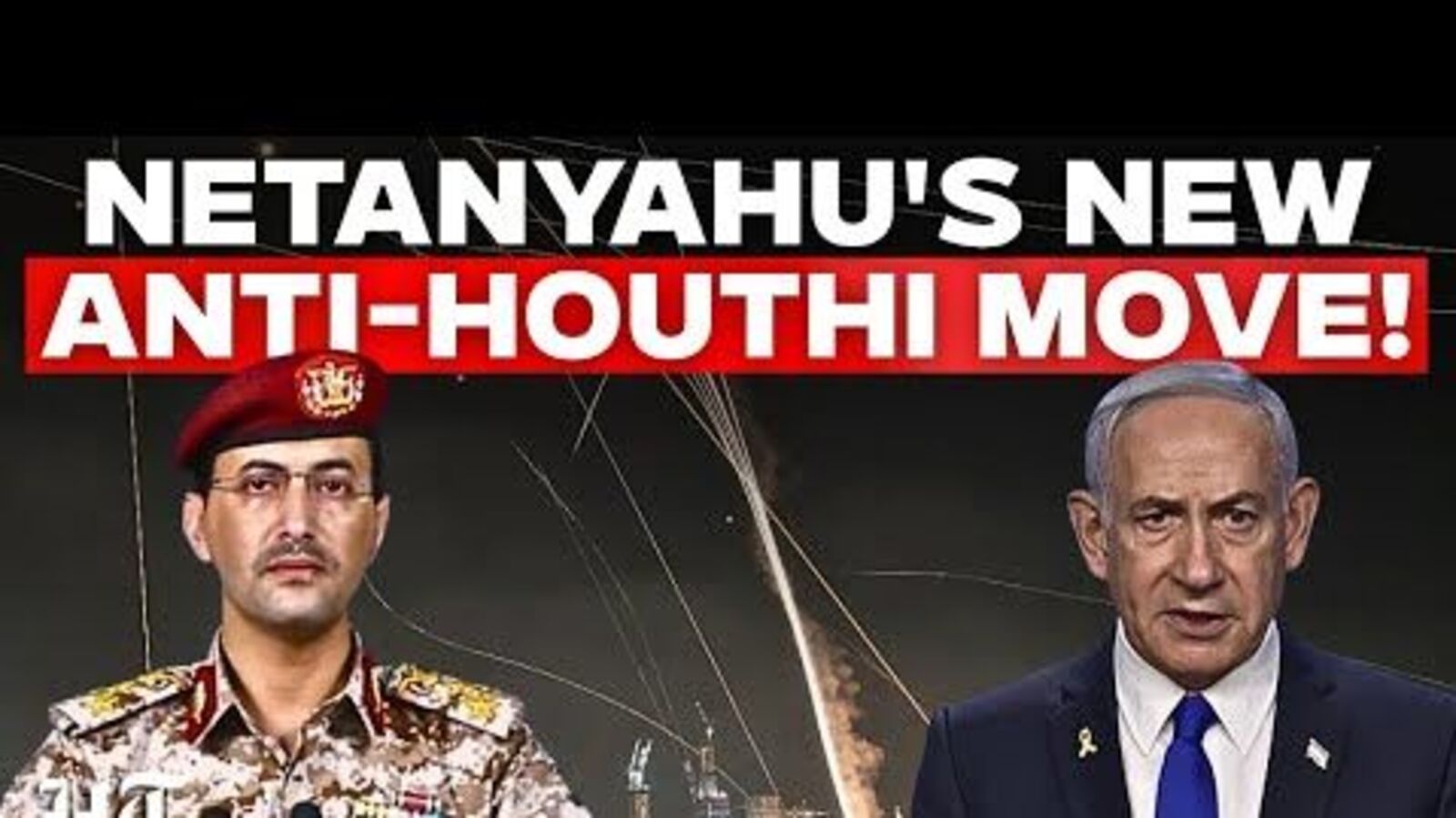
“Without the withdrawal of Israeli forces from the territories they occupied during this war, the war has not fully come to an end,” Araghchi reiterated during a press briefing. His remarks came as a direct challenge to Israeli Prime Minister Benjamin Netanyahu, who had previously resisted similar demands. The US-Iran peace deal, however, appears to have won Netanyahu’s reluctant support, with some Israeli officials acknowledging the need for a diplomatic resolution to the ongoing conflict.
Despite the agreement’s progress, the Israeli government has shown mixed reactions. While some ministers have expressed cautious optimism, others, including far-right factions, have criticized the deal for not fully addressing their security concerns. This internal division underscores the complexity of the US-Iran peace deal, which must balance the interests of multiple stakeholders across the region. The deal’s success will depend on how effectively it can accommodate these concerns while maintaining the momentum of the negotiations.
International Reactions and Regional Implications
The US-Iran peace deal has drawn attention from international observers, who see it as a potential turning point in the region’s geopolitical landscape. While the agreement is primarily a bilateral pact, its impact is expected to ripple across the Middle East, influencing the dynamics between Israel, Lebanon, and other regional actors. The US-Iran peace deal’s emphasis on Israel’s withdrawal from Lebanon could also affect the ongoing conflict in Syria and Gaza, where Israeli and Iranian interests often intersect.
“This deal could redefine the balance of power in the Middle East,” remarked a European diplomat at a recent conference. The agreement’s terms, including the US-Iran peace deal’s focus on Lebanon, may encourage other nations to pursue similar diplomatic pathways. However, the deal’s effectiveness will also depend on the United Nations and other international bodies recognizing and enforcing its provisions.
Additionally, the US-Iran peace deal is being closely watched by neighboring countries, including Saudi Arabia and the United Arab Emirates. These nations, which have long been concerned about Iran’s influence in the region, are weighing the implications of a potential agreement that could weaken Iran’s position in Lebanon and reduce the risk of further escalation. The deal’s success could also signal a broader realignment of power, with the US and Iran working together to counter common threats in the Middle East.
Trump’s Sharp Criticism and the Fragile Consensus
As the US-Iran peace deal moves forward, US President Donald Trump has continued to voice his concerns about Israel’s role in the negotiations. In a recent interview, he criticized Netanyahu for his handling of the conflict in Lebanon, accusing him of allowing excessive Israeli military operations that have caused civilian casualties. Trump’s remarks, though sharp, have not deterred the deal’s progress, as he remains a key player in the negotiations despite his public disagreements with Israeli leaders.
“Too many people have been killed. You don’t have to knock down an apartment house every time you’re looking for somebody, because there are a lot of people in those apartment houses, and they’re not all Hezbollah,” Trump said at the G7 summit in France on June 16. His critique of Israeli tactics has fueled discussions about the humanitarian impact of the conflict and the need for a more balanced approach in the US-Iran peace deal.
Despite Trump’s criticisms, the US-Iran peace deal has garnered support from both nations’ leaders, who see it as a critical step toward de-escalation. The agreement’s success will likely hinge on maintaining this fragile consensus, even as tensions persist between Israel and its neighbors. The US-Iran peace deal’s inclusion of Lebanon as a key condition could also serve as a test case for how such provisions are implemented in practice, setting a precedent for future negotiations.
With the US-Iran peace deal nearing completion, the international community is holding its breath to see whether the agreement can withstand domestic and regional pressures. The deal’s emphasis on Israel’s withdrawal from Lebanon has already sparked debates about its practicality and long-term viability. If successfully implemented, the US-Iran peace deal could pave the way for a more stable Middle East, but its challenges remain significant. As negotiations continue, the focus keyword “US-Iran peace deal” will be central to the discourse shaping the region’s future.