India blocks Telegram till 22 June ahead of NEET re-exam: Why a digital rights group is calling it ‘band aid solution’
India Blocks Telegram Till 22 June Ahead of NEET Re-Exam: Digital Rights Group Labels It 'Band-Aid' Measure India blocks Telegram till 22 June as the
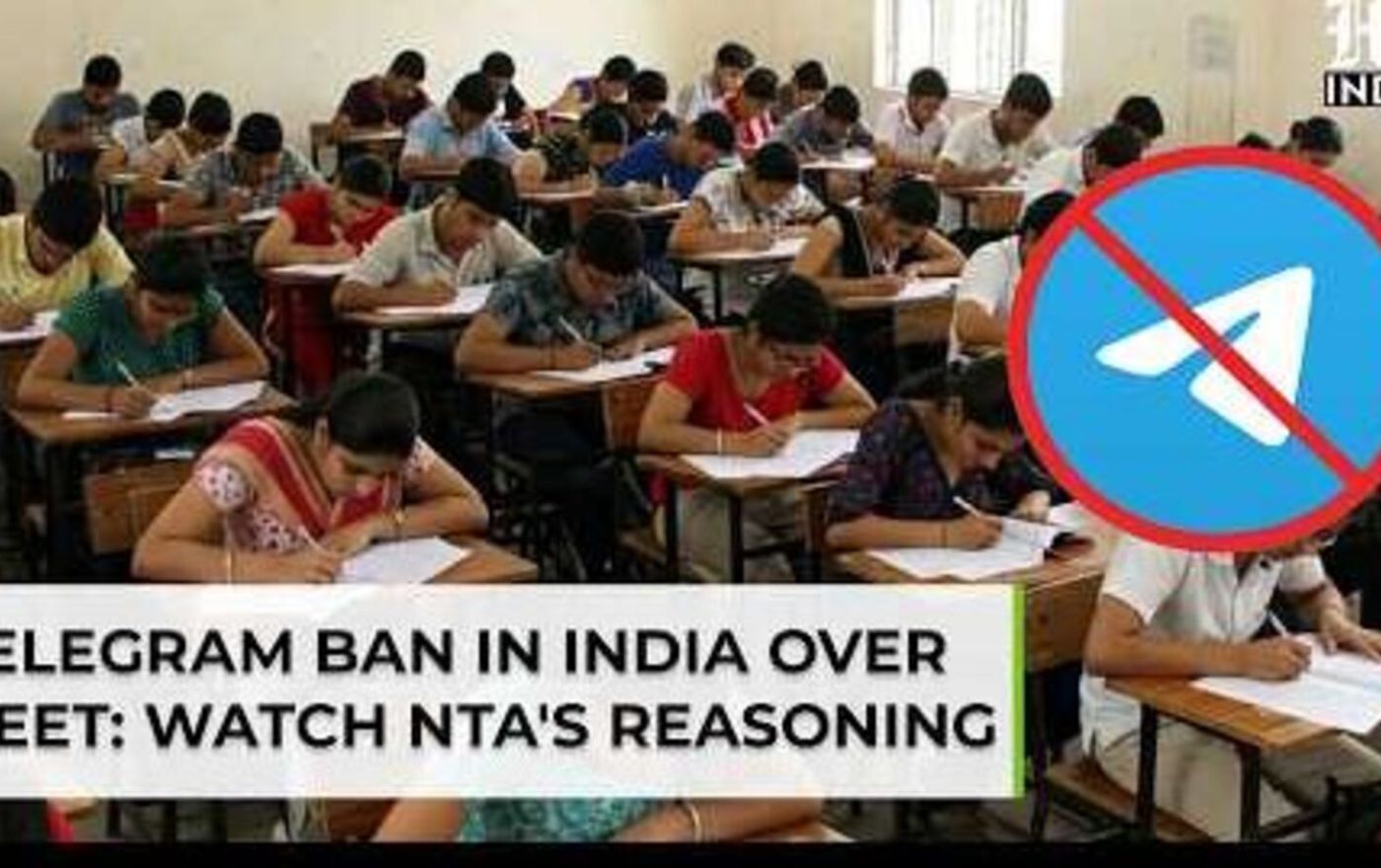
India Blocks Telegram Till 22 June Ahead of NEET Re-Exam: Digital Rights Group Labels It ‘Band-Aid’ Measure
Theindiapostdaily.com – India blocks Telegram till 22 June as the government imposes a temporary internet shutdown on the messaging app ahead of the National Eligibility cum Entrance Test (NEET) undergraduate re-examination on 21 June. This decision, made under Section 69A of the Information Technology Act, 2000, has sparked criticism from the Internet Freedom Foundation (IFF), which argues that the move is an overreach of authority and disproportionately impacts students. The block aims to prevent organized cheating networks from using Telegram to leak exam questions, but its broad application has raised concerns about digital rights and the balance between security and freedom of expression.
The Context of the NEET Re-Exam Controversy
The NEET exam, a crucial gateway for medical aspirants in India, faced a major setback when nearly 2.3 million students’ results were canceled last month due to alleged paper leaks. This incident intensified scrutiny over the exam’s integrity, prompting the National Testing Agency (NTA) to take swift action. With the re-exam scheduled for 21 June, the government opted to block Telegram until 22 June, citing the need to prevent further cheating. However, critics argue that the measure was enacted hastily and without sufficient evidence of immediate harm.
Telegram’s role in previous exam controversies has been well-documented. During the initial NEET exam, the platform was reportedly used by cheating groups to share answers in real-time. The NTA claimed that channel-level takedowns had already removed several groups responsible for leaks, yet the government chose to block the entire app. This decision reflects a growing trend of using broad digital restrictions to address perceived threats to examination security, even when targeted measures could have sufficed.
Legal Framework and Implementation of the Block
Under Section 69A of the IT Act, the government can restrict online content to protect national sovereignty and integrity. The order to block Telegram was issued by the Ministry of Education, leveraging this provision to justify the temporary shutdown. Additionally, the directive required Telegram to disable its message-editing feature for all users in India until 30 June. Tech giants like Google and Apple complied by removing the app from their stores, though the block could be lifted once the re-exam concludes.
While the government defended the move as a necessary step to ensure exam fairness, the Internet Freedom Foundation (IFF) challenged its legality. The group emphasized that Section 69A is designed for specific content restrictions, not for shutting down an entire platform. This legal nuance is critical, as the block could set a precedent for broader censorship in the future. The IFF also pointed out that the directive lacks clarity on how it aligns with the law’s intent and procedural safeguards.
Public Reaction and Broader Implications
Students and educators have expressed mixed reactions to the block. Some support the measure as a way to safeguard the re-exam’s credibility, while others view it as an unnecessary disruption to academic life. The shutdown has also drawn attention to the role of digital platforms in modern education and the potential for government overreach in controlling information flow. Critics argue that the block infringes on users’ rights to access and share information, particularly during a time of high stakes for aspiring medical professionals.
Meanwhile, digital rights advocates have called for a more nuanced approach. They highlight that targeted actions, such as monitoring specific groups or accounts, could have achieved the same goal without affecting millions of users. The IFF’s analysis underscores the tension between government authority and digital freedoms, suggesting that the block is a “band aid solution” that addresses symptoms rather than root causes. This debate highlights the need for a legal framework that balances security concerns with the right to access information.
Long-Term Impact on Digital Communication
The temporary block on Telegram has implications beyond the NEET re-exam. It signals a potential shift toward broader internet regulation, with the government using existing laws to suppress platforms perceived as threats to public order. While the immediate goal is to prevent cheating, the measure could be seen as a tool for long-term control over digital discourse. This raises questions about the sustainability of such interventions and their effect on innovation and user trust in online services.
As the re-exam approaches, the situation remains fluid. The NTA and the Ministry of Education are under pressure to demonstrate that the block is essential for maintaining exam security. If the re-exam proceeds without major issues, the government’s rationale may be vindicated. However, if the block is deemed excessive, it could lead to legal challenges and public protests. The controversy also serves as a reminder of the evolving relationship between state authority and digital platforms in an increasingly connected world.