‘Not me’: Bhagwant Mann rejects controversial video after Akal Takht declares him anti-Guru; BJP slams Punjab CM
Bhagwant Mann Denies Anti-Guru Allegations, BJP Criticizes Punjab CM Controversial Video Sparks Debate Over Sikh Leadership Not me - Bhagwant Mann, the Chief
Bhagwant Mann Denies Anti-Guru Allegations, BJP Criticizes Punjab CM
Controversial Video Sparks Debate Over Sikh Leadership
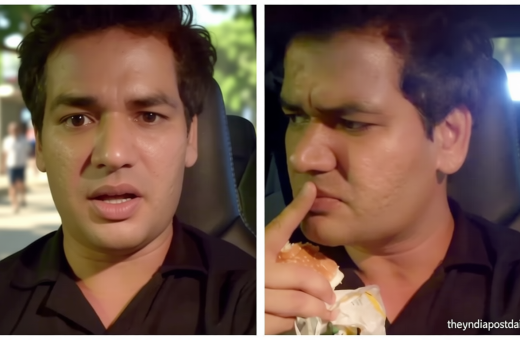
Theindiapostdaily.com – Not me – Bhagwant Mann, the Chief Minister of Punjab, has publicly rejected claims that he is anti-Guru, asserting “Not me” in response to a recent controversy. The allegations stem from a video that has circulated online, with some accusing the leader of disrespecting Sikh traditions. The Akal Takht, the highest religious authority in Sikhism, has publicly labeled Mann as anti-Guru, intensifying the political debate. The video, which allegedly shows a man resembling Mann engaging in behavior perceived as disrespectful to Sikh icons, has sparked widespread discussion, particularly as Punjab approaches critical electoral moments. Mann’s denial comes as the Bharatiya Janata Yuva Morcha (BJYM) leader Tajinder Bagga has presented the footage as evidence of the leader’s alleged insensitivity. The incident has not only tested Mann’s credibility but also highlighted the growing tensions between religious institutions and political leaders in Punjab.
Akal Takht’s Verdict and Political Ramifications
The Akal Takht’s declaration has drawn sharp reactions from the BJP, which has accused Bhagwant Mann of undermining Sikh sentiments through his actions. The religious body’s authority in Punjab politics is significant, and its endorsement of the video has amplified the pressure on Mann. According to SGPC member Bhagwant Singh Sialka, the Akal Takht’s role is to safeguard Sikh traditions, making its criticism of Mann a pivotal moment. Sialka emphasized that the institution’s ruling carries weight, and those who act “with arrogance” must face consequences. The BJP’s criticism extends to the AAP’s leadership, with Shehzad Poonawalla arguing that the party’s failure to address the issue reflects a broader lack of accountability. Meanwhile, the video’s alleged depiction of Mann consuming alcohol and splashing it on photographs of the Sikh Gurus has been scrutinized by two laboratories, which confirmed its authenticity and ruled out AI manipulation or editing. This technical validation has further fueled the controversy, with critics claiming the video is a clear example of Mann’s perceived disrespect.
Public Reaction and Media Scrutiny
The incident has captured public attention, with social media platforms and news outlets debating the validity of the Akal Takht’s claims. Supporters of Mann have defended him, highlighting his efforts to modernize Punjab’s governance and improve public services. They argue that the video is either misleading or taken out of context, emphasizing Mann’s commitment to Sikh unity. Conversely, opponents have seized on the video as a symbol of the AAP’s alleged disconnect from religious values. The controversy has also sparked discussions about the role of religious institutions in political matters, with some questioning whether the Akal Takht is using its influence to target a specific leader. Analysts note that the timing of the video’s release—coinciding with the AAP’s efforts to consolidate power—adds to the perception of a calculated political move. The phrase “Not me” has become a rallying cry for Mann’s supporters, who believe the video is being used to tarnish his reputation unfairly.
Mann’s Defenses and Counterarguments
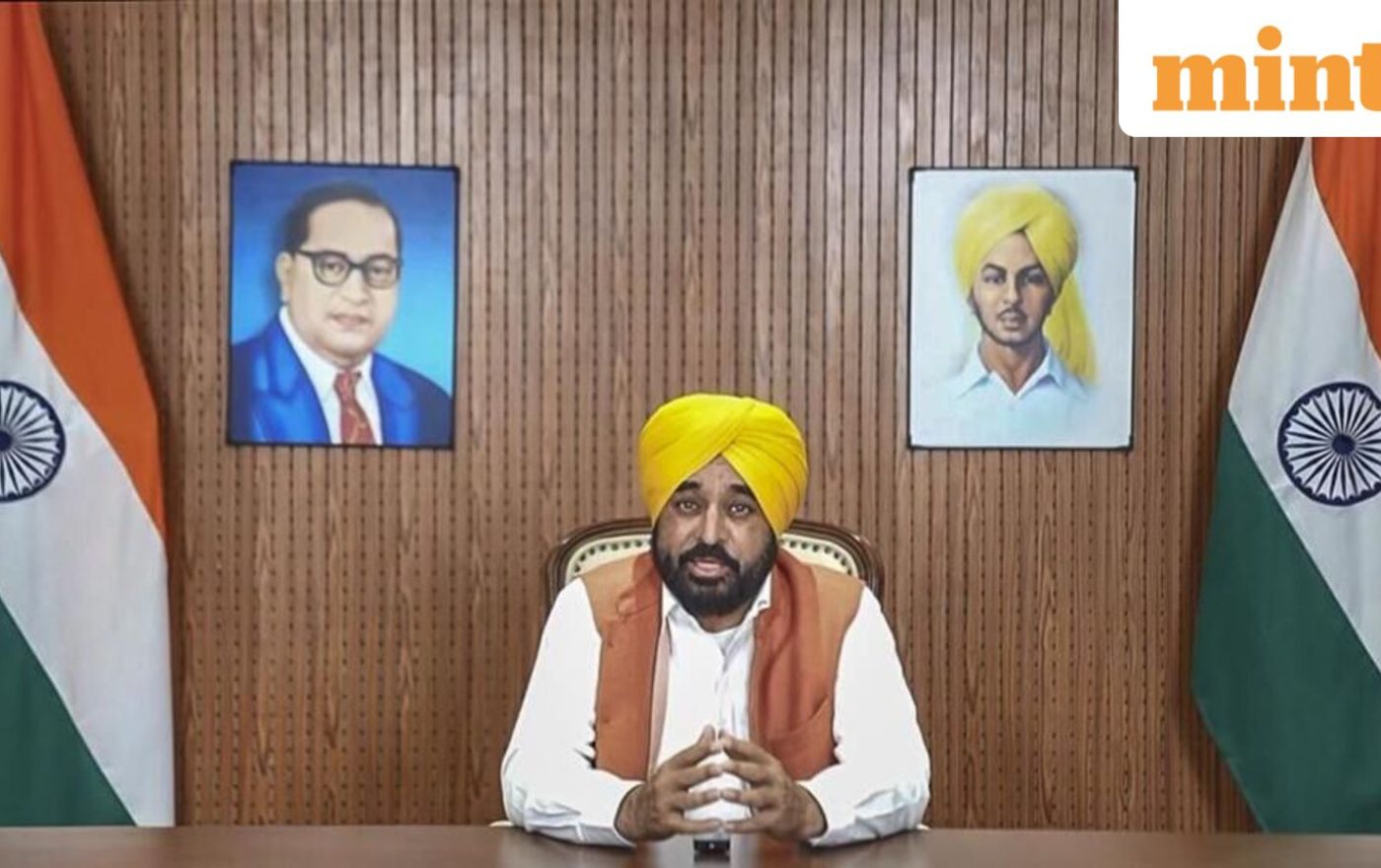
On Tuesday, Bhagwant Mann addressed the controversy in a video message on X, firmly denying the allegations. He stated, “Not me,” and insisted that the individual in the footage is not himself. Mann criticized the Akal Takht for relying on “false propaganda” orchestrated by political entities to undermine his leadership. He argued that the video was used to create a narrative that could be detrimental to his party’s electoral prospects. The leader also highlighted the importance of the Sikh community’s trust in his administration, stating that the accusations were an attempt to divide the public. In a separate statement, Mann called for a fair assessment of the video, noting that its content has been misrepresented. He pointed out that the person shown in the footage bears no resemblance to him, suggesting that the video might have been manipulated to frame him. The debate over the video’s authenticity continues, with Mann’s team challenging the Akal Takht’s interpretation and calling for further scrutiny.
“It is surprising that religious leaders are using their influence to spread misinformation at the behest of political interests,” Mann said in the video. This statement has been interpreted as a direct challenge to the Akal Takht’s role in political affairs, with some analysts suggesting it could shift public opinion in favor of the AAP. Meanwhile, the BJP has leveraged the controversy to strengthen its narrative of Mann’s unfitness for office, arguing that his denial is insufficient to counter the evidence presented. The “Not me” defense has become a central theme in the discourse, with both sides using it to reinforce their positions. As the situation evolves, the focus remains on whether the video truly reflects Mann’s beliefs or if it is a tool for political maneuvering.
Historical Context and Sikh Politics
Understanding the full context of the Akal Takht’s allegations requires examining the historical relationship between Sikh religious institutions and political leaders. The Akal Takht has long been a key player in Punjab’s political landscape, often influencing public opinion and holding leaders accountable. Its declaration against Bhagwant Mann is seen as a continuation of this tradition, with some viewing it as a necessary step to protect Sikh traditions. However, critics argue that the Akal Takht’s actions could be politically motivated, given the current electoral climate. The phrase “Not me” resonates with many Sikhs who believe that religious authorities should not be used to attack leaders without clear evidence. This incident has also raised questions about the balance between religious values and modern governance, with debates over whether the Akal Takht is overstepping its role in political matters. The BJP’s campaign against Mann has capitalized on these tensions, framing the video as a definitive proof of his anti-Sikh stance.
Implications for Punjab’s Political Future
The controversy has significant implications for Punjab’s upcoming political landscape, where the AAP is vying for continued dominance. The Akal Takht’s endorsement of the video adds weight to the BJP’s critique, potentially swaying voters who prioritize religious values. However, the AAP’s response has been to focus on the video’s timing and the Akal Takht’s alleged bias. Mann’s team has emphasized that the “Not me” statement is a testament to the leader’s integrity, urging the public to disregard the accusations. The incident underscores the importance of media and public perception in shaping political outcomes, with both sides using the video to advance their agendas. As the debate intensifies, the focus remains on whether the “Not me” defense will hold or if the Akal Takht’s verdict will become a decisive factor in the Punjab elections. This ongoing discourse highlights the complex interplay between religion, politics, and media in the state’s evolving narrative.