‘In front of Mahadev, everyone is equal’: Woman’s question on VIP darshan sparks debate online
In Front of Mahadev, Everyone is Equal: Woman's Question on VIP Darshan Sparks Online Debate In front of Mahadev everyone is equal - The phrase "In front of
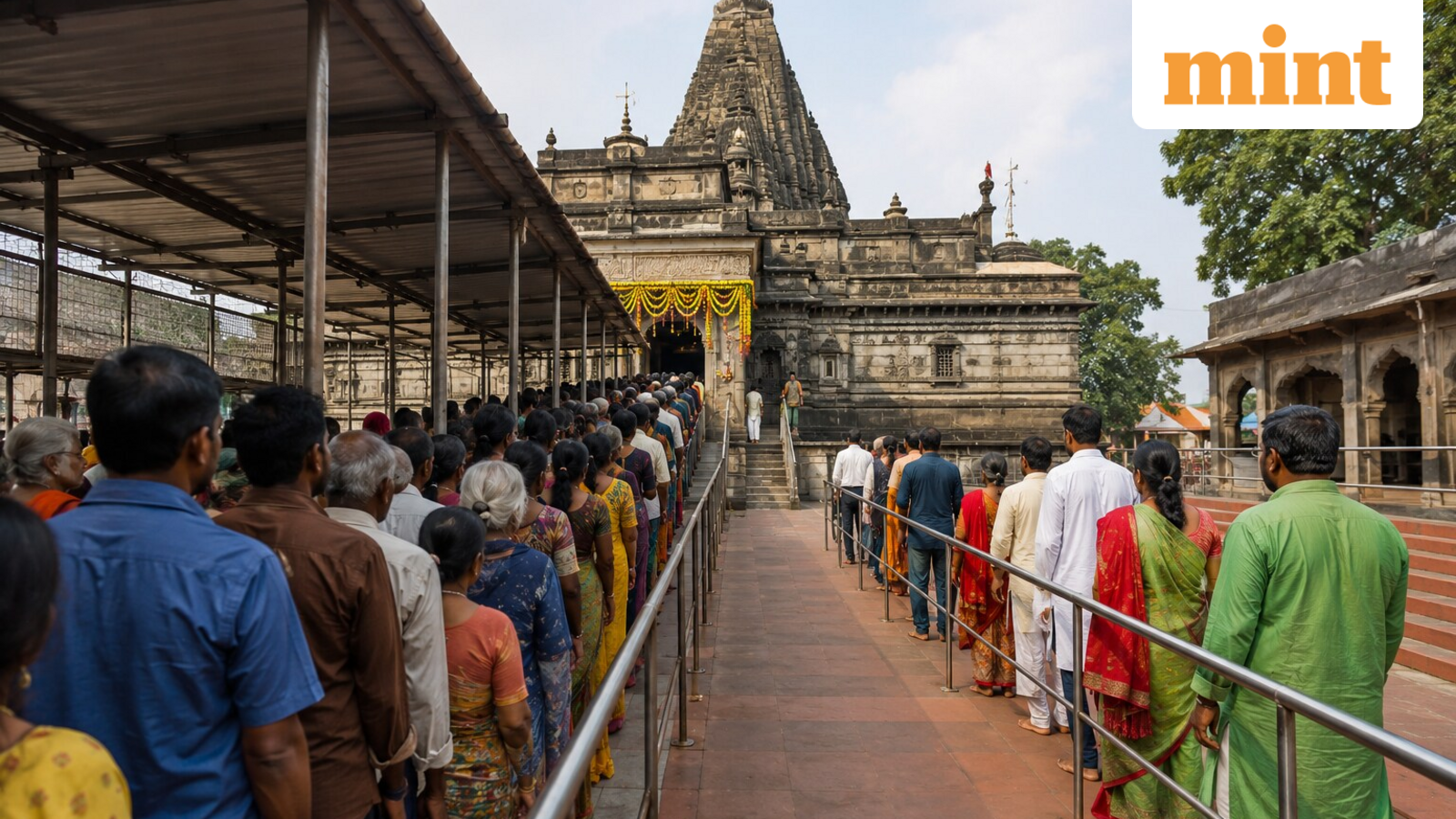
In Front of Mahadev, Everyone is Equal: Woman’s Question on VIP Darshan Sparks Online Debate
Theindiapostdaily.com – The phrase “In front of Mahadev, everyone is equal” has taken center stage in a recent online discussion, fueled by a social media post from Rutu, an X user. Her query about the VIP darshan system at temples has reignited debates on whether religious access should be reserved for those who can pay, or if devotion should transcend monetary barriers. The controversy highlights a growing tension between convenience, tradition, and the egalitarian principles that temples are meant to uphold.
Rise of VIP Darshan Systems in Indian Temples
The practice of offering VIP darshan passes has become increasingly common in India’s bustling temples, particularly in Maharashtra. Rutu’s experience at the Trimbakeshwar temple underscores this trend: her friend, from a Telugu-speaking background, suggested purchasing a ₹200 VIP pass to bypass the general queue. While the system offers efficiency, Rutu questioned its implications, arguing that such distinctions could erode the universal nature of worship. Her post encapsulated the core dilemma—should the act of devotion be equal for all, regardless of financial means?
“In front of Mahadev, everyone is equal. Faith should not have a VIP lane,” Rutu wrote, framing the debate around a fundamental question: does paying for a faster darshan compromise the spiritual equality temples are meant to represent?
Public Divide on Paid Darshan Systems
Supporters of VIP darshan systems often cite practicality, emphasizing that it helps manage crowds in overcrowded temples. One user argued, “Another way to see this process is that we are so eager to see our lords that we can’t wait, and we are ready to give money for it without any attachment to wealth.” This perspective highlights the value placed on convenience and the flexibility it provides for devotees who prioritize time over tradition. However, critics have raised concerns about the commodification of spirituality, suggesting that the system creates a hierarchy where financial status determines proximity to the deity.
Meanwhile, others defend the practice as a necessary adaptation to modern demands. They point out that VIP darshan allows temples to generate funds for maintenance, while also catering to those who may not have the time or energy to wait in long lines. “Your donation is for the time you saved in avoiding the general queue. Hope you can afford that for the temple’s betterment,” one user commented. This argument blends practicality with a sense of shared responsibility, but it does not resolve the debate on whether equality is being sacrificed in the name of efficiency.
Financial and Management Perspectives
The discussion has also extended to how temples are managed and funded. A user noted, “Hindu temples are being run by the government, where several corrupt and egoistic people want to head the management. They have sold temple access to celebrities and banks, with the lowest tier VIP pass being sold to citizens.” This highlights a broader issue: the commercialization of sacred spaces, where access to deities is not just a matter of devotion but also a financial transaction. Such practices raise questions about who benefits most from the VIP system and whether it aligns with the spiritual values of inclusivity and fairness.
Some argue that the fees collected from VIP darshan passes are essential for temple upkeep, especially in regions where devotees travel long distances to visit. Others, however, see it as a growing trend that could marginalize less affluent worshippers. The debate reflects a deeper concern about how temples are evolving in a fast-paced, consumer-driven society. Is the VIP system a convenient solution, or does it signal a shift toward profit-driven spirituality?
Traditional Values vs. Modern Convenience
Temple traditions have long emphasized that all devotees, regardless of social or economic status, are equal in the eyes of the deity. This ideal is now being challenged by the VIP darshan model, which introduces a tiered system where some are prioritized over others. The question remains: does this practice honor the spirit of devotion, or does it create a divide between those who can afford to pay and those who cannot?
As the discourse continues, opinions remain divided. While some view the VIP system as a practical compromise, others insist that temples should offer the same reverence to every devotee. Rutu’s post has sparked a national conversation, with users across different regions and backgrounds weighing in on the issue. The debate is not just about access to Mahadev, but about the broader concept of equality in religious spaces and the role of money in spiritual experiences.
Implications for Religious Equality and Devotion
The debate over VIP darshan extends beyond individual temples, touching on the essence of religious equality. The phrase “In front of Mahadev, everyone is equal” has become a rallying cry for those who believe that devotion should be a universal experience, not a privilege for the wealthy. As temples adapt to modern demands, the question of whether they can maintain their traditional values while meeting practical needs remains unresolved.
For now, the conversation continues, with users sharing their perspectives on social media. Whether the VIP system is seen as a necessary evolution or a threat to spiritual equality, one thing is clear: the idea that all devotees are equal in the presence of the divine is now under scrutiny. As the debate evolves, it may shape the future of religious practices in India, redefining what it means to worship without barriers.