Air India launches ‘Basic’ fare option on domestic routes: No free meals, lower prices for economy passengers
Air India has launched a new 'Basic' fare tier for domestic travelers, marking a
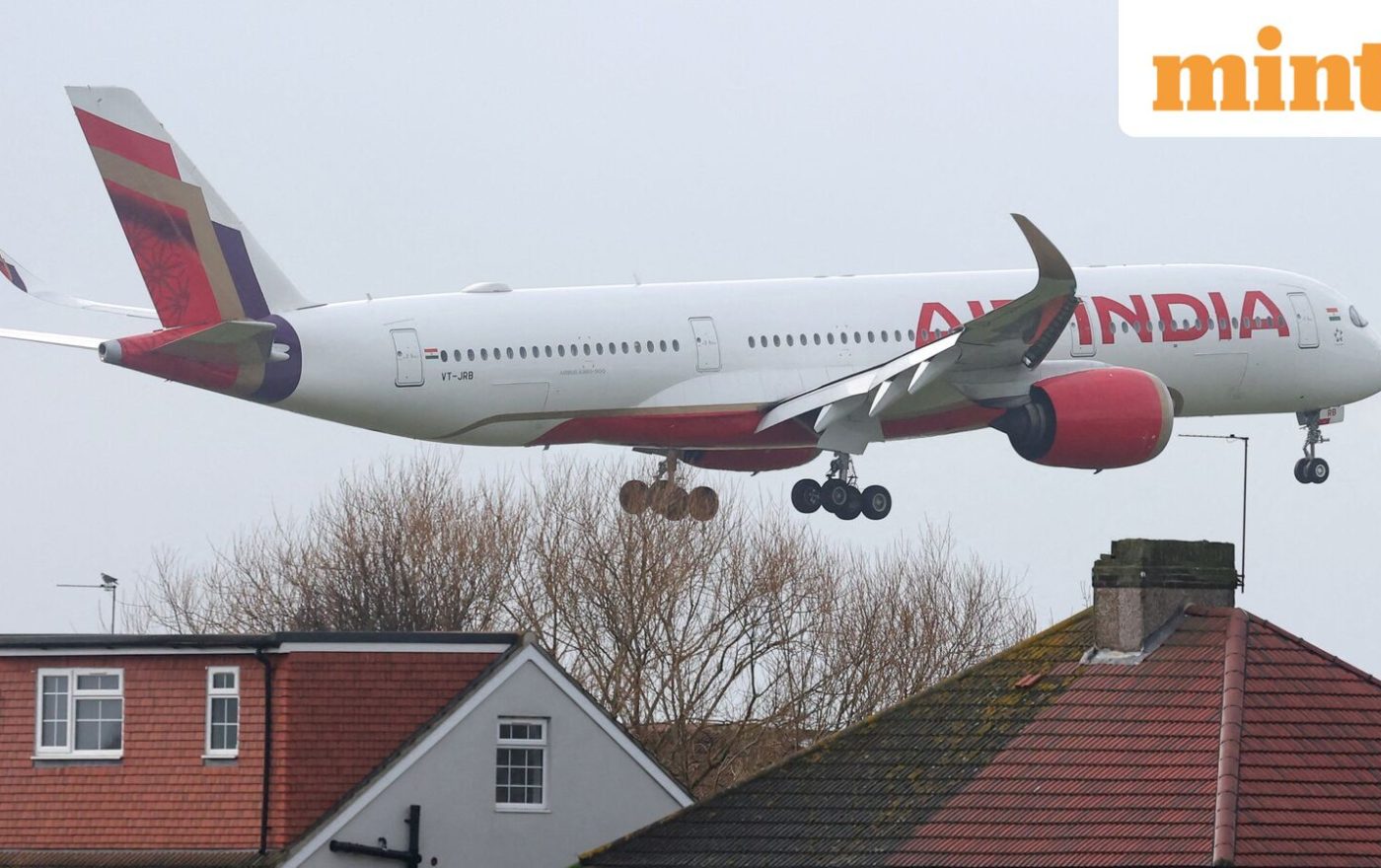
Air India Introduces Basic Fare Option for Domestic Flights
Theindiapostdaily.com – Air India has launched a new ‘Basic’ fare tier for domestic travelers, marking a significant shift in its pricing strategy. This initiative aims to cater to budget-conscious passengers by offering a more flexible, unbundled model where core services are priced separately. The airline’s move aligns with evolving customer preferences and market demands, as travelers increasingly seek control over their expenses. By introducing this tier, Air India expands its fare options to include a fourth category, emphasizing affordability without compromising on essential travel necessities.
Key Features of the Basic Fare and Cost Breakdown
The Basic fare provides a streamlined experience with minimal in-flight amenities. Passengers can expect standard baggage allowances—15 kg for checked luggage and 7 kg for carry-ons—which remain consistent with existing domestic guidelines. However, the free meal, a traditional perk in Economy Class, is no longer included, replaced by an optional meal service available for purchase. This approach mirrors the pricing models of global carriers like Lufthansa and British Airways, where meal costs are separated from base fares. The lower ticket price for this tier is designed to appeal to frequent flyers and casual travelers who prioritize cost efficiency.
While the Basic fare excludes meals, it retains essential services such as complimentary beverages and access to the aircraft. This ensures that passengers still enjoy a comfortable travel experience without unnecessary expenses. The airline has also clarified that this fare option is part of a broader effort to simplify its pricing structure and offer greater transparency. By unbundling services, Air India allows customers to customize their travel packages based on individual needs, fostering a more personalized approach to air travel.
Consumer Safeguards and Flexibility in Meal Purchases
Air India has implemented several consumer protections to ensure passengers benefit from the new model. For instance, pre-purchased meals are automatically transferred to alternative flights in case of schedule changes or reassignments. If the meal option is unavailable, passengers receive a full refund, minimizing financial loss. This measure adds reassurance for budget travelers who may not want to pay extra for meals if their plans are disrupted. Additionally, the airline has set a 24-hour window for meal purchases, allowing flexibility after initial bookings are confirmed.
The Basic fare also includes a dedicated customer support system for queries related to meal options and other add-ons. Passengers can easily upgrade to a premium meal or access additional services through the airline’s website, mobile app, or airport counters. This integration of booking tools ensures a seamless experience, even as the fare structure becomes more complex. The trial phase, which focuses on specific domestic routes, will provide insights into how this model performs in practice and its potential for wider adoption.
Market Response and Industry Trends
Industry experts have noted that Air India’s decision reflects a growing trend among airlines to adapt to changing consumer behavior. With rising fuel costs and operational expenses, many carriers are adopting unbundled pricing to remain competitive. The Basic fare option allows passengers to allocate funds to specific services they value most, such as premium seating or extra baggage. This strategy also helps the airline manage costs more effectively, as it can tailor pricing based on demand and route popularity.
Passengers on social media have shared mixed reactions to the new fare. While some appreciate the lower base price, others express concerns about the absence of meals. Air India’s press release highlights the initiative as a response to customer feedback, emphasizing the importance of choice and affordability. The airline plans to monitor passenger sentiment closely during the trial phase before expanding the Basic fare to more routes. This iterative approach ensures that the model remains customer-centric and responsive to market needs.
Strategic Implications for Air India’s Future
The introduction of the Basic fare could have long-term implications for Air India’s profitability and service offerings. By reducing the base fare price, the airline may attract a larger customer base, particularly in underserved routes where demand is lower. However, the success of this model will depend on how well it balances cost savings with customer satisfaction. Air India’s existing fare tiers—Value, Classic, and Flex—remain unaffected, ensuring a clear distinction between options. This tiered structure allows passengers to choose based on their priorities, whether it’s affordability, comfort, or convenience.
As the trial progresses, Air India will likely use data analytics to evaluate performance. The airline aims to refine its pricing strategy, potentially introducing more tiers or adjusting inclusions based on feedback. This initiative also sets the stage for future innovations, such as dynamic pricing or loyalty program integrations. Ultimately, the Basic fare represents a strategic pivot toward modernizing India’s domestic aviation sector, aligning with global best practices while maintaining local relevance.