Norway Crown Princess’s son convicted of rape, sentenced to four years in prison
Norway Crown Princess's Son Convicted of Rape, Sentenced to Four Years in Prison Theindiapostdaily.com – The son of Norway’s Crown Princess Mette-Marit has been convicted of rape and sentenced to…
Norway Crown Princess’s Son Convicted of Rape, Sentenced to Four Years in Prison
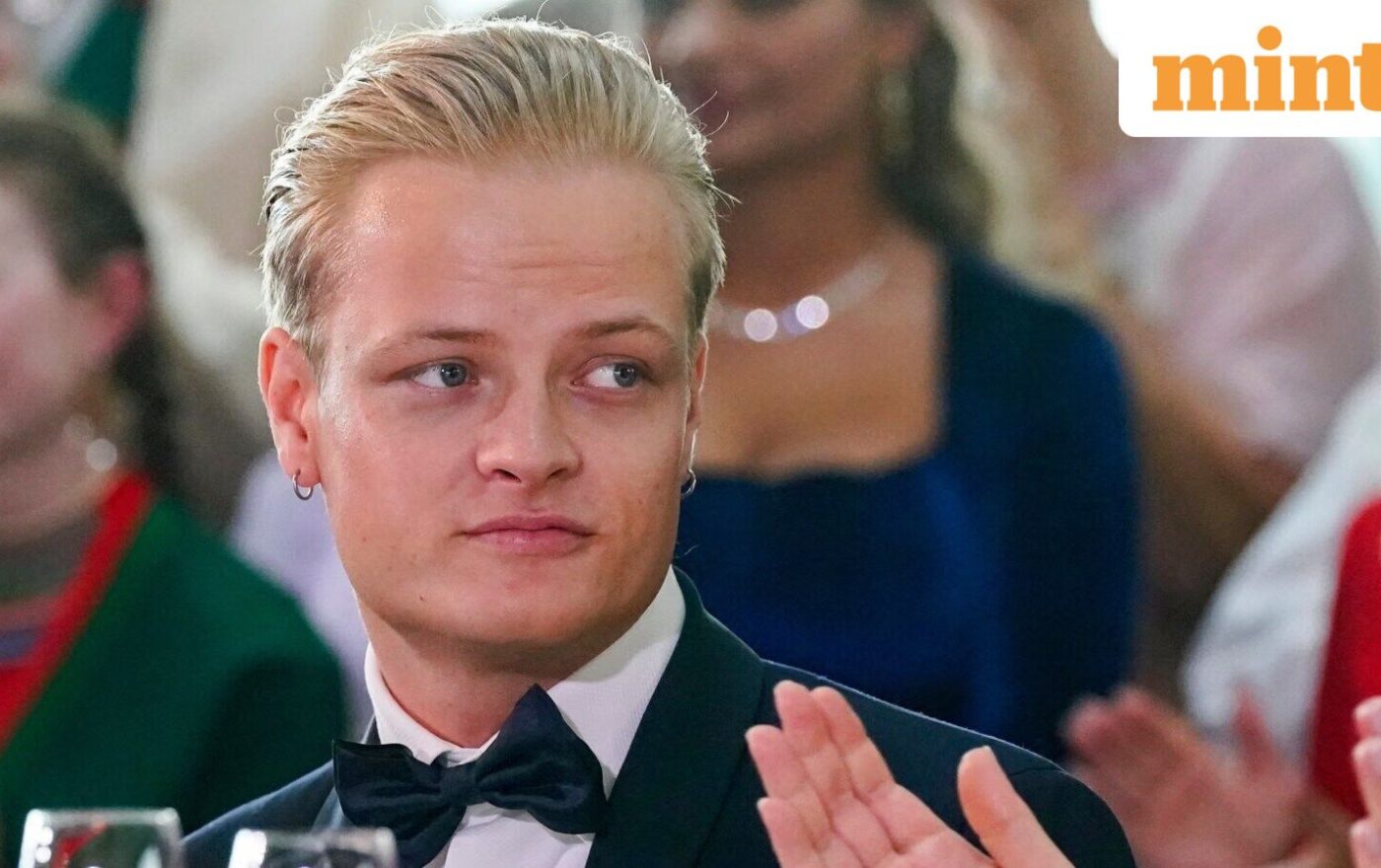
Theindiapostdaily.com – The son of Norway’s Crown Princess Mette-Marit has been convicted of rape and sentenced to four years in prison, marking a significant moment in the nation’s royal family saga. Marius Borg Høiby, the first child of the Crown Princess, was found guilty by an Oslo court after a lengthy legal process. His conviction covers multiple charges, including two rape allegations, one case of relationship abuse, and several other offenses. The verdict has ignited widespread debate, highlighting how the legal system holds public figures accountable regardless of their status. This case has also raised questions about the role of the monarchy in modern Norwegian society, where accountability is increasingly tied to public perception.
Legal Proceedings and Sentencing Details
During the trial, the Oslo District Court evaluated 34 out of 40 charges against Marius Borg Høiby, including two rape counts and instances of domestic violence. The prosecution had initially sought a sentence of seven years and seven months, arguing for stricter penalties given the severity of the offenses. However, the court opted for a four-year term, balancing the gravity of the crimes with Høiby’s personal circumstances. The sentence was announced on Monday, with the court also ordering Høiby to pay compensation to the victims. This decision reflects the Norwegian legal system’s commitment to both justice and proportionality in sentencing.
The trial process revealed a thorough examination of evidence, including electronic communications, video footage, and photographic proof. Testimonies from multiple accusers detailed incidents spanning several years, with some allegations dating back to 2018. Prosecutors emphasized the cumulative nature of the charges, arguing that Høiby’s actions demonstrated a pattern of behavior. His defense team, however, focused on his denial of the rape charges and presented arguments about the context of the incidents. The court’s decision to clear two rape allegations suggests a nuanced evaluation of the evidence, though the remaining charges were deemed sufficient to justify the prison term.
Public Reaction and Societal Implications
The conviction of Marius Borg Høiby has sparked intense public discourse in Norway, with many citizens expressing relief and solidarity with the victims. Social media platforms have amplified the conversation, with hashtags like #NorwayCrownPrincessSonConvicted trending widely. The case has also prompted a reevaluation of how the royal family is perceived in the eyes of the public. While the monarchy has historically symbolized stability and tradition, this trial underscores its vulnerability to scrutiny in an era of heightened awareness about gender-based violence.
Public opinion has been divided, with some criticizing the royal family for not taking a more active role in addressing the allegations. Others have praised the court for upholding justice without bias. The case has brought to light the importance of legal transparency, particularly when high-profile individuals are involved. The Norwegian legal system’s ability to handle such cases impartially has been celebrated as a milestone, reinforcing the idea that no one is above the law. Meanwhile, the royal family’s silence on the matter has been interpreted by some as a sign of respect for the judicial process, while others see it as a lack of engagement with the issue at hand.
Marius Borg Høiby’s status as the son of Norway’s Crown Princess has added a layer of complexity to the case. While he does not hold an official royal title, his association with the monarchy has placed him under public scrutiny. This has led to discussions about the responsibilities of royal family members to uphold ethical standards. The trial has also highlighted the role of media in shaping narratives around such cases, with coverage often emphasizing both the personal and political dimensions of the conviction. As the case unfolds, it continues to serve as a focal point for debates about accountability, public figures, and the evolving role of the monarchy in contemporary Norway.
The four-year sentence, while not final, has already been accepted by Høiby’s legal team. However, they have indicated plans to appeal the decision, arguing that the evidence may have been interpreted differently. The appeal process will likely focus on the weight of the charges and the evidence presented during the trial. This development underscores the importance of legal appeals in ensuring justice, even for high-profile individuals. As the case progresses, it remains a symbol of the legal system’s reach into the lives of those in the public eye, particularly when their actions have significant social consequences.
For the Norwegian monarchy, this case represents both a challenge and an opportunity for growth. The Crown Princess’s son has become a central figure in conversations about integrity, responsibility, and the need for transparency within the royal family. His conviction has not only impacted his personal life but also raised questions about the future of the monarchy’s public image. As Norway continues to navigate the balance between tradition and modern values, this case serves as a reminder that even the most revered institutions must face the scrutiny of justice. The outcome may influence how the monarchy is viewed in the years to come, particularly as it engages with issues of gender equality and accountability.