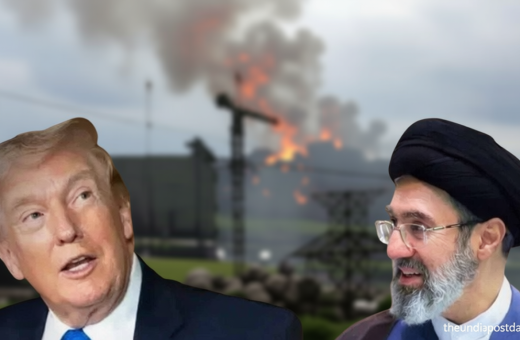
Iran has agreed to never have a nuclear weapon, says Trump, calls report of US paying $300 million ‘fake news’
In a significant diplomatic development, US President Donald Trump claimed that
Iran’s Nuclear Pledge and US Payment Dispute
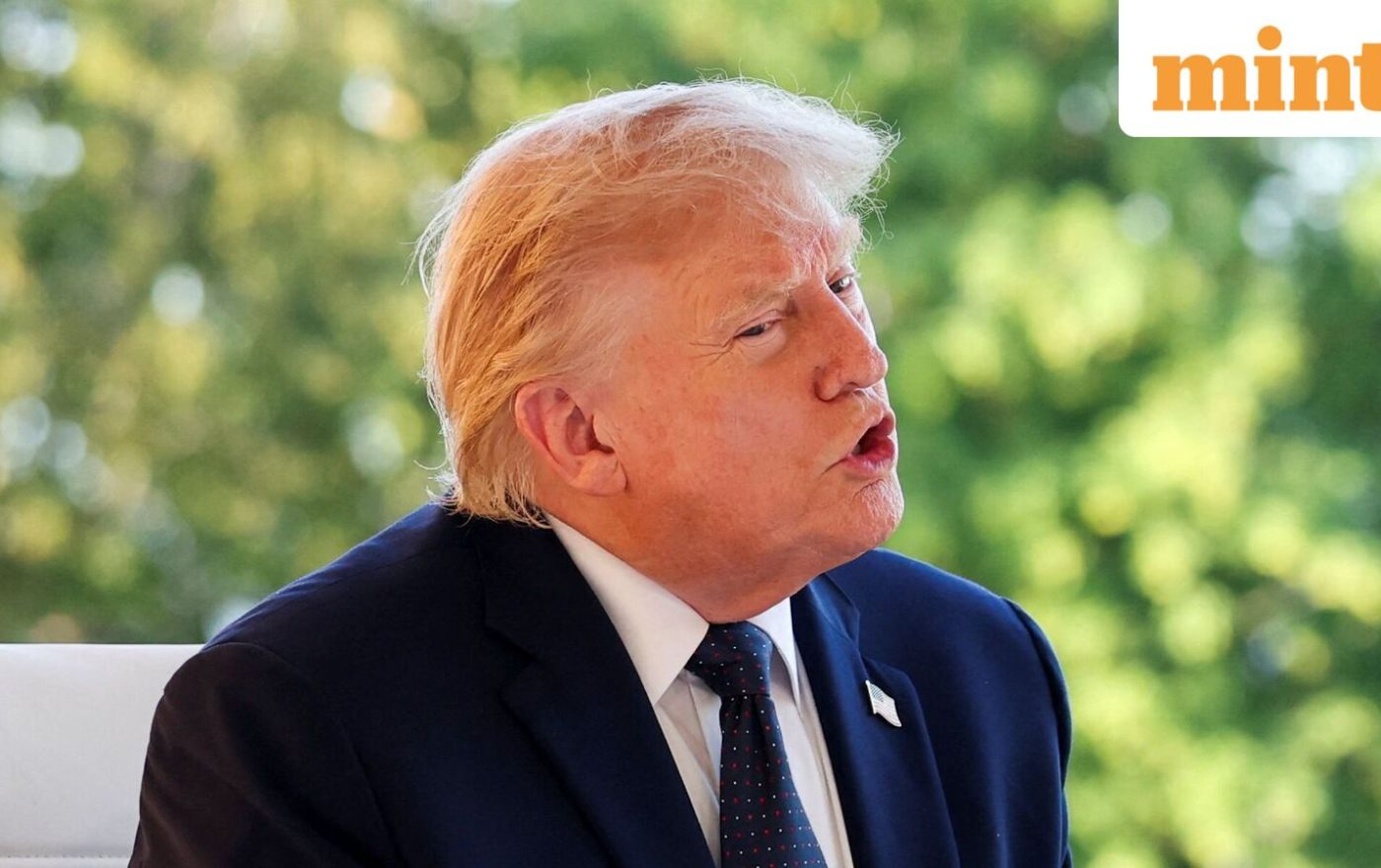
Theindiapostdaily.com – In a significant diplomatic development, US President Donald Trump claimed that Iran has agreed to ‘never have a nuclear weapon’ as part of a historic deal aimed at resolving tensions that have simmered for years. The announcement, made on Truth Social, directly addressed a recent report alleging that the United States had paid Iran $300 million to secure its commitment, which Trump branded as ‘fake news’ and attributed to the so-called ‘Dumocrats.’ This declaration marks a pivotal moment in the ongoing negotiations between Washington and Tehran, with implications for regional security and international relations.
The Nuclear Agreement Details
The agreement, reportedly signed in late February, outlines a comprehensive framework to curb Iran’s nuclear capabilities in exchange for economic relief and sanctions easing. According to Trump, Iran’s pledge to ‘never have a nuclear weapon’ is a cornerstone of the deal, which also includes provisions to extend the ceasefire in the Israel-Iran conflict. The terms were negotiated through a series of high-level meetings, with both sides emphasizing the importance of mutual trust and long-term stability in the Middle East. While the exact mechanisms of the deal remain under scrutiny, Trump highlighted the symbolic weight of Iran’s commitment to nuclear disarmament.
“Iran has agreed to never have a Nuclear Weapon! Also, the story that the U.S. is paying Iran 300 million Dollars is Fake News, put out by the Dumocrats,” Trump stated on Truth Social, underscoring his belief in the deal’s fairness and Iran’s sincerity. The president’s remarks reflect a broader strategy to leverage the agreement as a political tool, reinforcing his administration’s stance on containing Iran’s influence and nuclear ambitions.
US Payment Claims Spark Controversy
The controversy surrounding the $300 million payment stems from conflicting narratives about the financial terms of the agreement. While Trump dismissed the report as ‘fake news,’ some analysts and opposition figures argue that the payment is a critical incentive for Iran’s compliance. The funds, reportedly tied to the Iran nuclear deal (JCPOA), were said to be part of a broader effort to ensure Iran’s adherence to its nuclear commitments. However, Trump’s administration maintained that the deal was based on Iran’s voluntary agreement to ‘never have a nuclear weapon,’ with the payment serving as a reward rather than a bribe.
Documents released by the State Department later clarified that the $300 million was part of a separate agreement to fund Iran’s participation in the ceasefire talks, not directly linked to its nuclear pledge. This distinction, however, has not entirely quelled skepticism, as critics question whether the payment might influence Iran’s strategic decisions in the long term. The deal’s structure remains a point of debate, with some arguing that it provides Iran with a strategic advantage while others see it as a necessary compromise to prevent further escalation.
Global Reactions to the Deal
The announcement of Iran’s nuclear pledge and the US payment dispute has drawn mixed reactions from the international community. Allies of the United States, such as Israel and Saudi Arabia, welcomed the agreement as a step toward reducing Iran’s nuclear threat, though they remain cautious about its long-term effectiveness. Meanwhile, European partners and Iran’s regional rivals expressed concern over the financial aspects, fearing that the deal might embolden Iran’s regional activities.
Iranian officials, in turn, emphasized that their commitment to ‘never have a nuclear weapon’ is conditional on the US lifting economic sanctions and fulfilling its end of the bargain. The nation’s foreign ministry reiterated that the agreement is a win-win scenario, balancing Iran’s security interests with the US’s desire to curb nuclear proliferation. This dynamic has highlighted the delicate interplay between diplomacy and economic leverage in shaping international agreements.
Implications for Regional Security
Experts suggest that Iran’s agreement to ‘never have a nuclear weapon’ could have profound implications for the Middle East. By committing to nuclear disarmament, Iran may reduce the risk of a regional arms race, particularly with Israel and Saudi Arabia. However, the deal’s success hinges on the implementation of its terms and the enforcement of compliance. Trump’s administration has pointed to the agreement as a testament to the power of bilateral negotiations, contrasting it with the multilateral approach of the previous Obama era.
Despite the progress, challenges remain. The involvement of the United Nations and other international bodies in monitoring Iran’s nuclear activities is critical to ensuring accountability. Additionally, the ongoing US-Iran tensions over the $300 million payment have raised questions about the transparency of the deal’s financial components. As the agreement moves forward, its impact on nuclear proliferation and regional stability will be closely watched by global powers and policymakers alike.
Ultimately, the deal represents a complex intersection of diplomacy, economics, and strategic interests. Trump’s assertion that Iran has agreed to ‘never have a nuclear weapon’ aligns with his broader vision of a stronger, more assertive foreign policy. Yet, the controversy over the US payment underscores the need for clear communication and verification mechanisms to build lasting trust between the two nations. With the agreement’s terms still being analyzed, its legacy in shaping Iran’s nuclear future will depend on the balance between political commitments and practical enforcement.