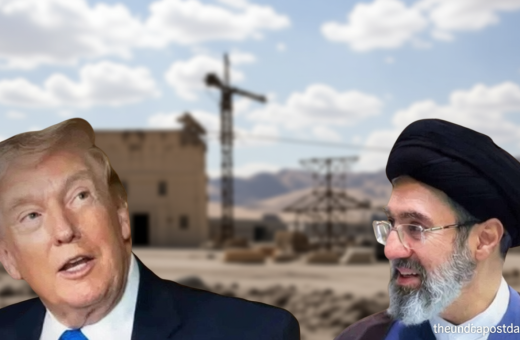
Iran-US peace deal raises hopes of supply chain easing, slow recovery concerns persist
The Iran-US peace deal raises hopes of supply chain easing as the long-standing tensions between the two
Iran-US Peace Deal Raises Hopes of Supply Chain Easing
Theindiapostdaily.com – The Iran-US peace deal raises hopes of supply chain easing as the long-standing tensions between the two nations appear to be on the verge of resolution. After years of diplomatic deadlock and economic sanctions, the agreement has sparked renewed discussions about how this breakthrough could reshape global trade dynamics. Analysts suggest that the deal may lead to smoother operations in industries previously hampered by restrictions, particularly in sectors reliant on Iranian oil exports and manufacturing. However, while the agreement is seen as a positive step, concerns about the pace of recovery and the deal’s long-term impact remain.
The Path to Agreement
After multiple rounds of negotiations, the United States and Iran have reached a critical milestone in their diplomatic relationship. The deal, which outlines terms for easing sanctions and restoring trade, marks a significant shift from the earlier confrontational stance. Key provisions include the lifting of certain economic restrictions, allowing Iran to re-enter global markets with renewed access to vital resources. This development has been welcomed by trade officials and economists, who believe it could help alleviate bottlenecks in international supply chains. However, the agreement is not without its challenges, as both sides must ensure its implementation aligns with their strategic goals.
Global Market Reactions
As the Iran-US peace deal raises hopes of supply chain easing, global markets have responded with cautious optimism. Stock exchanges in major economies, including the US and Europe, saw a modest uptick following the announcement, indicating a belief in improved economic conditions. The agreement is expected to benefit industries such as automotive and technology, where Iranian components had previously been limited. Additionally, the reduced risk of trade disruptions may lead to more stable prices for goods and services, providing relief to consumers and businesses alike. Yet, analysts caution that the full effects of the deal may take time to materialize.
Supply chain experts emphasize that the Iran-US peace deal raises the potential for significant cost reductions and faster logistics. For example, the resumption of oil exports could lower energy prices, which in turn might reduce transportation and manufacturing costs worldwide. This could be particularly impactful for countries dependent on Iranian energy supplies, such as India and China. However, the pace of recovery is still uncertain, as industries need time to adjust to the new trade environment. The deal’s success will also depend on the cooperation of other nations and the stability of regional geopolitics.
Regional Concerns and Challenges
Despite the progress made, the Iran-US peace deal raises questions about the concerns of regional allies, particularly Israel and Gulf states. Israeli officials have expressed reservations, fearing that Iran’s increased economic engagement with the US could lead to a resurgence in its nuclear program or regional influence. They argue that the agreement does not fully address Iran’s military ambitions or its support for militant groups in the region. Similarly, some Gulf nations remain wary, as they have been cautious about relying on Iran for trade due to its geopolitical positioning and historical conflicts.
While the deal is seen as a step toward normalization, it is not a panacea. Experts note that the slow recovery concerns persist because the agreement only partially addresses the root causes of the economic downturn. For instance, while sanctions on Iran have been eased, other factors such as inflation, labor shortages, and global demand fluctuations continue to affect recovery. Additionally, the deal’s timeline for implementation and the terms of compliance will determine its effectiveness in the long run. Governments and businesses are now closely monitoring these aspects to assess the deal’s true impact.
The Road Ahead
As the Iran-US peace deal raises hopes of supply chain easing, the next phase will involve verifying its implementation and measuring its economic effects. The agreement’s success will hinge on the willingness of both parties to uphold their commitments and the broader international community’s response. If the deal leads to sustained improvements in trade and investment, it could set a precedent for resolving other regional disputes. However, the slow recovery concerns persist, and the road to full economic recovery remains complex and multifaceted. Continued dialogue and cooperation will be essential to ensuring that the deal delivers on its promises.