MBA era is over! Why India’s CEA says AI-proof skills and not degrees will shape careers
MBA Era Is Over: India’s CEA Advocates for AI-Proof Skills Over Degrees Theindiapostdaily.com – India’s Chief Economic Adviser (CEA), V. Anantha Nageswaran, has sparked a significant conversation about the future…
MBA Era Is Over: India’s CEA Advocates for AI-Proof Skills Over Degrees
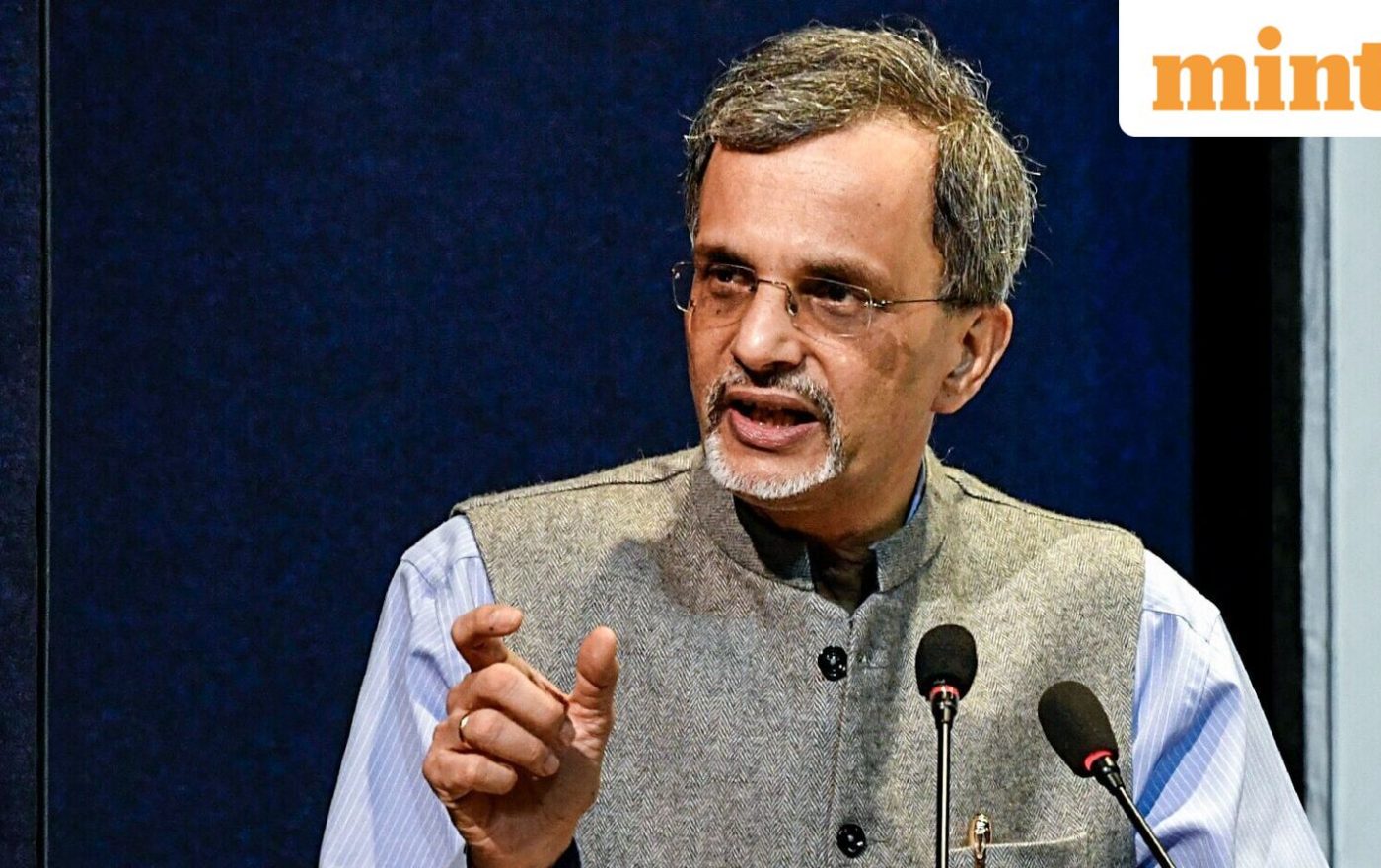
Theindiapostdaily.com – India’s Chief Economic Adviser (CEA), V. Anantha Nageswaran, has sparked a significant conversation about the future of education and employment by declaring the traditional MBA era is over. In a recent interview, he emphasized that the focus should shift from academic degrees to AI-proof skills, which are more likely to shape careers in the 21st century. This call for a new approach highlights the growing importance of practical expertise and adaptability in an increasingly technology-driven world.
Redefining Career Success in the Age of Automation
As artificial intelligence and automation reshape industries, Nageswaran argues that the value of a formal degree, particularly an MBA, is diminishing. He pointed out that the education system has long prioritized standardized qualifications over the diverse skill sets needed to thrive in modern workplaces. This trend, he said, may leave many professionals unprepared for the rapid changes in job markets and technological demands. Instead, he advocates for a focus on skills that are resilient to automation, such as problem-solving, critical thinking, and emotional intelligence.
“The globalising world gave a certain advantage to software, computer science, and MBA education, but that era is over,”
he said during a recent ANI podcast interview. The CEA stressed that the key to long-term career success lies in mastering skills that cannot be easily replicated by machines. This includes roles in healthcare, education, and creative industries, where human intuition and decision-making are paramount. By emphasizing these competencies, India can better equip its youth to navigate a future where adaptability is more valuable than a single degree.
India’s Changing Educational Landscape
Nageswaran critiqued the current educational framework, which he believes is ill-suited to the demands of the future workforce. He highlighted how students often follow a rigid path—graduating from college, pursuing an MBA, and entering the corporate sector—without questioning whether these steps align with evolving career needs. This approach, he argued, overlooks the importance of vocational training and hands-on experience, which are essential for developing skills that remain relevant in an AI-dominated economy.
“You have learned a skill that technology cannot easily replicate,”
he told a young chef who felt disillusioned by career comparisons. The CEA’s insights underscore the need for a more flexible education system that integrates technical training with soft skills. By doing so, India can foster a generation of professionals who are not only knowledgeable but also capable of adapting to new challenges and innovations.
The Health of the Workforce: A Key to Economic Growth
Beyond education, Nageswaran stressed the importance of physical and mental health in ensuring long-term employability. He noted that India’s focus on becoming “old before it becomes rich” has overshadowed the need to address health challenges that could hinder workforce productivity. According to the National Family Health Survey (NFHS), rising obesity rates and sedentary lifestyles are affecting the vitality of the population, which in turn impacts economic growth.
“We must ensure that India is not becoming unhealthy before it becomes prosperous,”
he added. This perspective ties into his broader vision of career development, where health and wellness are as critical as academic achievements. By investing in health infrastructure and promoting active lifestyles, the nation can create a workforce that is both skilled and resilient, capable of meeting the demands of a dynamic job market.
Preparing for the Future: A Call for Diversified Skill Development
Nageswaran’s recommendations extend to policy reforms and institutional changes that support a diversified approach to career preparation. He suggested that the government and private sector collaborate to create programs that blend technical training with soft skills, ensuring that young professionals are equipped to handle both traditional and emerging industries. This includes fostering partnerships between educational institutions and industries to align curricula with real-world needs.
Moreover, he highlighted the potential of fields like healthcare and hospitality, which are less vulnerable to automation. These sectors require personal interaction, empathy, and specialized knowledge, making them vital for India’s economic resilience. By prioritizing these areas, the country can build a workforce that is not only technologically adept but also emotionally and physically equipped to meet the demands of the future.
Conclusion: Embracing a New Era of Career Development
As India moves toward a more AI-centric economy, the CEA’s vision for career development offers a clear roadmap. It calls for a reevaluation of educational priorities, a focus on skills that withstand technological disruption, and a holistic approach that includes health and wellness. By embracing this shift, the nation can position itself as a global leader in creating job opportunities that value human-centric competencies over traditional academic credentials.