Indian LNG carrier exits Strait of Hormuz after 3 months as US-Iran peace deal eases tensions
Indian LNG Carrier Exits Strait of Hormuz After 3-Month Delay Theindiapostdaily.com – After a three-month hiatus, the Indian-flagged liquefied natural gas (LNG) vessel Disha has successfully navigated the Strait of…

Indian LNG Carrier Exits Strait of Hormuz After 3-Month Delay
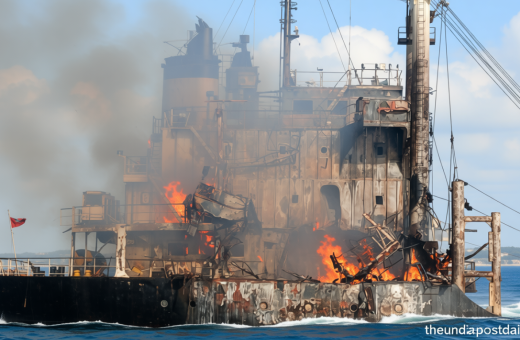
Theindiapostdaily.com – After a three-month hiatus, the Indian-flagged liquefied natural gas (LNG) vessel Disha has successfully navigated the Strait of Hormuz, signaling a positive shift in the region’s geopolitical landscape. This development follows the recent US-Iran peace deal, which has alleviated tensions and allowed the vessel to resume its journey. The carrier, operated by a consortium including the Shipping Corporation of India, is now en route to Gujarat’s Dahej port, with an expected arrival by June 18. The exit of Disha from the strait highlights the growing impact of the diplomatic agreement on maritime operations and regional stability.
Strait of Hormuz: A Strategic Waterway
The Strait of Hormuz, a narrow passage between the Persian Gulf and the Gulf of Oman, has long been a critical chokepoint for global oil trade. Its reopening is seen as a major breakthrough, as it handles roughly 20% of the world’s oil supply, making it a linchpin for energy markets. The Indian LNG carrier Disha’s passage through the strait underscores the importance of maintaining safe and unimpeded transit for energy exports. With tensions easing, the move could pave the way for increased maritime activity, boosting supply chains and reducing risks for international shipping companies.
“The safe transit of Disha through the Strait of Hormuz is a clear indicator of improved conditions for seaborne trade in the region,” said a senior official at the Ministry of Ports, Shipping, and Waterways. “This not only benefits India’s energy needs but also supports global economic recovery by ensuring the smooth flow of critical resources.”
Indian diplomats have been closely monitoring the situation, with the External Affairs Department working alongside shipping firms and embassies to coordinate efforts. The vessel’s delay in the strait had raised concerns about the vulnerability of energy shipments to potential disruptions. Now, with the US-Iran deal in place, the Ministry is optimistic that the Strait will remain open for the foreseeable future, allowing carriers like Disha to resume their regular routes without major interruptions.
Industry Implications and Cautious Optimism
The Indian LNG carrier exits Strait of Hormuz have sparked mixed reactions within the shipping industry. While some firms express cautious optimism, others remain wary of the long-term effects of the peace deal. The Japanese Shipowners’ Association, for instance, emphasized the need for additional data before fully committing to increased traffic through the strait. “The Indian LNG carrier exits Strait of Hormuz are a good sign, but we want more concrete details to ensure safety and reliability,” noted a representative from the association.
Meanwhile, Indian state-owned importers are seizing the opportunity to secure LNG supplies, as the deal removes a major obstacle to energy trade. The vessel Disha, which had loaded its cargo in Qatar’s Ras Laffan terminal in late February, is now a testament to the restored stability in the region. However, challenges persist, as Tehran’s continued control over the strait means it retains the authority to impose new restrictions if tensions resurface.
“The Indian LNG carrier exits Strait of Hormuz are a milestone, but the path to full normalization is still under way. Shippers will closely watch the situation to assess whether the deal will lead to sustained improvements,” added a logistics expert.
As the Indian LNG carrier exits Strait of Hormuz, analysts highlight the broader implications for global energy markets. With the strait’s security improving, oil and LNG prices could stabilize, benefiting economies reliant on Middle Eastern imports. The successful transit of Disha also reinforces India’s strategic interests in maintaining open sea lanes, particularly as it seeks to bolster its energy security and reduce dependence on other sources. This development is expected to encourage more vessels to traverse the strait in the coming weeks, signaling a potential recovery in maritime trade.