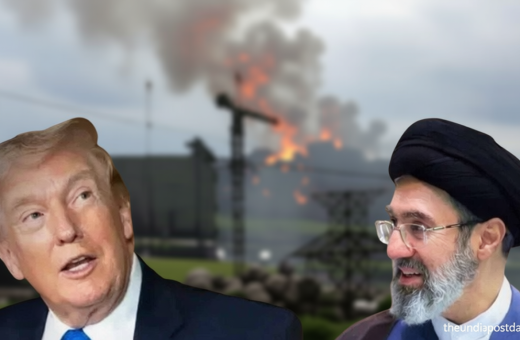
Strait of Hormuz would be ‘permanently toll-free’ under US-Iran peace deal, Trump claims
Strait of Hormuz to Be Permanently Toll-Free in US-Iran Peace Deal Deal Announcement and Immediate Effects Strait of Hormuz would be permanently - US
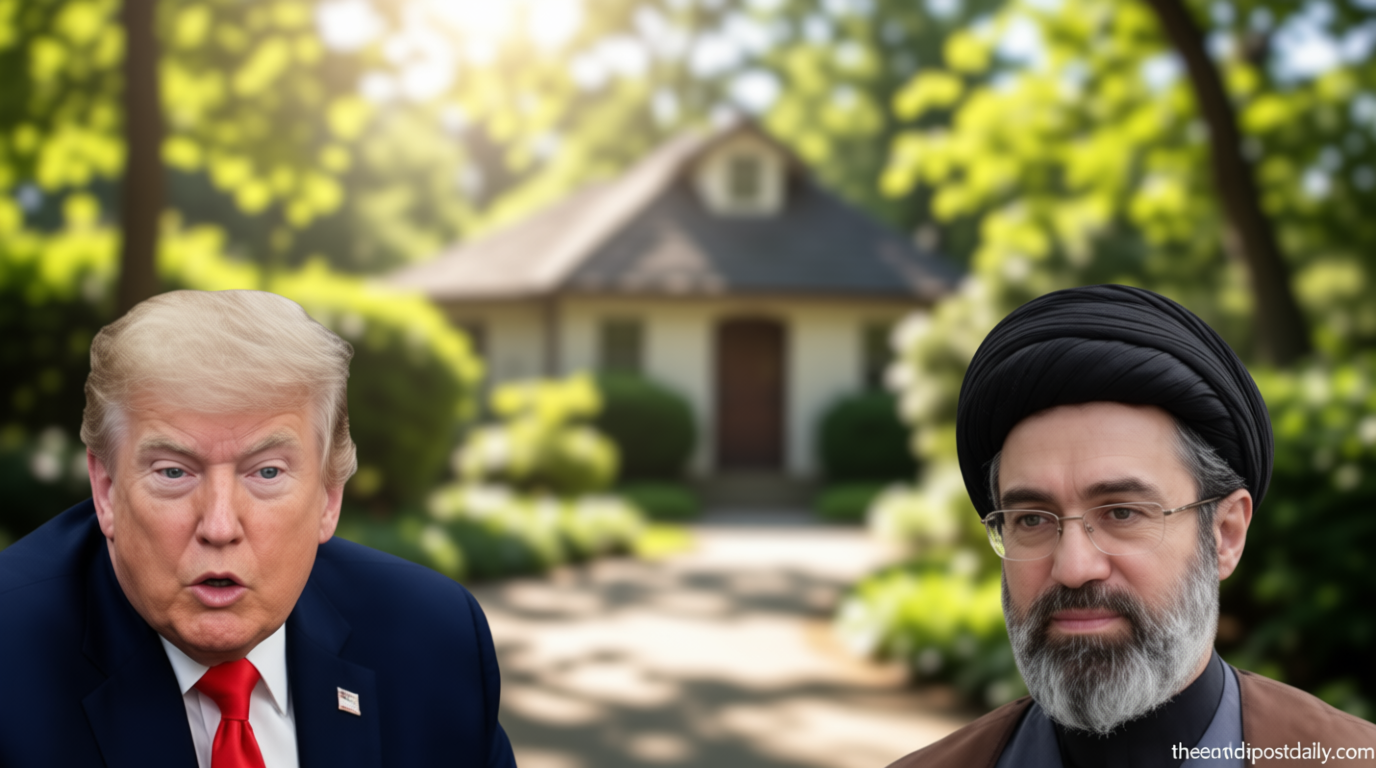
Strait of Hormuz to Be Permanently Toll-Free in US-Iran Peace Deal
Deal Announcement and Immediate Effects
Theindiapostdaily.com – US President Donald Trump announced that the Strait of Hormuz would be permanently toll-free under a new peace deal with Iran, marking a significant shift in regional tensions. The agreement, brokered with Iranian mediators, is scheduled for official signing on Friday in Switzerland. In a social media post, Trump emphasized that the opening of the Strait would restore uninterrupted global oil flow, calling it a ‘Great Deal’ for stability in the Middle East. This declaration aims to reassure international stakeholders of a new era of cooperation between the two nations, with the strategic waterway serving as a cornerstone of the deal.
“The Deal with the Islamic Republic of Iran is now complete. Congratulations to all! I hereby fully authorize the toll-free opening of the Strait of Hormuz, and, simultaneously herewith, authorize the immediate removal of the United States Naval blockade. Ships of the World, start your engines. Let the oil flow!”
Conditional Terms and Strategic Shift
Trump outlined the deal’s conditions, stating that the US would remain committed to the ‘permanently toll-free’ status of the Strait only if Iran adheres to a final nuclear agreement. Should Iran fail to meet these terms, the US would either resume military strikes or assume the role of ‘guardian of the Middle East’ in exchange for 20% of the region’s revenues. This arrangement was framed as a strategic move to secure energy supplies while also safeguarding Israel from potential nuclear threats, despite Prime Minister Benjamin Netanyahu’s vocal opposition to the deal.
The announcement signals a departure from previous US policies, which had imposed economic sanctions and naval blockades on Iran. Trump argued that these measures had already altered the Middle East’s power dynamics in favor of American interests. By opening the Strait, he claimed, the US would ensure the free movement of oil tankers, bolstering global energy markets and reducing the risk of supply disruptions that had plagued the region in recent months.
Strategic Importance of the Strait of Hormuz
The Strait of Hormuz, a narrow waterway between the Arabian Peninsula and the Iranian Plateau, is one of the world’s most critical oil transit routes. Approximately 20% of the world’s seaborne oil passes through this chokepoint, making it a strategic asset for both energy security and geopolitical influence. By ensuring its ‘permanently toll-free’ status, the deal seeks to eliminate Iran’s ability to impose economic pressure on global markets through oil supply restrictions. This would not only stabilize prices but also enhance trade efficiency for countries reliant on Middle Eastern oil.
Historically, the strait has been a flashpoint for conflict, with tensions often rising between Iran and the US over control and access. The new agreement aims to address these concerns by establishing a framework that prioritizes shared economic interests. However, critics argue that the ‘permanently toll-free’ promise may not be fully enforceable without additional safeguards. The deal’s success will depend on Iran’s compliance and the US’s willingness to maintain commitments in the face of political shifts.
Economic Reactions and Concessions
Following Trump’s announcement, oil prices dropped by nearly 4% in early Monday trading, with Brent crude and US West Texas Intermediate (WTI) crude both experiencing sharp declines. Asian stock markets, however, saw a surge as investors interpreted the deal as a positive sign for regional economic recovery. Analysts noted that the ‘permanently toll-free’ status of the Strait would likely reduce the risk of supply chain interruptions, which had been a major concern in the wake of Iran’s recent naval activities.
Matthew Miller, a former spokesperson for the Biden administration, highlighted that Trump’s concessions to Iran were substantial, aimed at reviving the pre-conflict economic status quo. He acknowledged the ‘permanently toll-free’ agreement as a bold move, though warned that it would not guarantee permanent resolution of Iran’s nuclear ambitions. “We have no assurances the nuclear program will ever be addressed, but Iran has shown the world it can take the global economy hostage and get something from the US in return,” Miller stated, underscoring the deal’s complex economic trade-offs.
International Implications and Challenges
The ‘permanently toll-free’ promise has sparked mixed reactions from global powers. While some in the US and Gulf states praised the deal for its potential to ease tensions, others expressed skepticism about its longevity. European allies, including France and Germany, have emphasized the need for verifiable compliance with Iran’s nuclear commitments as a condition for supporting the agreement. Meanwhile, China and Russia, which have long supported Iran, viewed the deal as a step toward reducing US dominance in the region.
One of the key challenges of the agreement is ensuring that Iran maintains its commitments without renegotiating terms. The ‘permanently toll-free’ status of the Strait could be a symbol of this cooperation, but it also requires sustained diplomatic engagement. Analysts warn that the deal’s effectiveness will hinge on regular monitoring and enforcement mechanisms, as well as Iran’s ability to balance its economic needs with political aspirations. The success of the agreement may also influence future negotiations between the US and Iran, setting a precedent for more structured dialogue.
Conclusion and Broader Significance
As the US-Iran peace deal takes shape, the ‘permanently toll-free’ status of the Strait of Hormuz stands as a pivotal element of the agreement. This decision not only reflects Trump’s vision for a more cooperative Middle East but also aims to address pressing economic concerns. However, the long-term viability of the deal will depend on Iran’s adherence to its nuclear commitments and the US’s continued investment in regional stability. For now, the announcement has been met with cautious optimism