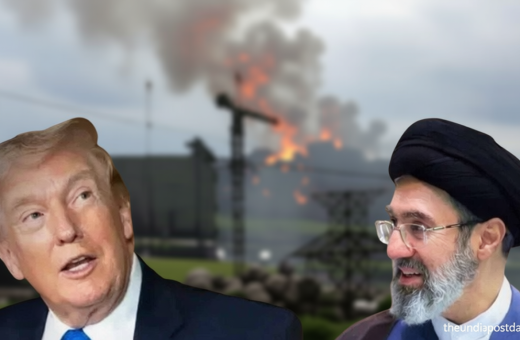
‘Let’s not blow it’: Trump’s stern warning to Israel and Iran as fresh strikes in Lebanon threaten peace deal
Let’s Not Blow It: Trump’s Warning Amid Lebanon Tensions Theindiapostdaily.com – “Let’s not blow it” – U.S. President Donald Trump issued a pointed message to both Israel and Iran on…
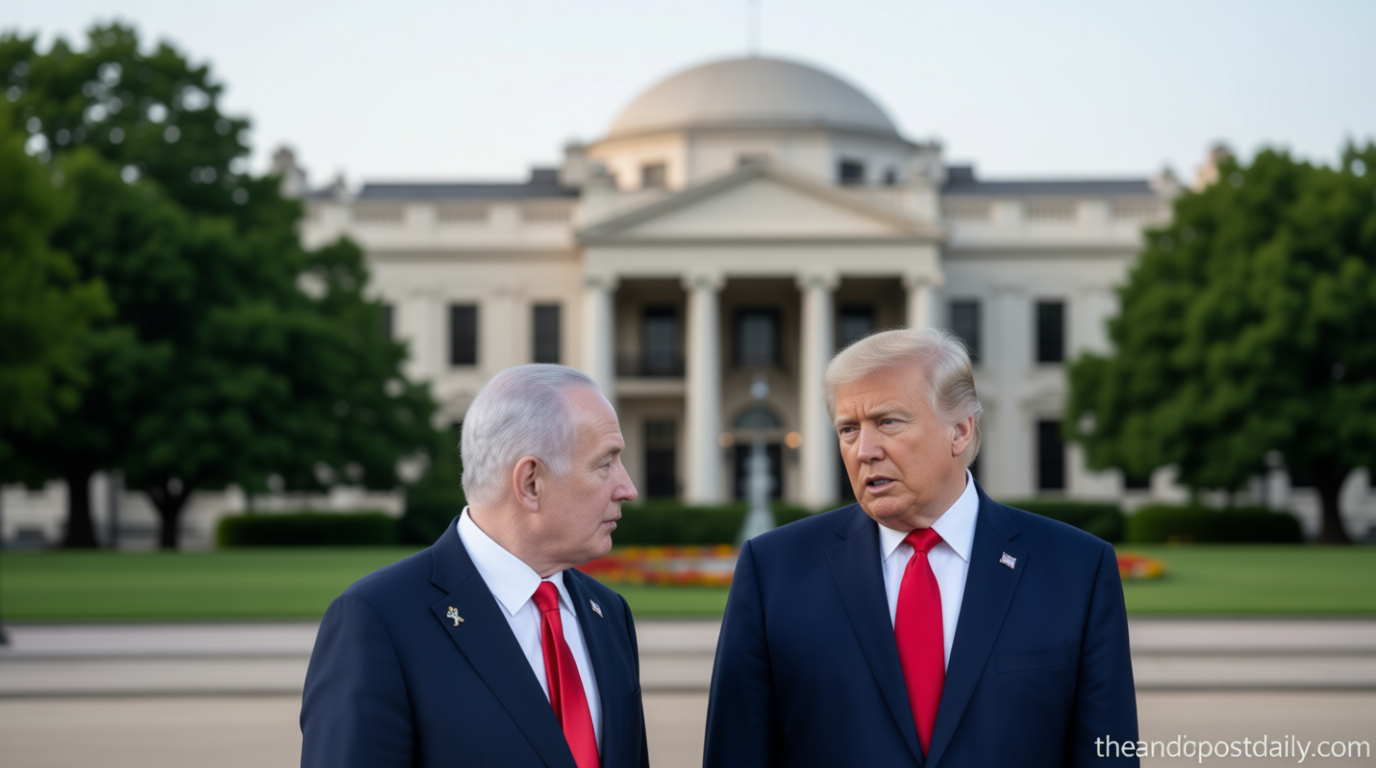
Let’s Not Blow It: Trump’s Warning Amid Lebanon Tensions
Theindiapostdaily.com – “Let’s not blow it” – U.S. President Donald Trump issued a pointed message to both Israel and Iran on Sunday, cautioning them against actions that could derail a critical peace agreement. The warning came in the wake of new Israeli airstrikes targeting Hezbollah positions in Beirut, escalating fears that the fragile diplomatic progress could unravel. In a post on Truth Social, Trump stressed the urgency of preserving the momentum toward the deal, saying, “This morning’s attack on Beirut should not have happened, especially on a pivotal day as we near a Peace Deal with Iran.” His message underscored the potential consequences of miscalculations in the region.
Trump acknowledged Israel’s right to defend itself but argued that the strikes were unnecessary given the low threat level. He noted that the attacks resulted in minimal casualties, with three bodies recovered and six injured. The president called for all parties to “stand down,” emphasizing that the goal of the peace deal was to bring stability. “We are very close to a Deal that will bring peace to the region, including to Lebanon,” he said, repeating the refrain, “Let’s not blow it.” His remarks highlighted the delicate balance between military action and diplomatic resolution.
Lebanon Strikes and Regional Reactions
The Israeli military launched fresh airstrikes on the southern suburbs of Beirut, hitting suspected Hezbollah targets. Smoke and debris filled the air as the attacks were carried out in response to cross-border rocket fire from the group. Civil Defence officials confirmed three fatalities and six injuries, while Iran swiftly condemned the strikes. Parliamentary speaker Mohammad-Bagher Ghalibaf accused the U.S. of failing to support Israel’s position, claiming, “The Zionist regime’s aggression against Beirut once again shows the U.S. lacks the will or ability to fulfill its commitments.” This criticism added pressure on the U.S. to ensure the peace deal remains intact.
Iran’s Foreign Ministry spokesperson, Esmaeil Baghaei, tempered the initial backlash, acknowledging the strikes but suggesting the timing of the peace deal might be delayed. “We will have to wait and see about the exact date,” he said, adding that the process could still proceed in the coming days. Meanwhile, Trump maintained his stance, asserting that the agreement would be signed on Sunday as he had previously stated. His repeated use of the phrase “Let’s not blow it” signaled a determination to avoid any disruptions to the negotiations.
Stakes of the Peace Deal
The proposed U.S.-Iran peace deal carries significant implications for the Middle East. It aims to reduce tensions between the two nations, ease regional conflicts, and create a framework for cooperation. Trump had outlined the deal’s timeline in a series of public statements, including a claim that it would be finalized by Sunday. However, the Israeli strikes in Lebanon have introduced uncertainty, with some analysts suggesting the delay could affect the agreement’s viability. “The timing of these attacks is critical,” said a Middle East expert, “as the deal represents a chance to shift the regional power dynamics.”
Israel’s Prime Minister, Benjamin Netanyahu, defended the airstrikes as necessary to deter Hezbollah’s attacks on northern Israel. His office cited three projectiles fired by the militant group as justification, arguing that the strikes were a proportionate response. Despite Trump’s urging, Netanyahu has shown reluctance to scale back operations, emphasizing Israel’s security concerns. “Let’s not blow it” became a rallying call for Trump, but the Israeli leader’s resistance highlights the challenges in aligning national interests with broader diplomatic goals.
As the peace talks continue, the stakes for both Israel and Iran have never been higher. A successful agreement could pave the way for reduced hostilities and economic collaboration, but failure risks reigniting conflicts that have plagued the region for decades. The strikes in Lebanon serve as a stark reminder of the fragility of the process. “Let’s not blow it” is not just a slogan for Trump but a plea for all parties to prioritize dialogue over division. The outcome of this delicate phase will determine whether the peace deal becomes a cornerstone of stability or a casualty of miscalculation.
Regional allies, including Pakistan, have played a key role in facilitating the talks. Trump had previously collaborated with Pakistani Prime Minister Shehbaz Sharif to outline the deal’s potential, signaling the importance of international partnerships. However, the recent strikes have tested these alliances, with some nations expressing concern over the pace of negotiations. The U.S. faces the challenge of mediating between Israel’s security needs and Iran’s diplomatic ambitions, ensuring the peace deal remains on track. “Let’s not blow it” encapsulates the urgency of this task, as the region watches closely for signs of progress or regression.