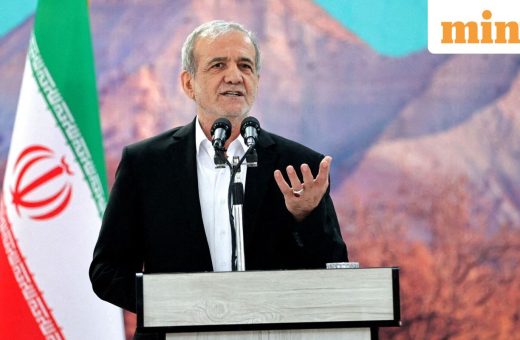
US, Iran to conclude peace talks remotely today? What we know so far — Hormuz reopening on agenda, nuclear issues not
Hormuz Reopening on Agenda, Nuclear Issues Set Aside US Iran to conclude peace talks - The long-awaited peace
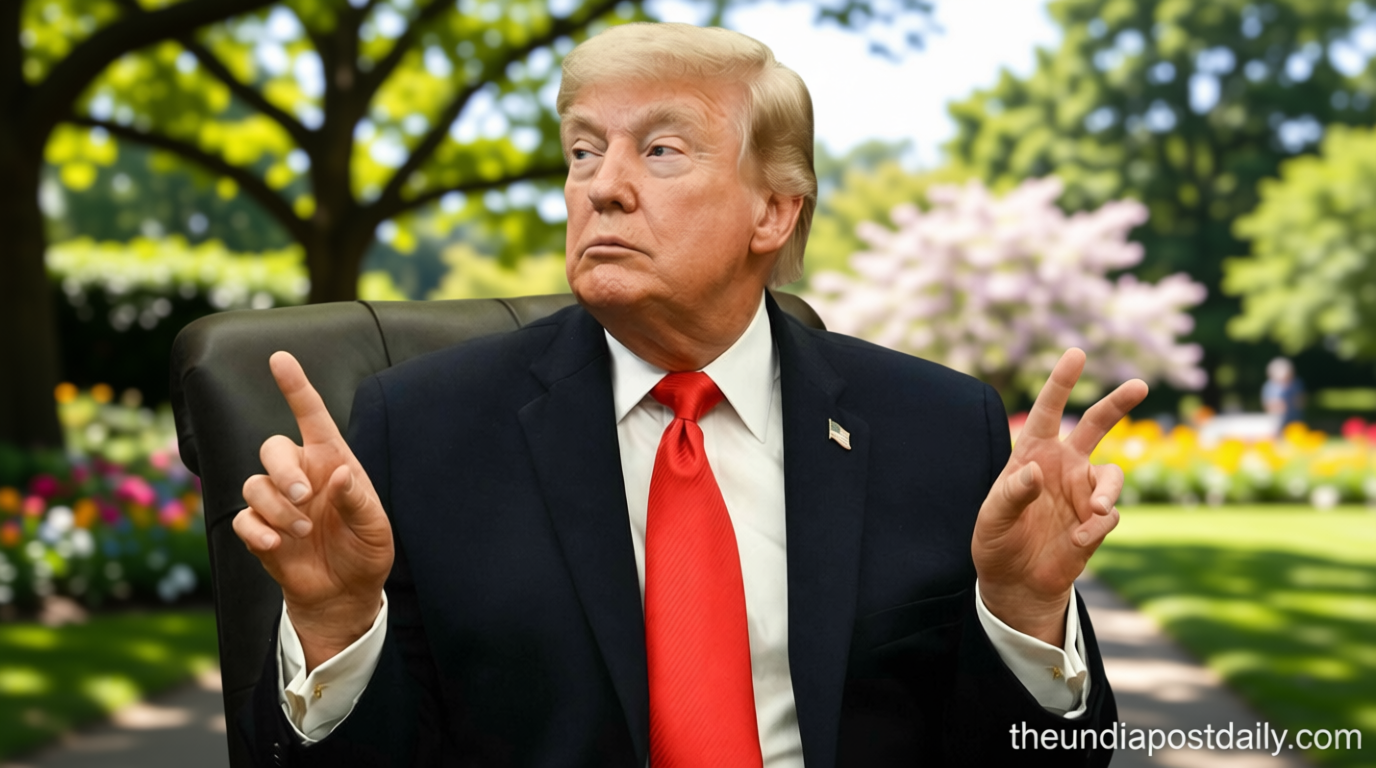
US and Iran Set to Conclude Peace Talks Today — Hormuz Reopening on Agenda, Nuclear Issues Set Aside
Theindiapostdaily.com – The long-awaited peace negotiations between the United States and Iran are expected to reach a critical milestone today, with a virtual signing ceremony anticipated for a memorandum of understanding. This agreement aims to extend the current ceasefire, which has held since April 7, by 60 days and pave the way for the reopening of the Strait of Hormuz. The deal, spearheaded by key mediators like Pakistan and Qatar, marks a significant step toward stabilizing the region and easing tensions that have lingered for over 100 days. While nuclear issues have been sidelined for now, the U.S.-Iran peace talks remain a focal point of international attention.
The Path to Ceasefire
The talks, which have been ongoing for several weeks, have centered on resolving military clashes involving U.S. forces, Israel, and Lebanon. A successful conclusion today would bring an end to hostilities and allow the strategic waterway of Hormuz to resume normal traffic, which is crucial for global oil supply. The agreement, however, is not without its challenges, as both nations navigate complex political dynamics and differing strategic priorities. Despite the ceasefire extension, lingering concerns about Iran’s regional influence and the U.S.’s broader Middle East policies remain.
Diplomatic Efforts and Key Players
Pakistan has played a central role in mediating the U.S.-Iran talks, leveraging its close ties with both countries to facilitate dialogue. Qatar, another key player, has also contributed to the process, emphasizing the need for a durable solution. The virtual signing today is expected to involve U.S. and Iranian officials, with support from regional allies. Notably, Saudi Crown Prince Mohammed Bin Salman was invited to the discussions but could not attend due to scheduling conflicts, highlighting the involvement of Gulf nations in the peace process. The G7 Summit in France, starting on Monday, will further support these efforts as leaders deliberate on demining operations in Hormuz.
President Donald Trump has expressed optimism about the agreement, framing it as a victory for U.S. foreign policy. During the talks, he reiterated his commitment to securing the Strait of Hormuz, a lifeline for global energy markets. While Iran has maintained a cautious stance, its foreign ministry spokesperson, Esmail Baghaei, confirmed that the memorandum of understanding will be finalized soon, though the exact timing is still under discussion. This diplomatic shift underscores the willingness of both sides to prioritize regional stability over immediate geopolitical disputes.
Broader Implications and Regional Stability
The potential agreement could have far-reaching implications beyond the immediate ceasefire. By addressing the immediate threat to Hormuz, the U.S. and Iran may create a window for broader negotiations on issues like Iran’s nuclear program, which has been a central point of contention in past talks. However, for now, the focus remains on de-