Petrol, diesel prices on June 14: Check fuel cost in Chennai, Bengaluru, Delhi, Kolkata, Mumbai and other cities today
As of June 14, petrol and diesel prices in India remained unchanged despite global
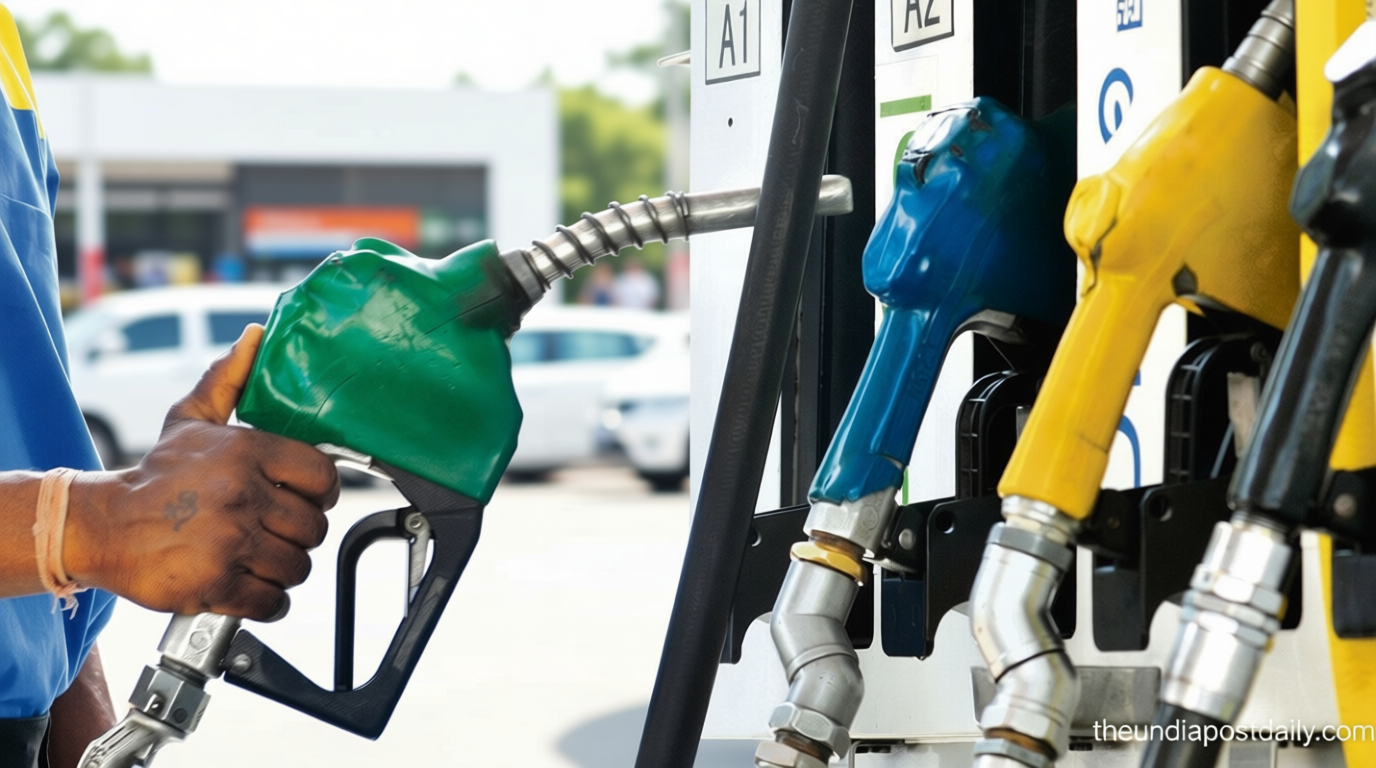
June 14 Fuel Price Update: Stability Amid Global Crises
Theindiapostdaily.com – As of June 14, petrol and diesel prices in India remained unchanged despite global crude oil markets experiencing volatility. The focus keyword petrol diesel prices on June 14 is a critical point of interest for consumers in cities like Chennai, Bengaluru, Delhi, Kolkata, and Mumbai. While international oil costs rose due to ongoing tensions in the Middle East, domestic fuel rates held steady, showing resilience against external pressures. Oil marketing companies (OMCs) typically adjust prices at 6 a.m. daily, but no modifications were made on this day, leaving the prices as of June 13, 2026, unchanged.
Government Measures to Stabilize Fuel Costs
The Indian government implemented measures to stabilize fuel prices, including temporary restrictions on bulk fuel purchases for industrial and commercial users. These users are now limited to buying petrol and high-speed diesel from designated bulk sale points or private consumer pumps, preventing market distortions. The policy, effective from June 1, aims to ensure fair distribution of fuel across sectors and will initially last for 90 days. Such interventions reflect efforts to manage domestic costs amid fluctuating global markets.
Impact of LPG Price Adjustments
Domestic LPG prices saw notable increases, with the 14.2-kg standard cylinder in Delhi climbing to ₹942—a ₹29 rise since June 7. Commercial users faced even steeper hikes, as the 19-kg cylinder price in Delhi rose by ₹42 to ₹3,113.50. These adjustments highlight the broader trend of rising energy costs, which affects both households and businesses. The petrol diesel prices on June 14 remain a focal point for consumers, while LPG price changes add to the overall cost of living in key cities.
“Global oil prices have dipped significantly since early March, nearing the start of the Middle East conflict, as signs of a potential peace deal emerge,” Bloomberg reported. The decline in Brent crude futures, which fell 3.4% to $87.33—the lowest since 5 March—and a 6.2% weekly drop, underscore the market’s reaction to geopolitical shifts. These movements suggest a temporary relief for Indian consumers, even as international markets remain uncertain.
Export Duty Cuts to Support Fuel Exports
To bolster fuel exports, the government reduced export duties for petrol, diesel, and aviation turbine fuel (ATF) starting June 1. Petrol now carries an export duty of ₹1.50 per litre, while diesel and ATF are subject to ₹13.50 and ₹9.50 per litre, respectively. This decision aims to increase competitiveness in international markets and stabilize domestic prices. The adjusted petrol diesel prices on June 14 will likely influence future pricing decisions as the government balances export incentives with consumer affordability.
Regional Fuel Cost Variations
While national prices stayed flat, regional disparities persisted. In Chennai, diesel costs remain at ₹95.20 per litre, whereas Bengaluru recorded a slightly higher rate of ₹96.80. Delhi’s petrol price, unchanged at ₹99.80, is among the lowest in the country, while Kolkata and Mumbai continue to reflect the national average. These variations, though minor, highlight how local factors—such as distribution networks and demand fluctuations—can impact the petrol diesel prices on June 14 across different cities.
Economic Implications and Consumer Response
The stability of petrol diesel prices on June 14 has provided some respite for everyday commuters and transport operators. However, the recent hikes in LPG costs and the ongoing adjustments in export duties signal a broader economic narrative. Consumers are closely monitoring fuel costs, particularly in urban centers where transportation is a major expense. Analysts suggest that the government’s interventions may be a temporary measure, with long-term trends still dependent on global oil market dynamics and domestic policy decisions.