Signing of Islamabad memorandum will not take place on Sunday, says Iran after Pak PM’s ‘peace deal in 24 hours’ comment
Iran Clarifies Islamabad Memorandum Signing Not on Sunday Amid PM's 24-Hour Peace Deal Claim Pakistan's Peace Deal Timeline Theindiapostdaily.com – Iran has clarified that the signing of the Islamabad memorandum…
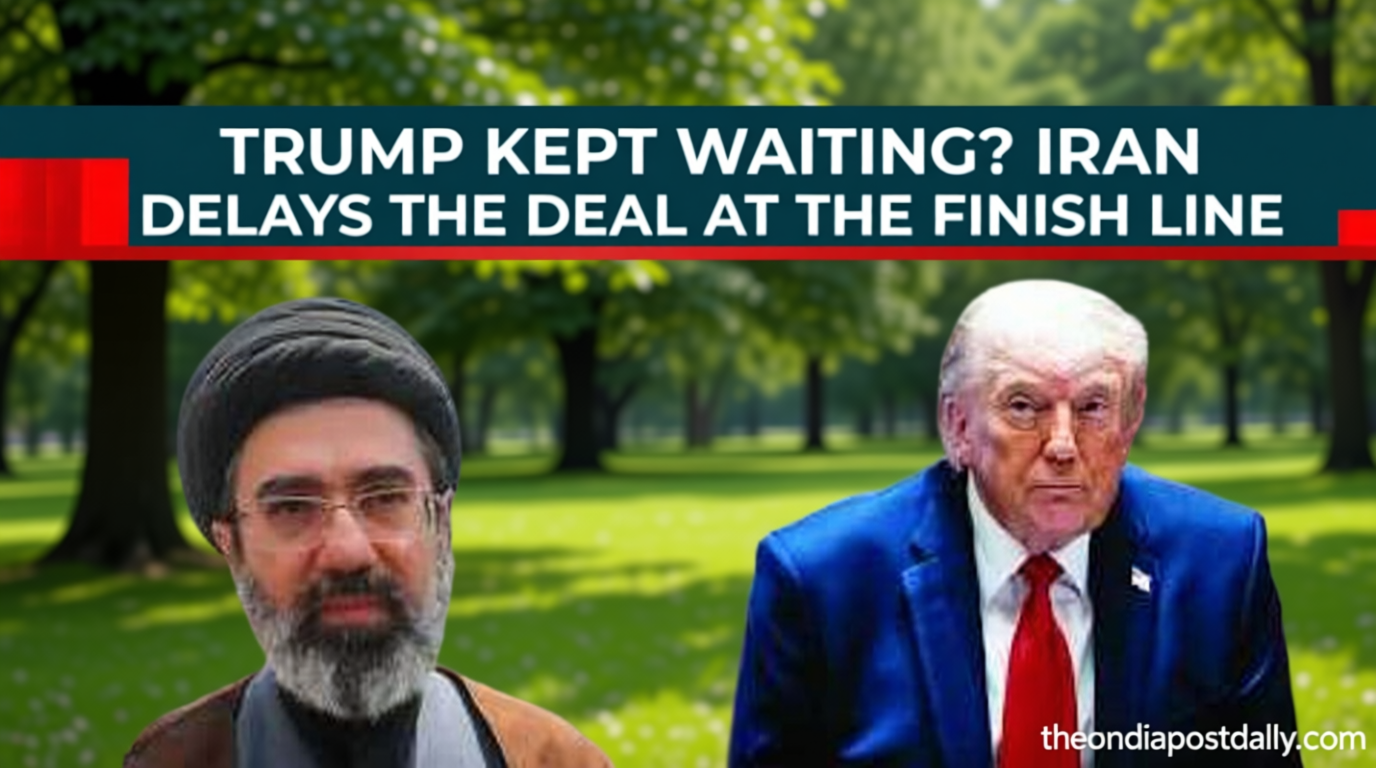
Iran Clarifies Islamabad Memorandum Signing Not on Sunday Amid PM’s 24-Hour Peace Deal Claim
Pakistan’s Peace Deal Timeline
Theindiapostdaily.com – Iran has clarified that the signing of the Islamabad memorandum will not occur on Sunday, countering Pakistan Prime Minister Shehbaz Sharif’s earlier assertion that a peace deal between the U.S. and Iran was likely to be finalized within 24 hours. Sharif had claimed that Pakistan would proceed with the electronic signing of the agreement shortly after, with technical discussions scheduled for the following week. However, Iran’s Foreign Ministry spokesperson, Esmaeil Baghaei, stated that while an agreement remains possible, the exact date of the signing of the Islamabad memorandum will depend on the other party’s readiness and confidence.
“The signing of the Islamabad memorandum will not take place on Sunday,” said Baghaei, addressing concerns raised by state media. “Although progress is being made, there is still hesitation on the part of the other side, which requires us to exercise caution before confirming the timeline.”
PM Sharif’s Confidence in Peace Talks
On Friday, Pakistan Prime Minister Shehbaz Sharif expressed optimism about the peace deal, stating that the signing of the Islamabad memorandum will be finalized soon. In a social media post, he emphasized, “We are closer to a peace deal than ever before. The signing of the Islamabad memorandum will follow shortly, and subsequent technical talks will take place next week.” This statement came after initial negotiations between the U.S. and Iran in Islamabad, where both sides had reportedly reached consensus on the agreement’s framework.
“With the signing of the Islamabad memorandum will likely occur within the next 24 hours,” Sharif added, highlighting Pakistan’s role as a mediator in the ongoing U.S.-Iran talks. “We are committed to ensuring a swift and transparent conclusion to this historic agreement.”
Iran’s Rebuttal and Mediation Context
Iran’s clarification follows Pakistan’s proactive mediation efforts in US-Iran peace talks. The country took on the role of mediator after the U.S. launched a bombing campaign in March, leading to the first direct dialogue between the two nations in Islamabad on April 11 and 12. Despite the progress, Iran stressed that the signing of the Islamabad memorandum will not happen on Sunday, citing the need for final confirmation from both sides. The nation’s officials have been working closely with U.S. and Iranian representatives to align on the agreement’s terms.
“The signing of the Islamabad memorandum will not be confirmed until we are fully assured that both parties are prepared,” Baghaei reiterated, underscoring the importance of clarity in the peace process. “We are committed to transparency, but premature announcements could lead to confusion.”
Key Issues in the Negotiations
The peace deal’s progress hinges on resolving critical issues such as the Strait of Hormuz and Iran’s nuclear program. Tehran has consistently maintained its right to enrich uranium and control the strait, a stance the U.S. has not yet fully accepted. While the agreement’s text has been finalized, the signing of the Islamabad memorandum will still require agreement on these terms. Both sides have expressed cautious optimism, acknowledging the complexity of the negotiations but highlighting the potential for a breakthrough.
“The signing of the Islamabad memorandum will depend on resolving the key disputes over the Strait of Hormuz and nuclear program,” noted Iranian Foreign Minister Araghchi. “We have made significant strides, but finalizing the details requires time and patience.”
Media and Public Perception
The discussion surrounding the signing of the Islamabad memorandum will have been shaped by media narratives and public expectations. While Pakistan’s officials have sought to project confidence, Iran has aimed to temper speculation by emphasizing the need for final verification. The U.S. and Iran have also encouraged media outlets to avoid overhyping the timeline, as the signing of the Islamabad memorandum will remain contingent on bilateral readiness. This approach reflects the delicate balance between public diplomacy and strategic negotiation.
“Until the signing of the Islamabad memorandum will be officially announced, we ask the media to focus on the substantive progress rather than speculative dates,” advised U.S. officials. “This is a critical moment, and clarity is essential.”