After death of 3 Indian sailors, Rubio tells Jaishankar all vessels should comply with US blockade in Strait of Hormuz
After Death of 3 Indian Sailors, Rubio Urges Global Compliance with US Blockade in Hormuz Strait After death of 3 Indian sailors - The recent tragic loss of
After Death of 3 Indian Sailors, Rubio Urges Global Compliance with US Blockade in Hormuz Strait
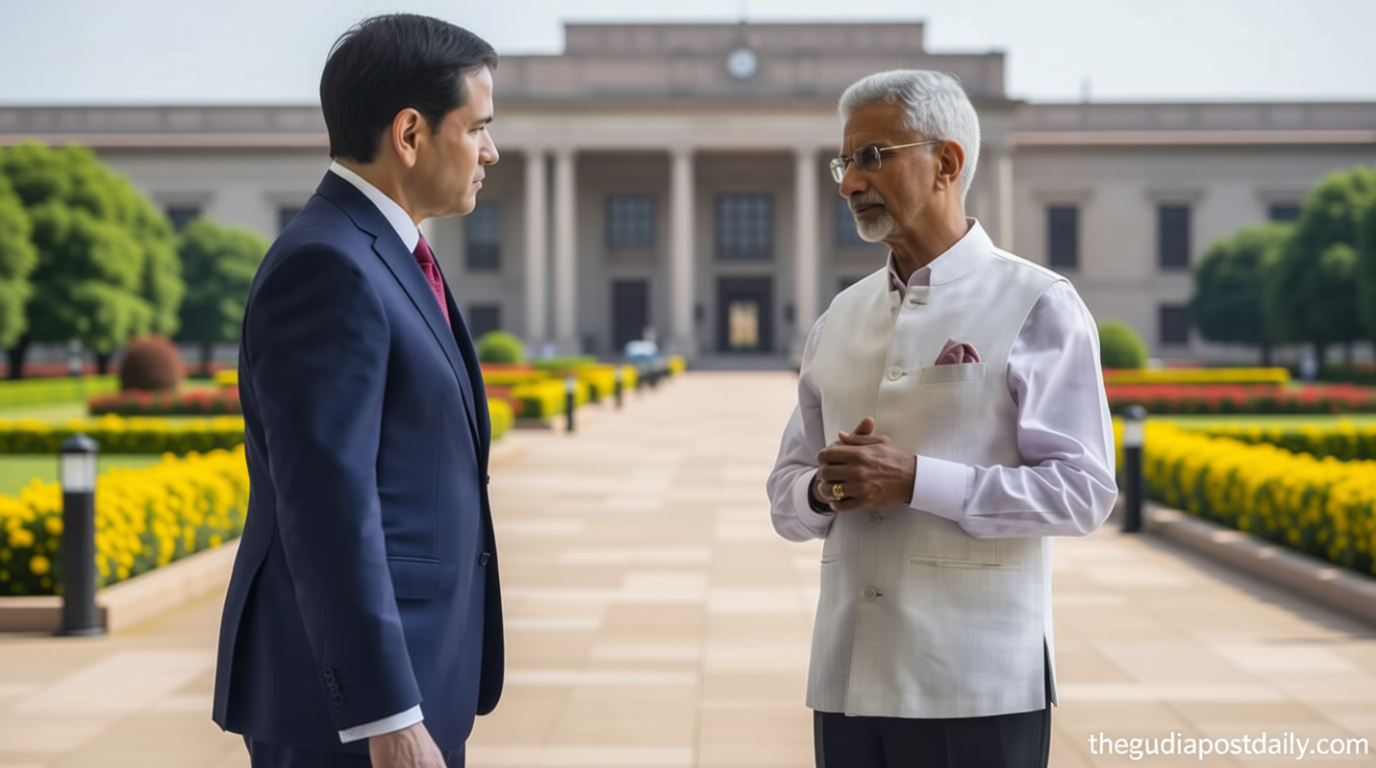
Theindiapostdaily.com – The recent tragic loss of three Indian sailors in the Strait of Hormuz has intensified diplomatic discussions between the United States and India. On Saturday, Tommy Pigott, the Principal Deputy Spokesperson for the U.S. Department of State, confirmed that Secretary of State Marco Rubio emphasized the need for all maritime vessels to comply with U.S. blockade measures in the region. This directive, issued during a meeting with India’s External Affairs Minister, Subrahmanyam Jaishankar, underscores the U.S. commitment to safeguarding international shipping lanes and holding all parties accountable for actions that threaten stability.
Escalating Tensions in the Gulf
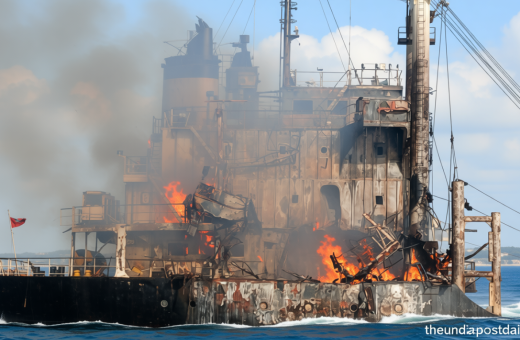
India’s response to the attacks came after a series of incidents that have left the country reeling. The Ministry of External Affairs (MEA) has been actively engaging with the U.S. diplomatic mission, including summoning Jason Meeks, the U.S. Chargé d’Affaires, to voice concerns about the assaults on Indian-flagged vessels. The focus keyword “after death of 3 Indian sailors” resonates strongly in these diplomatic exchanges, as the MEA seeks clarity on the circumstances surrounding the attacks and the role of Iran in the conflict. This has led to renewed calls for coordinated efforts to enforce the U.S. blockade and protect commercial shipping.
“Secretary of State Marco Rubio made it clear that all vessels must promptly comply with U.S. force commands to ensure peace and security in the Strait of Hormuz. Any defiance of these orders or unauthorized transport of Iranian oil will not be tolerated,” stated Pigott during the briefing. The statement highlights the U.S. position that the blockade is a critical tool for deterring aggression and maintaining control over vital waterways.
Iran’s Response and Diplomatic Reactions
In the wake of the attacks, Iran extended its condolences to India, acknowledging the loss of life while emphasizing its commitment to resolving the issue. Esmaeil Baqaei, Iran’s Foreign Ministry spokesperson, expressed sympathy for the families of the slain sailors in a social media post, but the Iranian embassy in India later criticized U.S. President Donald Trump’s accusations, calling them “baseless.” The embassy’s statement on X highlighted the U.S. military’s own attacks on Indian vessels in recent weeks, suggesting a shift in blame to Iran as a strategic move to justify broader geopolitical actions.
The incident has also sparked a debate over the effectiveness of the U.S. blockade in the Strait of Hormuz. While the U.S. asserts that the measures are necessary to counter Iranian threats, some analysts argue that the blockade could inadvertently provoke further hostility. The focus keyword “after death of 3 Indian sailors” has become a central point in these discussions, as both nations seek to balance accountability with cooperation. India’s naval presence in the region, coupled with its economic ties to Iran, adds complexity to the situation.
As the situation unfolds, the U.S. and India are working to align their strategies in the face of rising tensions. The MEA has been advocating for a unified front against aggressors, while the U.S. continues to stress the importance of compliance with its directives. This collaborative approach aims to prevent future incidents and uphold the security of global trade routes, which are crucial for energy exports and international commerce. The focus keyword “after death of 3 Indian sailors” remains a pivotal reference in these diplomatic negotiations.
Meanwhile, the broader implications of the attacks have drawn attention to the strategic significance of the Strait of Hormuz. As one of the world’s most critical maritime passages, the strait sees over 20% of global oil trade. The U.S. military’s role in enforcing the blockade has been scrutinized, with some questioning the balance between security and economic impact. The focus keyword “after death of 3 Indian sailors” serves as a reminder of the human cost of these geopolitical maneuvers, prompting calls for increased transparency and dialogue between the affected nations.