Trooping the Colour: Why the King has 2 birthdays? Prince William, Kate & kids gather for celebrations | See Pictures
King Has Two Birthdays? Prince William, Kate & Kids Gather for Celebrities | See Pictures Trooping the Colour is the annual royal ceremony marking King
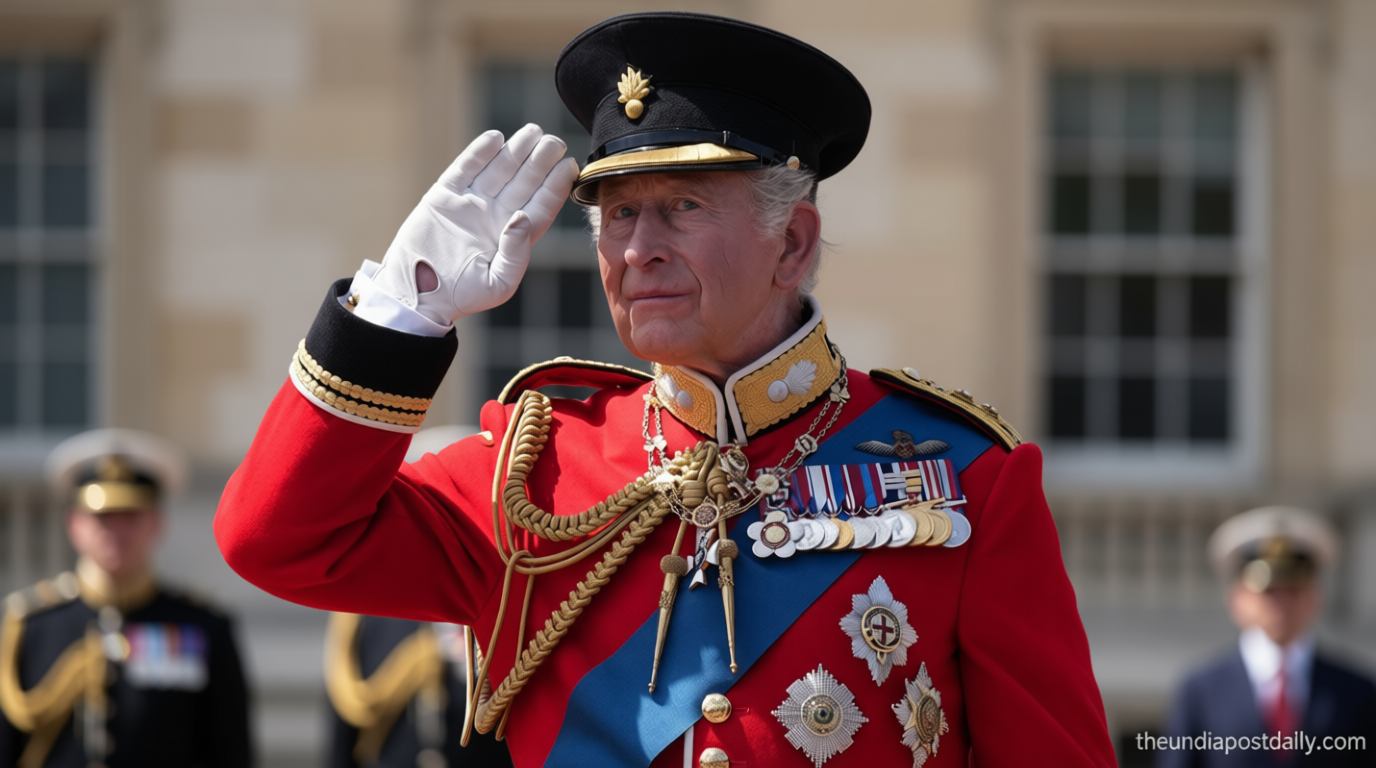
Trooping the Colour: Why the King Has Two Birthdays? Prince William, Kate & Kids Gather for Celebrities | See Pictures
Theindiapostdaily.com – Trooping the Colour is the annual royal ceremony marking King Charles III’s official birthday, held on June 13. This tradition, steeped in history, combines military precision with royal pageantry, drawing thousands to watch the procession of 1,500 troops, 200 horses, and ceremonial displays. The event is not only a celebration of the monarch’s birthdate but also a showcase of the UK’s enduring military heritage, with the royal family playing a central role in the festivities.
The Dual Birthday Tradition
King Charles III, born on November 14, 1948, celebrates two birthdays annually: his actual date of birth and an official one in June. This practice, rooted in tradition, allows the monarchy to host a grand parade during the summer months, ensuring favorable weather and larger crowds. The June date was first adopted by King George II in 1748, who preferred the warmer season for the spectacle, avoiding the harsh winter conditions of November.
While the actual birthday is a private celebration, the June event transforms into a public display of national pride. The King’s official birthday parade is more than a ceremonial event—it symbolizes the monarchy’s connection to the armed forces and its role as a unifying institution. This dual tradition has been maintained for centuries, reflecting the evolving nature of royal celebrations in the UK.
The Meaning of “Trooping the Colour”
“Trooping the Colour is a tradition that dates back to the 17th century,” says the Royal Household. “The name comes from the act of carrying regimental standards—known as ‘colours’—during a military parade.” These flags, once critical for identification on the battlefield, now serve as emblems of pride and unity, paraded with precision and ceremony.
During the event, soldiers march in synchronized formations, displaying the colors of their regiments as a visual tribute to their units. The ceremony includes a formal salute, an inspection of the troops, and a grand march past, culminating in a flyover by the Royal Air Force. This blend of military drill and royal celebration highlights the deep historical ties between the monarchy and the armed forces.
A Historic First for the King’s Company
This year marks a significant moment for the King’s Company, 1st Battalion Grenadier Guards, as they lead the color for the first time in nearly a century. Historically, this unit has supported the Queen’s birthday parades, but their return to the spotlight underscores the changing dynamics of royal traditions. The last time they performed for a reigning monarch was during King Edward VIII’s brief reign, a nod to the historical continuity of the ceremony.
The Grenadier Guards’ role in the parade is a testament to their long-standing association with the monarchy. Their presence adds a layer of historical reverence to the event, bridging the past and present. The King’s decision to commission this unit for the June celebration also highlights his personal connection to the military tradition, further emphasizing the symbolic importance of the day.
The Parade Process: A Step-by-Step Spectacle
The Trooping the Colour ceremony unfolds in a meticulously planned sequence. It begins with the King traveling from Buckingham Palace to Horse Guards Parade via a ceremonial procession. While the royal family traditionally rides on horseback, King Charles has opted for a carriage in recent years, a choice that has sparked discussions about modernizing royal traditions while maintaining their grandeur.
Upon arrival, the event features a formal salute and a detailed inspection of the troops, with the King overseeing the display of military discipline and readiness. The Massed Bands of the Foot Guards perform a synchronized musical procession, leading the color through the ranks. The final march past is a highlight, as soldiers parade before the monarch, culminating in a dramatic flyover by the RAF that paints the sky with vibrant trails of red, white, and blue.
Family Presence and Public Engagement
Prince William, Princess Kate, and their three children—Prince George, Princess Charlotte, and Prince Louis—were among the royal family members present at the event. Their appearance underscores the personal and familial significance of the celebration, which not only honors the monarch but also provides a platform for the royal family to engage with the public. The presence of the children adds a sense of continuity, linking the event to the future of the monarchy.
The ceremony draws massive crowds to The Mall, the iconic route connecting Buckingham Palace to Trafalgar Square. Spectators line the streets to witness the parade, a testament to the enduring popularity of royal traditions. The event also serves as a global spectacle, with media coverage extending beyond the UK, amplifying its cultural impact. For many, Trooping the Colour is more than a celebration—it’s a shared national experience that reinforces the monarchy’s role in British identity.
Legacy and Future of the Tradition
As Trooping the Colour continues into the 21st century, it remains a symbol of the UK’s rich history and royal heritage. The ceremony has evolved over time, incorporating modern elements while preserving its core traditions. From the 1748 origins to the present day, it has adapted to changing times, reflecting both the resilience and relevance of the monarchy.
King Charles III’s participation in the event further cements his place in this legacy. By embracing the tradition, he honors the past while ensuring its place in the future. The event’s blend of history, pageantry, and public engagement ensures it remains a cornerstone of British royal celebrations, drawing global attention and national pride with each passing year.