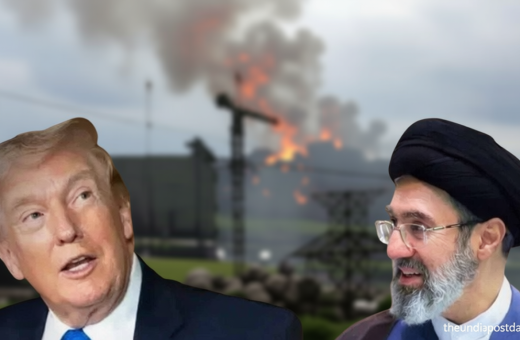
G-7 Summit: Trump, Modi to discuss trade deal, says official, Iran war, Hormuz to be taken with Arab, European leaders
The G7 Summit, taking place in Evian-les-Bains, France, from June 15
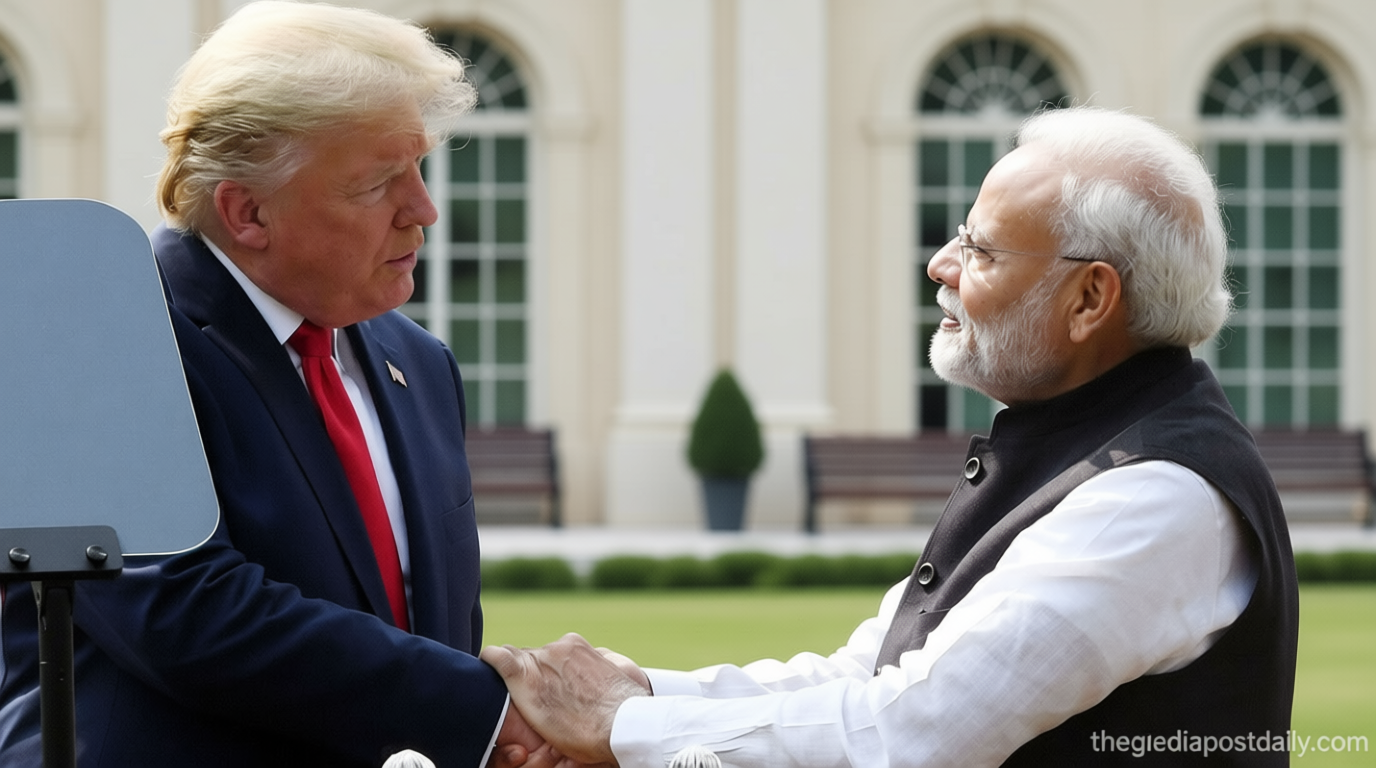
G7 Summit in France: Trump and Modi to Discuss Trade Deals, Hormuz Strategy, and Iran War
Theindiapostdaily.com – The G7 Summit, taking place in Evian-les-Bains, France, from June 15 to 17, has drawn global attention as U.S. President Donald Trump prepares to engage in critical discussions with international leaders. A senior White House official confirmed that Trump will focus on strategic priorities, including the potential for a trade agreement with India and addressing the ongoing tensions in the Iran war. The summit, which brings together leaders from the world’s seven largest advanced economies, will also center on securing the Strait of Hormuz, a vital maritime chokepoint for global energy supplies. With the region’s geopolitical instability threatening oil and gas flows, the G7 Summit is expected to serve as a key platform for coordinating responses to these pressing challenges.
Trump’s Schedule and Strategic Agendas
During the G7 Summit, Trump’s itinerary includes high-level meetings with leaders from the Middle East and Europe, reflecting the administration’s emphasis on strengthening alliances in a fragmented international landscape. The U.S. president will hold bilateral talks with the Emir of Qatar, the President of the United Arab Emirates, and Egypt’s leader, exploring cooperation on regional security and economic stability. Additionally, he will attend a working lunch with G7 members and Middle Eastern representatives to discuss shared concerns, such as supply chain resilience, artificial intelligence, and climate policy. The official noted that the G7 Summit’s agenda is designed to address both immediate crises and long-term strategic goals, ensuring alignment among allies on critical issues.
Strategic Importance of the Strait of Hormuz
The Strait of Hormuz, a narrow waterway through which approximately 20% of the world’s oil supply passes, has become a focal point of the G7 Summit. Britain and France, both G7 members, have expressed willingness to support de-mining operations in the area once hostilities in the Iran war subside. The official emphasized that Iran’s control over the strait has disrupted energy shipments from the Persian Gulf, raising concerns about global market stability. With the potential for further escalation in the region, the G7 Summit aims to develop a coordinated strategy to protect this lifeline, involving partnerships with Arab and European leaders to ensure long-term security and smooth trade operations.
“We think a very good deal is possible. I don’t think we’ll close that deal at the G7,” the official stated, highlighting the need for technical negotiations to finalize trade terms with India. The meeting between Trump and Prime Minister Narendra Modi, scheduled for June 17, will focus on economic collaboration, including reducing trade barriers and enhancing investment in critical sectors. While the G7 Summit provides a framework for broader discussions, the official noted that specific agreements may require further dialogue outside the formal agenda to address India’s growing economic influence and U.S. strategic interests.
Global Challenges and Collaborative Efforts
The G7 Summit is poised to tackle a wide range of global challenges, from supply chain vulnerabilities to the rise of artificial intelligence as a transformative force. With the ongoing Iran war and the strategic importance of the Strait of Hormuz, leaders are expected to coordinate efforts to stabilize the region and mitigate risks to energy security. Middle Eastern nations, including Saudi Arabia and the UAE, are likely to play a central role in these discussions, offering insights on regional dynamics and potential diplomatic pathways. The summit will also address climate change, with a focus on renewable energy investments and reducing carbon footprints, as part of the G7’s commitment to global sustainability.
India’s Role and U.S.-India Economic Ties
India’s participation in the G7 Summit underscores its rising prominence as a global economic power. Prime Minister Narendra Modi’s engagement with Trump will highlight the U.S.-India partnership, which has grown significantly in recent years due to shared interests in trade, technology, and strategic defense. The official confirmed that trade is a central topic, with both leaders aiming to enhance bilateral commerce and explore opportunities for mutual economic growth. While a formal agreement may not emerge during the summit, the discussions are expected to lay the groundwork for future collaboration, particularly in areas like infrastructure development and energy security. The G7 Summit will also serve as a stage to reaffirm the U.S. and India’s commitment to countering China’s economic expansion and maintaining a balanced global trade environment.
As the G7 Summit progresses, its outcomes will shape the future of international cooperation in the face of escalating conflicts and economic uncertainties. The strategic discussions on the Strait of Hormuz, trade deals with India, and the Iran war will not only define the summit’s success but also signal how the G7 intends to address shared challenges. With the global economy increasingly interconnected, the G7 Summit’s ability to foster consensus and drive actionable policies will be crucial. The event represents a pivotal moment for the alliance, offering a chance to strengthen collective leadership and ensure the stability of key energy routes and trade networks. As leaders conclude their meetings, the G7 Summit will be remembered as a critical juncture in shaping the geopolitical and economic landscape of the 21st century.