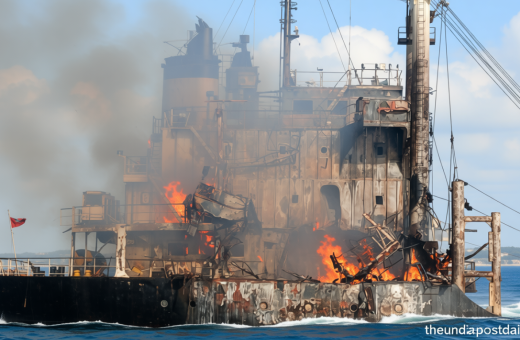
Indian Air Force AN-32 transport aircraft crashes at Jorhat Air Force Station in Assam, five personnel killed
Indian Air Force AN-32 Transport Crash in Assam Claims 5 Lives Air Force Aircraft Accident at Jorhat Base Indian Air Force AN 32 transport - On June 13, 2026
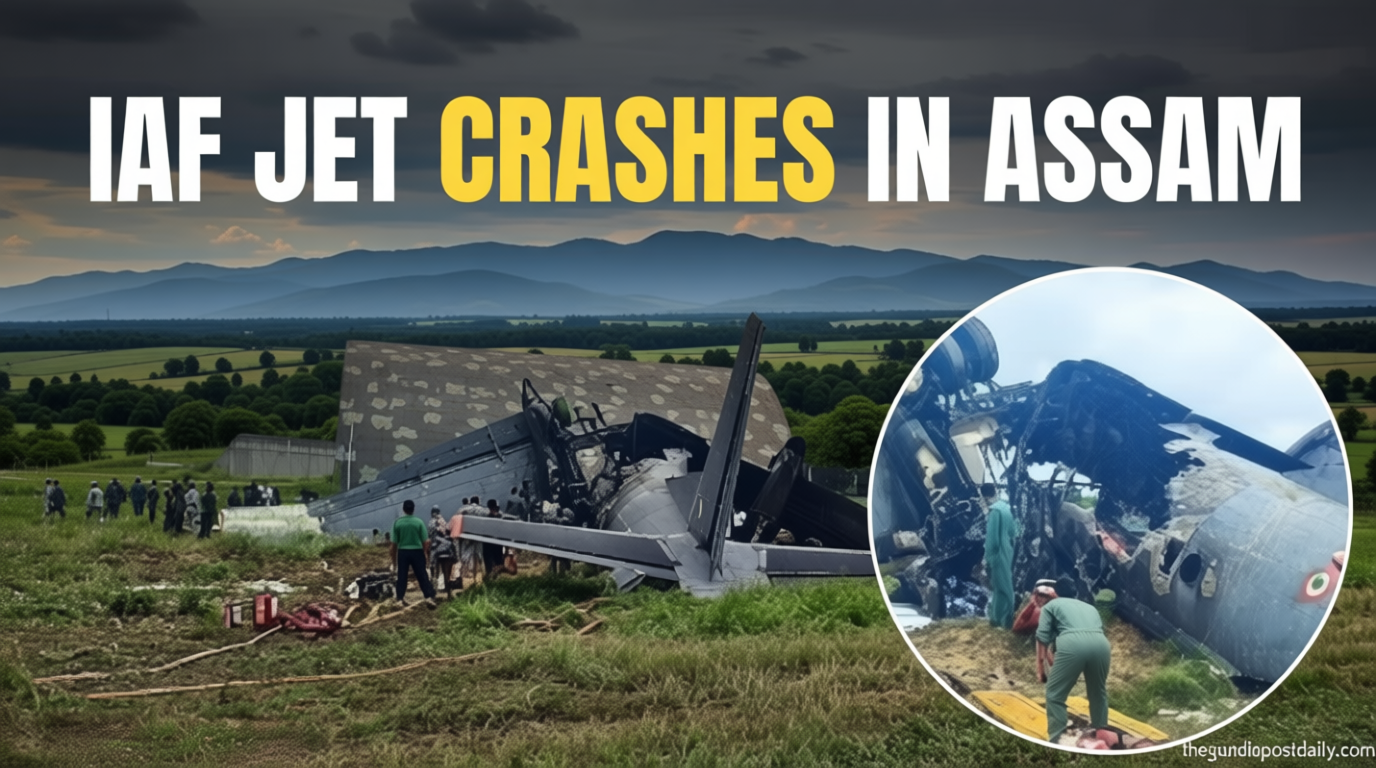
Indian Air Force AN-32 Transport Crash in Assam Claims 5 Lives
Air Force Aircraft Accident at Jorhat Base
Theindiapostdaily.com – On June 13, 2026, a critical incident unfolded at Jorhat Air Base in Assam, India, when an Indian Air Force AN-32 transport aircraft encountered a severe malfunction during its landing. The crash, which occurred in the early hours of the day, resulted in the tragic loss of five lives, including both commissioned and non-commissioned personnel. The accident has raised urgent questions about the safety protocols and maintenance practices of the IAF’s aging fleet of AN-32 transport planes, which have long been a cornerstone of the force’s logistical operations.
“The Indian Air Force (IAF) expressed profound sorrow over the loss of five personnel in the recent AN-32 crash at Jorhat,” said an official statement released by the IAF. The statement also emphasized the immediate steps taken to investigate the incident and support the affected families.
The IAF AN-32 transport aircraft, a twin-engine model introduced in the 1970s, is known for its versatility in operating across challenging terrains. This particular crash has highlighted the need for regular inspections and upgrades, as the plane’s design and operational history suggest it may be more prone to mechanical failures under certain conditions. Officials confirmed that the aircraft was en route to its base when the incident occurred, and its crew was conducting routine maintenance checks before takeoff.
Historical Context of AN-32 Incidents
The crash at Jorhat follows a similar incident in Karbi Anglong district earlier this year, underscoring a pattern of concern within the IAF’s transport fleet. On March 5, a Sukhoi Su-30MKI fighter jet, also based at Jorhat, disappeared from radar after losing communication with ground control. Investigations revealed that the aircraft crashed in a remote, mountainous area approximately 60 kilometers from the base, causing significant damage and triggering a review of safety standards across all IAF operations.
These consecutive accidents have prompted discussions about the reliability of Soviet-era aircraft in India’s modern military aviation landscape. While the AN-32 and Su-30MKI serve different roles, both incidents have sparked a renewed focus on maintenance, pilot training, and the integration of newer technologies into the IAF’s aging inventory. The Ministry of Defence has been actively involved in assessing the situation and coordinating with the IAF to ensure transparency and accountability.
Technical Overview of the Antonov AN-32
The Antonov AN-32, originally developed by the Soviet Union’s Antonov Design Bureau, has been in service with the Indian Air Force since the 1980s. Designed for tactical transport and cargo operations, the aircraft’s high-performance engines and robust airframe have made it suitable for high-temperature environments and high-altitude flights. However, its age and the demands of continuous service have led to calls for modernization or replacement within the IAF.
With a maximum takeoff weight of around 25 tons and a range of approximately 2,000 kilometers, the AN-32 has been instrumental in missions such as troop deployments, humanitarian aid, and disaster relief. Its ability to operate from short, unprepared runways has made it a vital asset for the IAF’s operations in remote and rugged regions of India. Despite its reliability, the recent crash has prompted a detailed examination of the aircraft’s maintenance schedule and technical capabilities.
Investigation and Immediate Aftermath
The IAF has launched a thorough investigation into the crash, focusing on the aircraft’s pre-flight status, pilot actions, and environmental factors at the time of the incident. Preliminary reports indicate that the crash may have been caused by a combination of mechanical failure and adverse weather conditions. A team of experts is currently analyzing the black box data and reviewing maintenance logs to determine the exact cause.
In the aftermath, the IAF has initiated emergency protocols to ensure the safety of all personnel and to provide immediate assistance to the families of the deceased. The force has also announced a temporary suspension of certain AN-32 operations to conduct safety audits and prevent further incidents. This decision has been met with both support and concern from within the military community, highlighting the delicate balance between operational needs and risk mitigation.
Impact on IAF Operations and Public Perception
The AN-32 crash has had a ripple effect on the IAF’s daily operations, particularly in the northeastern region where the aircraft is frequently deployed. With a limited number of newer transport models in service, the IAF faces challenges in maintaining its logistical capacity while addressing safety concerns. The incident has also sparked public discourse on the reliability of military aviation in India, with media outlets and aviation experts calling for a comprehensive review of the force’s maintenance and training programs.
As the investigation continues, the IAF remains committed to transparency, regularly updating the public on findings and corrective measures. The loss of five personnel has been a stark reminder of the risks associated with military aviation, and the force is working closely with the Ministry of Defence to implement additional safeguards. This event is expected to influence future procurement decisions and the modernization of India’s air force infrastructure.
Legacy and Future of the AN-32 Transport
The Antonov AN-32, while an aging aircraft, continues to play a critical role in the IAF’s operations due to its adaptability and endurance in adverse conditions. Its presence in the fleet reflects the strategic importance of maintaining a versatile transport capability, especially in regions with difficult terrain and limited infrastructure. However, the recent crash has accelerated discussions about replacing the AN-32 with more advanced models, such as the Russian-made An-140 or the indigenous C-295 transport aircraft.
With plans to modernize its fleet, the IAF is evaluating the feasibility of integrating newer technologies into existing aircraft. The AN-32’s legacy, however, remains significant, as it has been a reliable workhorse for decades. The crash at Jorhat serves as a poignant reminder of the challenges faced by the IAF in balancing the need for operational readiness with the imperative to ensure safety for its personnel and the public.