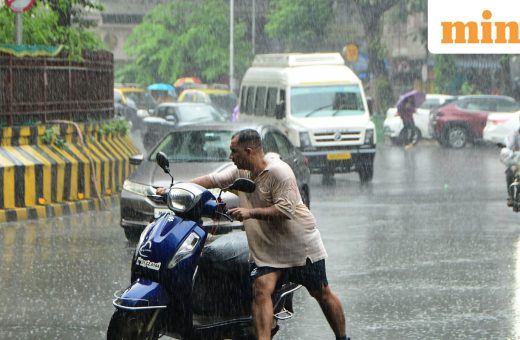
Monsoon Tracker: Delhi, Hyderabad, Kolkata on rainfall alert; El Nino to bring less rains this year? — IMD shares update
Monsoon Tracker: El Niño Threatens Rainfall in Delhi, Hyderabad, Kolkata Theindiapostdaily.com – The Monsoon Tracker update from the India Meteorological Department (IMD) reveals that Delhi, Hyderabad, and Kolkata are currently…

Monsoon Tracker: El Niño Threatens Rainfall in Delhi, Hyderabad, Kolkata
Theindiapostdaily.com – The Monsoon Tracker update from the India Meteorological Department (IMD) reveals that Delhi, Hyderabad, and Kolkata are currently under rainfall alert as the Southwest Monsoon advances across key regions. The monsoon has already impacted parts of West Bengal, Bihar, Odisha, and Jharkhand, with a western disturbance set to bring substantial rainfall to northwest India by June 13. This development is critical for regions experiencing drought-like conditions, as timely precipitation could alleviate water shortages and improve agricultural prospects.
As the Monsoon Tracker indicates, the monsoon is expected to spread further eastward, covering Maharashtra, Chhattisgarh, and Karnataka by June 15. The IMD projects that favorable weather patterns will continue to expand monsoon coverage, but concerns over El Niño are casting a shadow over the season’s overall performance. With the coupled ocean-atmosphere system now in full El Niño mode, meteorologists are closely monitoring its potential to disrupt the usual rainfall distribution across India.
El Niño’s Influence on Monsoon Patterns
El Niño conditions, officially declared on June 12 over the equatorial Pacific Ocean, are poised to intensify during the monsoon season, according to the IMD. These phenomena, characterized by warmer-than-average sea surface temperatures, have historically led to reduced rainfall in parts of India, particularly in the northern and central regions. The Monsoon Tracker highlights that the current El Niño phase could result in below-average precipitation, impacting crop yields and water resources for millions.
“The warming of the Pacific Ocean has already begun to alter atmospheric circulation, and this coupled system is likely to exert significant pressure on the monsoon’s trajectory,” the IMD noted in its recent assessment.
Historical data from past El Niño events, such as those in 2002, 2009, 2015, and 2023, shows a pattern of delayed monsoon onset and weaker rainfall. For example, the 2015-16 El Niño caused a 25% reduction in seasonal rainfall in northern India, leading to severe droughts. The IMD is now warning that similar conditions could emerge this year, emphasizing the need for proactive measures in flood-prone and drought-affected areas.
Heatwave and Weather Variability
While the monsoon brings much-needed rain, the IMD has also reported persistent heatwave conditions in regions like Marathawada, West Rajasthan, and Telangana. These areas may experience elevated temperatures through June 13, with Vidarbha in Maharashtra facing heatwaves that could extend until June 16. The Monsoon Tracker underscores the dual challenge of heatwaves and erratic rainfall, which could complicate the seasonal weather forecast.
Residents in these regions are advised to stay indoors during peak daylight hours, use sunscreen, and ensure adequate hydration to mitigate health risks. The IMD also highlighted that the monsoon’s progress could lead to sudden shifts in weather, with some areas experiencing intense downpours while others remain dry. This variability underscores the importance of the Monsoon Tracker in providing real-time updates to help communities prepare.
Regional Rainfall Alerts and Impacts
The IMD has issued yellow alerts for heavy rainfall in Bihar, Jharkhand, Chhattisgarh, Assam, and Madhya Pradesh, with additional downpours forecasted for Sub-Himalayan West Bengal and Sikkim until June 15. Delhi and Kolkata are among the cities under watch for light to very light rain, accompanied by thunderstorms and gusty winds. Hyderabad and its surrounding areas in Telangana, such as Jayashankar Bhupalpally and Khammam, are also on alert for thundershowers, which could either ease drought conditions or trigger flooding depending on the intensity.
Notably, the Monsoon Tracker suggests that the timing and spread of rainfall could vary significantly. For instance, Odisha and Arunachal Pradesh are expected to see heavy rains through June 14, while Nagaland, Manipur, and Tripura remain under alert until June 13. The department stressed that these localized alerts are essential for managing water distribution and preparing for potential flash floods in urban areas. Farmers and planners are being urged to monitor the Monsoon Tracker closely for optimal crop management and disaster mitigation.
As the monsoon season progresses, the IMD continues to refine its forecasts, balancing the effects of El Niño with the potential for sudden weather changes. The Monsoon Tracker serves as a vital tool for tracking the monsoon’s movement, ensuring that stakeholders across India can respond effectively to both drought and flood scenarios. The coming weeks will be pivotal in determining whether the season will meet its normal rainfall targets or fall short due to the ongoing El Niño influence.