BRICS nations okay India-proposed knowledge-sharing network on urbanization
BRICS Nations Approve India's Proposed Urbanization Knowledge-Sharing Network BRICS nations okay India proposed knowledge - In a significant step toward
BRICS Nations Approve India’s Proposed Urbanization Knowledge-Sharing Network
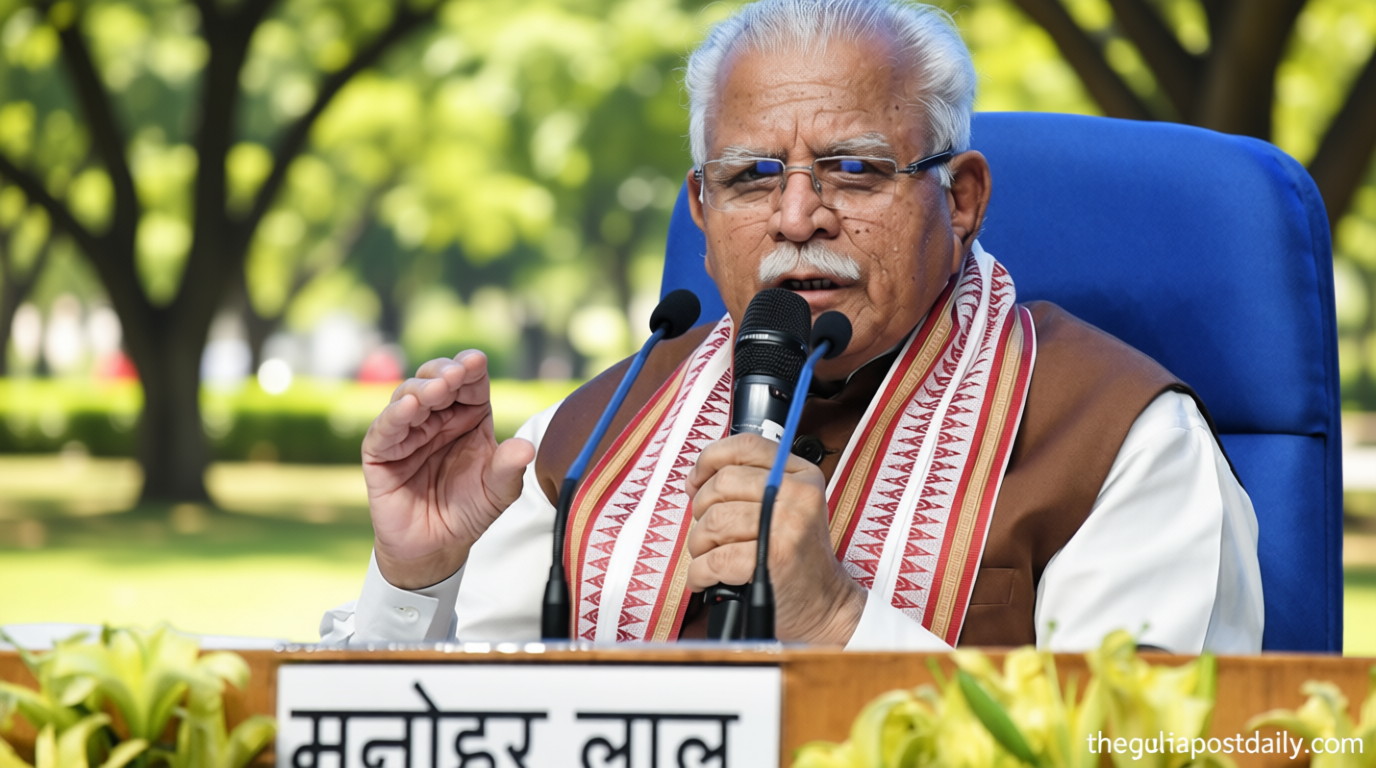
Theindiapostdaily.com – In a significant step toward fostering global collaboration in urban development, the BRICS nations—Brazil, Russia, India, China, and South Africa—have officially endorsed India’s proposed knowledge-sharing network on urbanization. This decision, announced during the closing session of the BRICS Urbanisation Forum 2026 in New Delhi, marks a pivotal moment in the collective efforts of these emerging economies to address shared challenges in urban planning and governance. The initiative, led by Union Housing and Urban Affairs Minister Manohar Lal, aims to create a structured platform for exchanging research, strategies, and best practices among BRICS member countries, reinforcing the group’s commitment to sustainable and inclusive urban growth.
Global Collaboration and Shared Goals
The BRICS Urban Research and Knowledge Network (BRICS UKN) is designed to act as a centralized hub for urban development expertise, bridging gaps between member states and promoting cross-border learning. Lal emphasized that the network will be driven by a chair representing each country, ensuring active participation and leadership from all members. This institutionalized framework will not only facilitate knowledge exchange but also support joint initiatives to tackle pressing urban issues such as infrastructure gaps, climate resilience, and digital innovation in governance. By establishing BRICS nations okay India proposed as a foundational element of this network, the group aims to leverage collective insights to create more equitable and efficient urban ecosystems.
“The BRICS UKN will enable us to pool resources and expertise to address common urban challenges, ensuring that no country is left behind in the race toward sustainable development,” said Lal.
The forum’s conclusion highlighted a unified approach to urbanization, with nations agreeing on shared priorities such as building resilient cities, improving access to essential services, and modernizing municipal financial systems. These themes, outlined in the Urban Ministerial Declaration, underscore the importance of aligning urban policies with global sustainability goals. The BRICS nations okay India proposed initiative is seen as a direct response to the growing need for collaborative problem-solving in the face of rapid urbanization, which has led to increased pressure on resources and governance frameworks across the globe.
Structure and Functionality of the Network
The BRICS UKN will operate through a series of annual meetings, thematic working groups, and regional partnerships, allowing member countries to engage in both short-term and long-term projects. Each nation will designate a nodal organization to represent its interests, ensuring that the network remains dynamic and responsive to evolving urban challenges. This structure reflects India’s proactive role in shaping the agenda, as the country has long been a leader in urban innovation and policy-making. The framework also includes provisions for data sharing, joint research, and capacity-building programs, which are expected to strengthen the group’s collective ability to address complex urban issues.
“India’s proposal was not just about creating a forum—it was about building a lasting partnership that will amplify our collective impact on urban development,” added a representative from the Russian delegation.
Participants from Brazil, China, Egypt, Ethiopia, Indonesia, Iran, South Africa, and the United Arab Emirates, alongside India, expressed enthusiasm for the initiative. They highlighted the potential of the network to serve as a global model for urban research, particularly in regions experiencing rapid population growth and urban sprawl. The BRICS nations okay India proposed approach also aligns with India’s vision of expanding its urban local bodies, which have been empowered through recent budgetary allocations and incentives for infrastructure financing in the FY27 fiscal year. This move is expected to further strengthen the network’s effectiveness by integrating local governance structures into its broader objectives.
Focus on Common Urban Challenges
A central theme of the BRICS UKN is the identification and mitigation of common urban challenges, such as affordable housing, transportation inefficiencies, and environmental sustainability. Delegates stressed the importance of addressing these issues through shared research and tailored solutions, recognizing that each country faces unique but interconnected problems in urban development. For instance, discussions on climate resilience highlighted the need for adaptive strategies to combat the effects of climate change on urban infrastructure, while sessions on digital governance explored the integration of technology to enhance transparency and efficiency in city management.
“India’s proposal for the BRICS UKN is a testament to its leadership in global urbanization, offering a platform where nations can learn from each other’s experiences,” noted a senior official from the Chinese delegation.
The network will also prioritize the exchange of successful case studies, such as India’s Swachh Bharat initiative, which has demonstrated measurable progress in improving urban cleanliness and hygiene. By integrating such examples into its framework, the BRICS UKN aims to inspire similar efforts in other member countries. Additionally, the initiative will support capacity-building programs for urban planners and policymakers, ensuring that all BRICS nations can contribute meaningfully to and benefit from the collaborative platform. This focus on common challenges is expected to foster a sense of shared responsibility and mutual growth, solidifying the BRICS nations okay India proposed as a cornerstone of the group’s urban development strategy.
Long-Term Vision and Strategic Benefits
India’s proposal for the BRICS UKN reflects a long-term vision to position the group as a global leader in urban research and policy. By creating a dedicated platform for knowledge sharing, the initiative seeks to address the multifaceted demands of urbanization, which has become a defining challenge of the 21st century. The network will also play a crucial role in aligning BRICS urban development goals with international frameworks such as the United Nations’ Sustainable Development Goals (SDGs), ensuring that member countries remain at the forefront of global urbanization efforts. This strategic alignment is anticipated to enhance the credibility and impact of the BRICS nations okay India proposed initiative on the world stage.
“This network will not only help us solve our own urban problems but also contribute to global solutions, proving that BRICS nations can lead in transformative urban development,” remarked a delegate from South Africa.
Furthermore, the BRICS UKN is designed to encourage innovation by supporting pilot projects and technology-driven urban reforms. Countries with advanced urban infrastructure, such as China and Russia, have already pledged to share their expertise in areas like smart city development and public-private partnerships. Meanwhile, nations facing urbanization challenges, such as Ethiopia and Egypt, are expected to leverage the network to access resources and strategies that can accelerate their progress. The collaborative spirit of the BRICS nations okay India proposed initiative is expected to create a ripple effect, influencing urban development policies beyond the group’s immediate membership.
With its focus on collective problem-solving and knowledge exchange, the BRICS UKN represents a bold step toward global urban cooperation. As the forum concludes, member nations are now tasked with implementing the framework, ensuring that the platform becomes a functional and impactful tool for sustainable urban growth. This decision not only highlights the BRICS nations okay India proposed but also underscores the group’s ability to drive meaningful change through unified action and shared expertise.