The filmmaker who gets jailed for making movies: Who is Jafar Panahi? Oscar-nominated director gets 5-year imprisonment
Iranian filmmaker Jafar Panahi, internationally recognised for continuing to make films under severe official restrictions, has been sentenced to five years
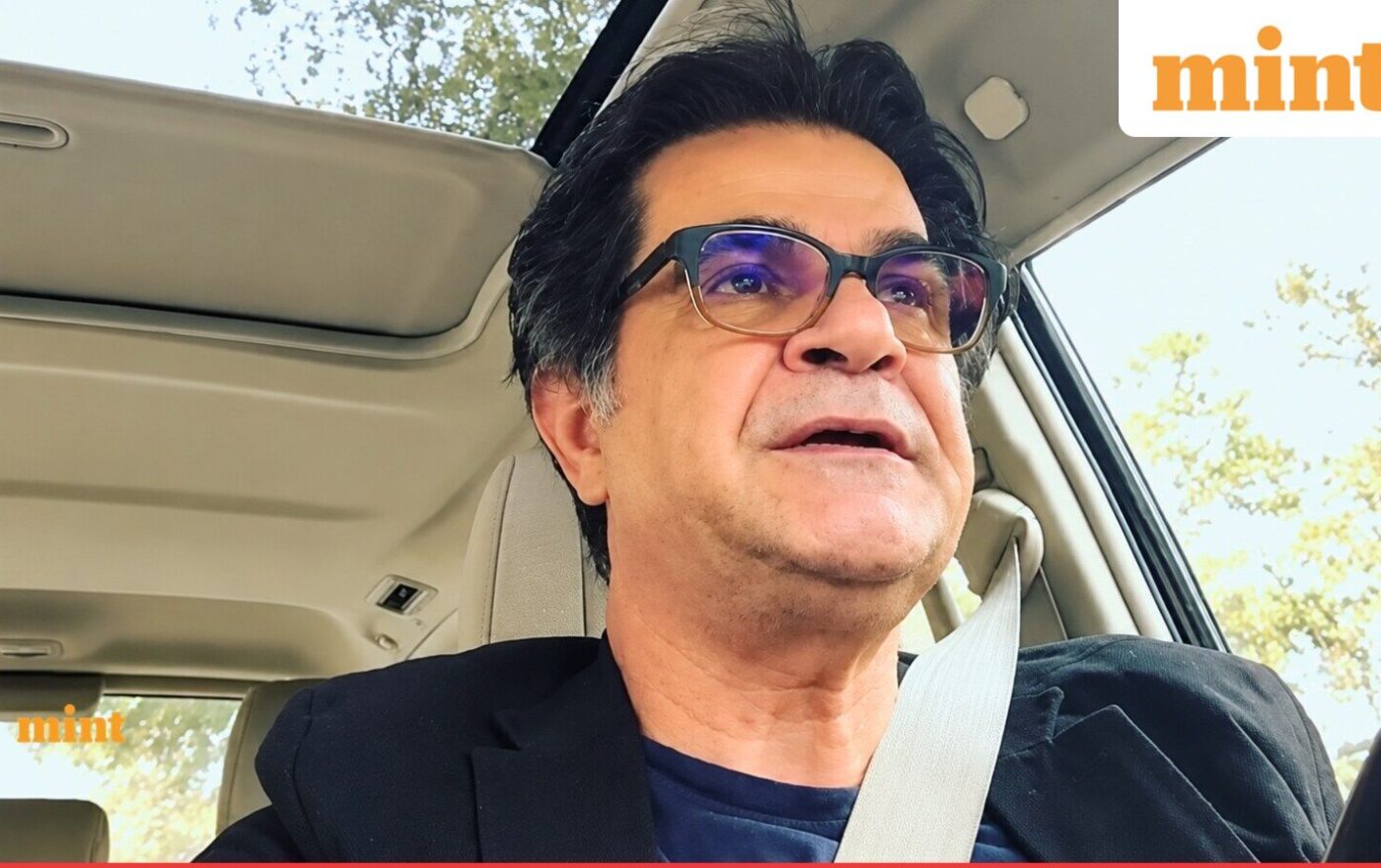
Jafar Panahi Faces New Prison Term Amid Long Conflict With Iranian Authorities
Theindiapostdaily.com – Iranian filmmaker Jafar Panahi, internationally recognised for continuing to make films under severe official restrictions, has been sentenced to five years and one month in prison. The ruling, disclosed by his lawyer Mostafa Nili on Tuesday, 28 October, also includes the confiscation of Panahi’s movable and immovable property.
The decision adds to decades of pressure on the director, whose career has been defined by both acclaimed filmmaking and repeated confrontations with Iranian authorities. Panahi has endured prison, house arrest, limits on travel and a sweeping prohibition on professional creative work, yet he has repeatedly returned to filmmaking.
A filmmaker who continued working under restrictions
Panahi is one of Iran’s most prominent directors and has become known well beyond the country for films that examine everyday life, power and personal freedom. His work has often been made in difficult circumstances, including periods when he was barred from directing, writing scripts, speaking to media outlets and travelling abroad.
Over the past two decades, he has continued to create films despite those restrictions. His projects include This Is Not a Film, Taxi and It Was Just an Accident. The latter centres on former prisoners who encounter a man they suspect was responsible for torturing them.
It Was Just an Accident was filmed secretly in Iran after Panahi left prison in 2023. The film later received the Palme d’Or at Cannes and an Oscar nomination, giving renewed international attention to a director whose work has long been shaped by the limits placed on him at home.
Panahi travelled internationally to promote the film but went back to Iran in March 2026. He said that living and working in Iran remained essential to him, despite the likelihood of further imprisonment. His return came after American and Israeli attacks on Iran had begun.
Unclear Charges in the Latest Case
The precise charges behind the latest conviction have not been made public. Nili did not outline the legal basis for the five-year-and-one-month sentence. Panahi had previously been convicted on allegations involving propaganda activities against the system, but it remains unclear whether that earlier case is connected to the new ruling.
The court order also led to restrictions on Panahi’s finances, with his bank accounts reportedly blocked. Although the sentence is serious, it can still be appealed. Before returning to Iran in 2026, Panahi was already facing a separate one-year prison sentence.
He was not detained immediately after the ruling. Activist Hossein Razzagh said he spoke with Panahi on the evening of Monday, 27 October, after the sentence was issued.
Years of Arrests, Bans and Secret Productions
Panahi’s difficulties with the authorities grew more intense during the unrest that followed President Mahmoud Ahmadinejad’s disputed election victory in 2009. He was arrested while attending a mourning gathering for Neda Agha-Soltan, the student whose killing became a powerful symbol of those protests.
In 2010, Panahi received a six-year prison sentence and a 20-year ban that covered filmmaking, screenwriting, foreign travel and interviews with the media. Rather than ending his creative work, the restrictions pushed it into more unconventional forms.
During house arrest, he made This Is Not a Film in his apartment. The project reached the Cannes Film Festival on a flash drive concealed inside a cake. In Taxi, he appeared as a Tehran taxi driver, using hidden dashboard cameras to capture conversations with passengers.
These films became central to Panahi’s reputation because they did not merely survive censorship; they turned the restrictions surrounding their creation into part of their meaning. His work frequently asks viewers to consider who gets to speak, who gets to move freely and what remains possible when public expression is tightly controlled.
Return to Evin Prison
In July 2022, Panahi went to Tehran’s prosecutor’s office to protest the detention of fellow director Mohammad Rasoulof. Authorities arrested Panahi there and sent him to Evin Prison to serve time connected to his earlier conviction.
He spent seven months in prison before beginning a hunger strike. His imprisonment ended in early 2023, and his travel ban was lifted later that year. That release allowed him to take his work to audiences outside Iran, even as the prospect of renewed legal action remained.
Panahi also expressed support for the Woman, Life, Freedom protests. In December 2025, he received another one-year sentence after being absent from court.
A Career Marked by Persistence
Outside Iran, Panahi is frequently viewed as a figure of artistic resilience. Within the country, his public criticism and his refusal to stop making films have made him a contentious presence for officials. His latest sentence continues a pattern in which legal penalties, travel controls and professional bans have repeatedly intersected with his work.
For audiences, Panahi’s career offers a striking example of how filmmaking can persist even when ordinary production becomes impossible. His films have been made from apartments, cars and other constrained settings, often with small crews and limited resources. Those circumstances have not prevented his work from reaching major festivals and international viewers.
The new conviction leaves the immediate future uncertain, particularly because the charges have not been clearly detailed. Yet Panahi’s history suggests that each attempt to restrict his work has become part of the larger story of his filmmaking: a continuing effort to create, speak and remain connected to Iran despite the personal cost.
Related Reading
Frequently Asked Questions
What is The filmmaker who gets jailed for making?
The filmmaker who gets jailed for making is the main topic of this guide. The article explains the context, practical details, and next steps readers should understand.
Why does The filmmaker who gets jailed for making matter?
The filmmaker who gets jailed for making matters because readers are looking for a useful answer, not just a short summary. Good content should match search intent and help them decide what to do next.