Brazil elections 2026 results: Explained — How Lula made surprise comeback | List of factors worked in his favour
The Brazil elections 2026 results delivered a dramatic comeback for Luiz Inácio Lula da Silva, who won the presidential runoff and secured a fourth term. Lula
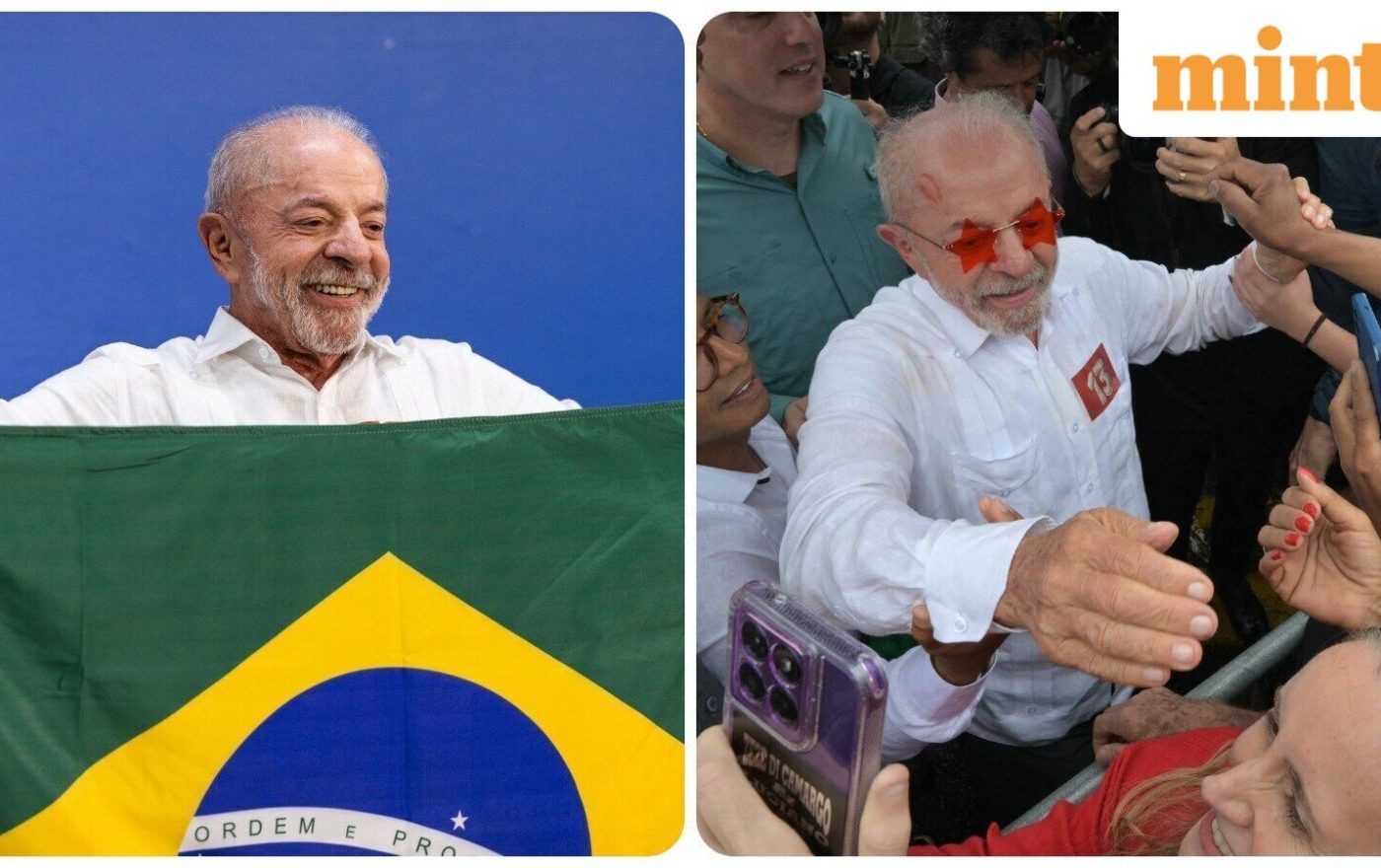
Brazil Elections 2026 Results: How Lula Won a Fourth Term
Theindiapostdaily.com – The Brazil elections 2026 results delivered a dramatic comeback for Luiz Inácio Lula da Silva, who won the presidential runoff and secured a fourth term. Lula overturned a first-round defeat to far-right Senator Flávio Bolsonaro, becoming the first candidate in Brazil’s modern democratic era to lose the opening round before winning the final vote.
With more than 99% of ballots counted, Lula had 51.8% of the vote, compared with 48.2% for Bolsonaro. Bolsonaro had led the first round by two percentage points, or about 2.2 million votes, but Lula finished the runoff more than four million votes ahead.
The victory gives Lula an unprecedented fourth election win for Brazil’s presidency. He is set to begin his second consecutive term on January 5, at the age of 81.
Democracy became a decisive issue
For many voters, the runoff was about more than the candidates’ economic plans or political records. It became a vote on Brazil’s democratic institutions and the country’s future political direction.
The Bolsonaro family remained influential after former President Jair Bolsonaro’s attempt to retain power by force four years earlier. Lula benefited from voters who saw preventing the family’s return to national power as their most urgent priority.
“We must do what we can to protect Brazil’s democracy,” said Karina da Silva Pereira, a 50-year-old lawyer in São Paulo.
That concern helped Lula reach beyond his traditional supporters. Some voters who did not fully embrace his agenda nevertheless regarded institutional stability as the central issue of the election.
Turnout efforts helped Lula recover
A major factor in the Brazil elections 2026 results was the effort to bring first-round non-voters back to the polls. Heavy rain affected much of the country on election day, while reports of reduced bus services in some areas raised concerns about access to voting locations.
Lower-income voters, an important part of Lula’s base, could have been disproportionately affected by transport problems. The Workers’ Party sought longer voting hours, and allegations of voter suppression added to tensions around the closely watched runoff.
Lula’s campaign intensified local organising, public events and online outreach after the first round. The strategy underlined how even a relatively modest turnout shift can shape a close national election.
Economic promises addressed household pressure
After falling behind in the first vote, Lula placed greater emphasis on the financial strain facing Brazilian families. His campaign shifted attention away from warnings about possible US involvement in the election and towards everyday economic concerns.
He pledged higher Bolsa Família welfare payments, advocated a shorter work week without pay cuts and proposed debt relief for households facing financial hardship. Lula also backed free public transport on weekends.
His campaign argued that Bolsonaro’s proposed spending reductions could put social benefits and public services at risk. By focusing on welfare, work, debt and transport costs, Lula sought to reconnect with lower-income voters and encourage participation.
A tougher message on crime
Public safety was another important part of Lula’s runoff strategy. In a departure from his party’s traditional approach, he supported prosecuting 16-year-olds as adults in cases involving particularly serious crimes.
The stronger stance addressed an issue that can favour conservative candidates. It was intended to reassure voters who supported social programmes but also wanted a firmer response to violent crime.
What the result means for Brazil
The Brazil elections 2026 results reinforce Lula’s political resilience and demonstrate the continued strength of Brazil’s closely divided electorate. His next term will begin with high expectations over household finances, public safety, welfare programmes and confidence in democratic institutions.
The narrow contest also shows that the Bolsonaro movement remains a significant force in Brazilian politics. Lula’s ability to govern will depend on maintaining support from voters who backed him for different reasons, including those motivated chiefly by concerns about democracy.
Brazil Elections 2026 Results: Frequently Asked Questions
Who won Brazil’s 2026 presidential election?
Luiz Inácio Lula da Silva won the presidential runoff with 51.8% of the vote, defeating Flávio Bolsonaro, who received 48.2%.
Why was Lula’s victory considered a comeback?
Lula lost the first round by two percentage points before reversing the result in the runoff and winning by more than four million votes.
When will Lula begin his new term?
Lula is due to begin his second consecutive term on January 5.
What issues influenced the Brazil elections 2026 results?
Key issues included democratic institutions, voter turnout, social benefits, debt relief, transport costs, working conditions and public safety.
Related Reading
Frequently Asked Questions
What is Brazil elections 2026 results?
Brazil elections 2026 results is the main topic of this guide. The article explains the context, practical details, and next steps readers should understand.
Why does Brazil elections 2026 results matter?
Brazil elections 2026 results matters because readers are looking for a useful answer, not just a short summary. Good content should match search intent and help them decide what to do next.