Trump trumpets ‘great settlement’ with Iran, adds ‘documents are pretty final shape’ – What we know so far
Trump's Great Settlement with Iran: Key Details and Reactions Theindiapostdaily.com – US President Donald Trump has touted the great settlement with Iran as a significant diplomatic achievement, claiming it marks…
Trump’s Great Settlement with Iran: Key Details and Reactions
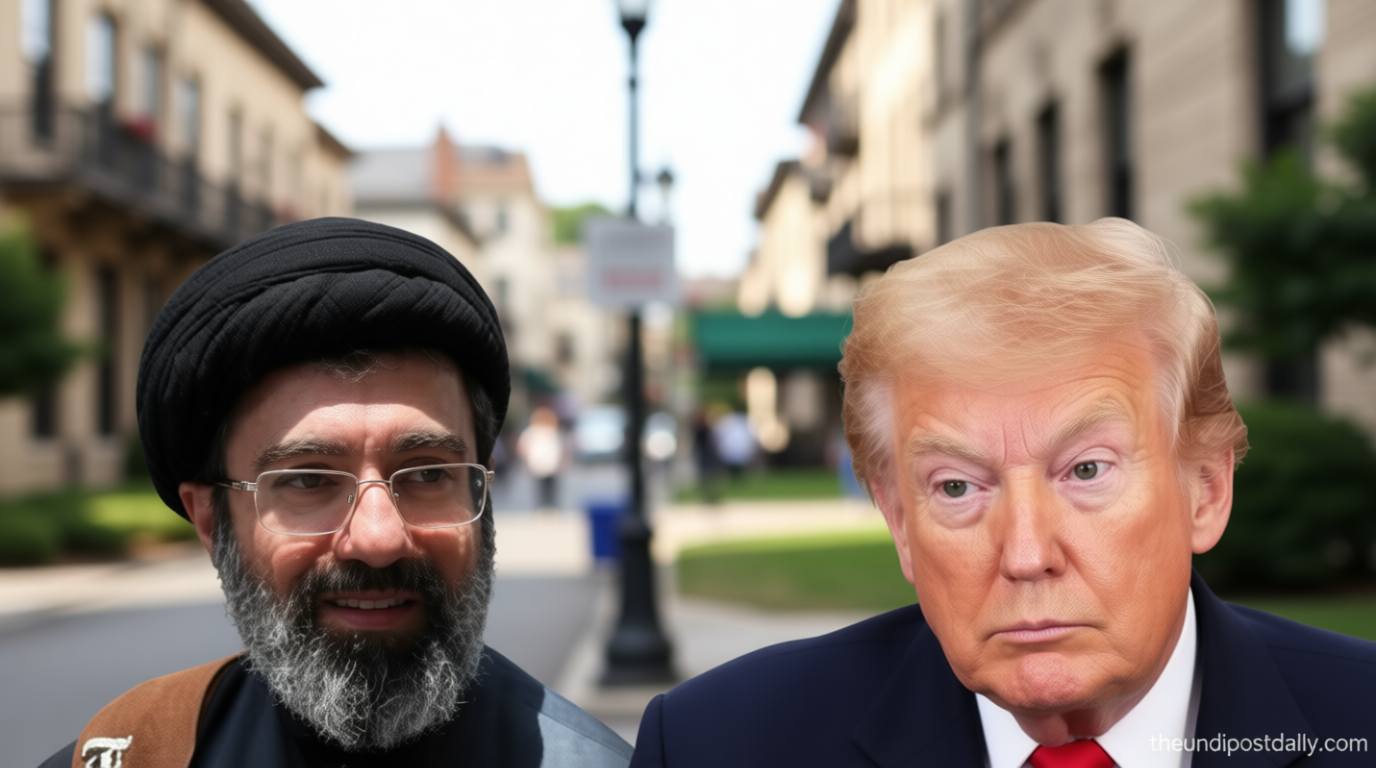
Theindiapostdaily.com – US President Donald Trump has touted the great settlement with Iran as a significant diplomatic achievement, claiming it marks the end of a protracted conflict. Speaking at a press briefing, he emphasized that the agreement has reached a “final shape,” signaling a turning point in US-Iran relations. The deal, he suggested, would reduce tensions and pave the way for long-term stability in the region. With Vice President JD Vance set to present the terms in Europe, Trump’s rhetoric has sparked both optimism and skepticism among international observers.
The Final Shape of the Agreement
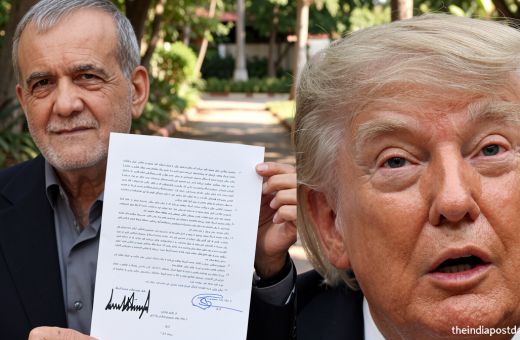
According to Trump, the proposed settlement with Iran represents a comprehensive resolution to the ongoing disputes. He described it as a “major breakthrough,” highlighting its potential to address key concerns related to Iran’s nuclear program and regional influence. While he acknowledged that formal signing may still require some adjustments, he insisted the documents are “pretty final,” implying that the core terms are settled. This declaration aligns with his earlier promises to broker a historic accord, though the details remain subject to verification.
“We have made a great deal with Iran, and the documents are in final shape,” Trump stated, underscoring the importance of the agreement. He reiterated that the terms would ensure Iran’s compliance with nuclear restrictions while allowing the United States to maintain oversight of its nuclear activities.
Iran’s Response and Negotiation Dynamics
Iran’s foreign ministry has not yet endorsed the claim of a final deal, expressing reservations about the US’s stance. Spokesperson Esmail Baghaei described the reports as “speculative,” noting that Tehran’s leadership had not officially ratified the agreement. The Iranian government emphasized its determination to safeguard its strategic interests, particularly regarding nuclear technology and missile development. Despite Trump’s confidence, Iran’s negotiators have indicated that further discussions are necessary to align both sides’ expectations.
“Until we have formal confirmation, any statements about the deal should be viewed with caution,” Baghaei remarked. He also pointed out that the Americans had frequently revised their demands, complicating the negotiation process.
Strategic Shift from Military to Diplomatic Approach
The announcement of the great settlement follows Trump’s decision to suspend planned military strikes on Iran, a move that has raised questions about the US’s strategy. In a post on Truth Social, he credited the pause to elevated diplomatic talks, asserting that Iran’s leadership had been “convinced” by the United States’ military pressure. “We were striking them relentlessly for three days,” Trump said, “and that forced them to the table.” This approach reflects a broader shift from unilateral military action to multilateral negotiations, with the goal of securing a lasting accord.
“The great settlement is the result of our military dominance,” Trump added, citing the crippling of Iran’s defense capabilities as a catalyst for the deal. However, analysts argue that the agreement’s success depends on Iran’s willingness to compromise, particularly on issues related to its nuclear ambitions and regional alliances.
Deal Terms and Regional Implications
Under the proposed great settlement, Iran would be required to limit its nuclear enrichment activities and reduce its missile arsenal. The United States, in turn, would lift certain sanctions in exchange for Iran’s compliance. Trump also highlighted Iran’s commitment to discontinue support for groups like Hezbollah and Hamas, which have been active in the Middle East. While these terms address immediate concerns, critics argue that the deal may not fully resolve long-standing tensions or prevent future conflicts.
Iran’s Tasnim news agency has pointed out that Trump’s repeated references to the great settlement over the past two months have led to doubts about its authenticity. “Until Iran formally confirms the agreement, any statements from Trump should be treated as consistent with his prior claims,” Tasnim cautioned. This skepticism underscores the need for transparency in the deal’s implementation, especially as both nations work to finalize the details.
International Reactions and Future Outlook
The great settlement with Iran has drawn mixed responses from global leaders. Allies of the United States, such as Israel and Saudi Arabia, have expressed cautious support, recognizing the potential to ease regional tensions. However, European nations like Germany and France have urged more clarity on the agreement’s specifics, emphasizing the importance of verifiable commitments. Meanwhile, Iran’s critics in the Middle East remain skeptical, fearing that the deal may not fully address their security concerns.
As the negotiations continue, the great settlement with Iran is seen as a pivotal moment in US-Iran relations. Trump’s assertion that the documents are “final” has set the stage for a potential agreement, but the success of this deal will hinge on Iran’s acceptance and the willingness of both sides to adhere to the terms. With the United States and Iran poised to finalize their arrangement, the international community watches closely for the next developments.