₹1.3 lakh shopping in Japan, no receipts: Traveller’s customs dilemma raises a question for Indians
1 3 lakh shopping in Japan has prompted an Indian traveller to seek advice after discarding every receipt for purchases made during the trip. The traveller
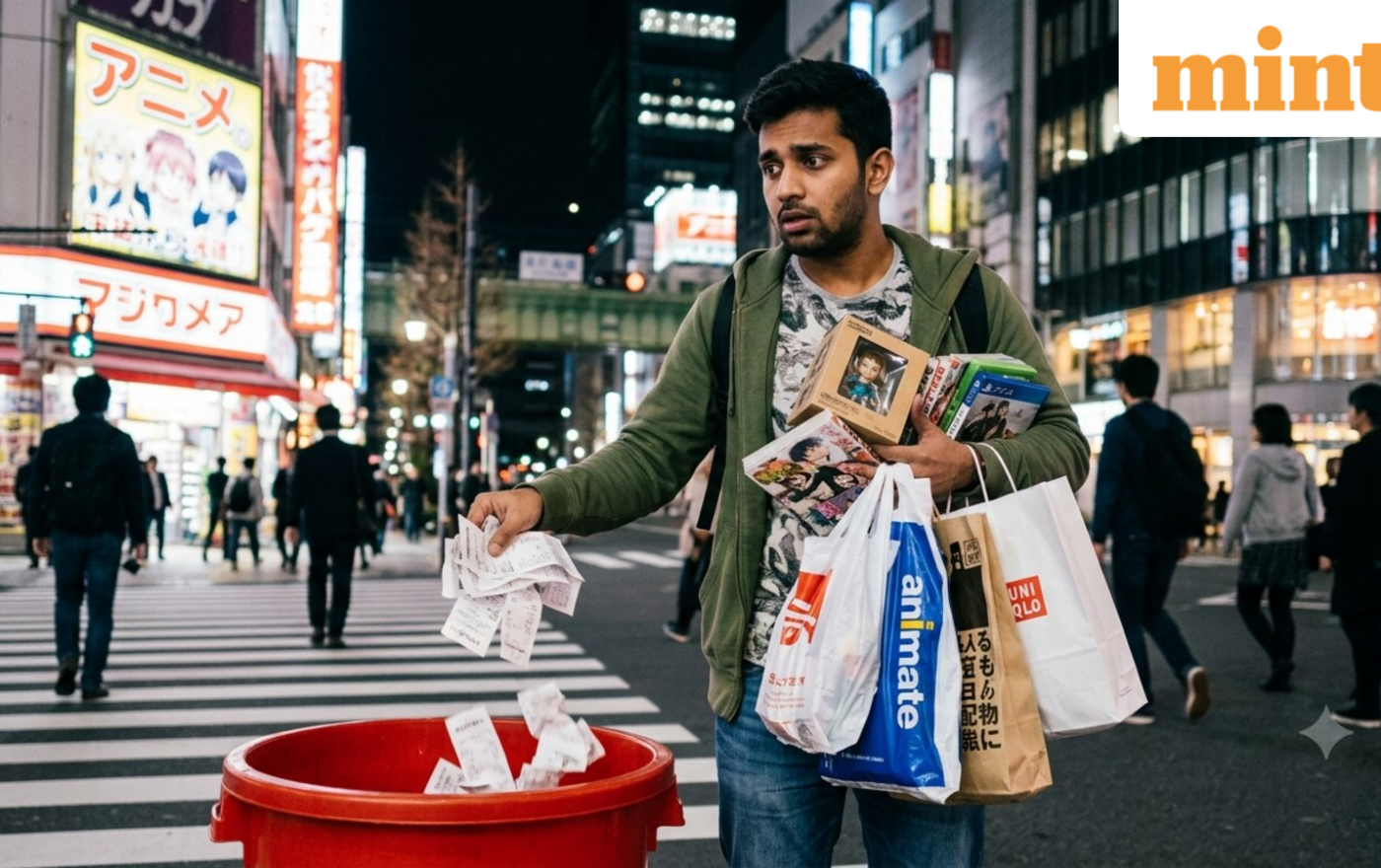
₹1.3 Lakh Japan Shopping Raises Customs Questions
Theindiapostdaily.com – 1 3 lakh shopping in Japan has prompted an Indian traveller to seek advice after discarding every receipt for purchases made during the trip. The traveller said the shopping total was about ₹1.3 lakh and asked whether a lack of invoices could create problems while returning to India.
The items reportedly included clothes, shoes, manga, figurines, stationery, chocolates, toys and video game discs. The concern was shared on Reddit, where the traveller asked if anything could still be done before arriving at customs.
“So I spent around 1.3 lakhs buying clothes, shoe, manga, figurines, stationary items, chocolates, toys, game disc and threw away all the receipts. Is there anything I should do now or am I cooked (sic)?”
Why receipts matter at Indian customs
Receipts are the easiest way to show the amount paid for goods bought overseas. Without them, customs officials may ask for other evidence of value, such as card statements, bank transactions, online order details, product listings or purchase confirmations.
Losing receipts does not remove a passenger’s obligation to declare goods that exceed the applicable allowance. It can, however, make the valuation process less straightforward, especially for new items, collectibles or products with widely varying prices.
For travellers worried about 1 3 lakh shopping in Japan, gathering alternative proof before departure can be useful. Digital payment records and screenshots of purchases may help explain the value and nature of the items carried home.
Duty-free allowance and new purchases
Eligible Indian residents returning from abroad can receive a general duty-free allowance of ₹75,000 for goods carried personally or in accompanied baggage under the revised baggage rules. The allowance replaced the earlier ₹50,000 limit.
The concession may also apply to tourists of Indian origin and certain foreign nationals holding a valid non-tourist visa. Foreign-origin tourists are eligible for a ₹25,000 allowance under the revised arrangement. Conditions, exclusions and the passenger’s eligibility remain important.
The allowance is individual and cannot simply be pooled with another traveller’s entitlement. Passengers arriving through land borders do not receive a general duty-free allowance under this provision.
Personal effects and fresh shopping are treated differently
Used personal belongings needed during travel are considered differently from newly purchased goods. But calling an item “personal use” does not automatically make it exempt from assessment, particularly when it is new and forms part of a substantial shopping total.
Customs officials may consider the type, quantity and value of the goods. A varied selection of clothing, souvenirs and collectibles may be easier to explain than multiple identical products that could appear intended for resale.
In the case of 1 3 lakh shopping in Japan, the reported amount is above the ₹75,000 general allowance for an eligible returning resident. The final assessment can still depend on the goods involved, their valuation and whether some articles qualify as personal effects.
What travellers should do before landing
Passengers whose new purchases exceed their available duty-free entitlement should declare the excess through the ATITHI 2.0 app or the Customs Declaration Form. Duty may then be payable on goods that fall outside the permitted allowance.
Being open about purchases is generally more practical than hoping the absence of receipts will not be noticed. Keeping items organised, saving digital payment evidence and being ready to answer questions can make the process easier.
FAQ for Indian travellers returning from Japan
Can I bring shopping worth more than ₹75,000 to India?
Yes, but goods above the available duty-free allowance should be declared. Customs duty may apply to the excess amount, subject to the rules and assessment of the goods.
What if I threw away receipts for purchases in Japan?
Look for alternative evidence such as credit-card statements, UPI-linked international payment records, bank transactions, email confirmations or online product pages. These may help establish the purchase value.
Are clothes and shoes automatically exempt as personal items?
Not necessarily. Used personal effects are treated differently from fresh purchases, but newly bought clothing and footwear may still be considered while calculating the value of goods brought into India.
Can family members combine their customs allowances?
No. The duty-free entitlement belongs to each individual passenger and cannot simply be combined to cover one person’s shopping.