Poonch LoC: Four killed in IED blast on Pakistan-occupied Jammu and Kashmir side, vigilance heightened
Security forces have stepped up vigilance along the Line of Control in Jammu and Kashmir’s Poonch sector after an improvised explosive device explosion on the
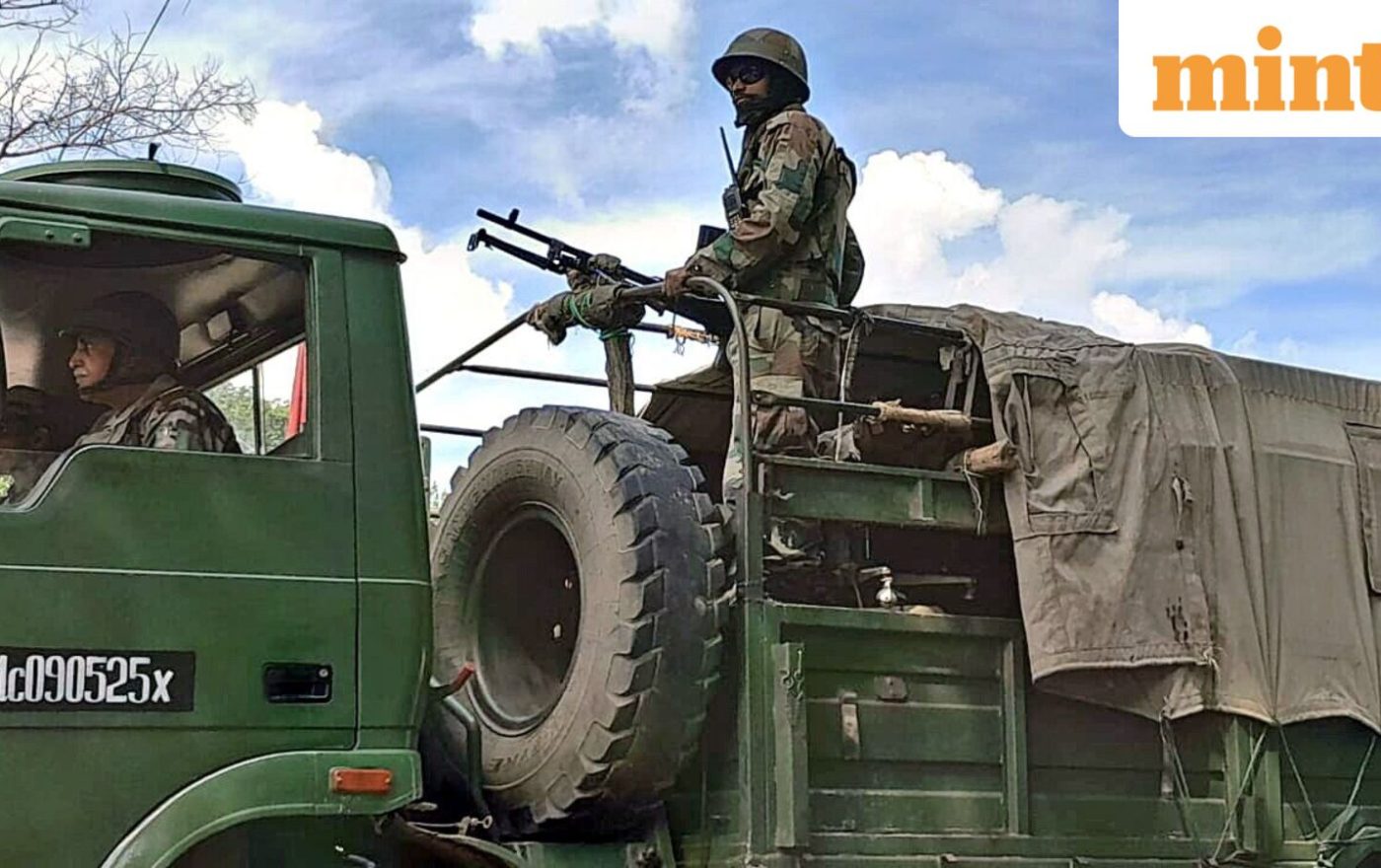
Security Tightened Along Poonch LoC After Deadly Blast Across the Border
Theindiapostdaily.com – Security forces have stepped up vigilance along the Line of Control in Jammu and Kashmir’s Poonch sector after an improvised explosive device explosion on the Pakistan-occupied Jammu and Kashmir side left at least four people dead on Monday.
The blast took place in the Satwal-Naki area of Hajira tehsil, opposite the Krishna Ghati area of Poonch district. Initial information indicated that workers had been laying water pipelines near the Pakistani side of the LoC when the device detonated.
The incident occurred close to the Salotri area near Nangi Tekri, an area lying along the sensitive frontier. The deaths triggered an alert on the Indian side as security personnel moved to guard against any possible attempt to exploit the situation for a breach along the border.
“A group of four infiltrators was reportedly eliminated in a powerful IED blast in Salotri area near Nangi Tekri along the LoC in Poonch sector on Monday afternoon.”
Victims Identified as Residents of PoJK Village
Preliminary details received from across the border identified those killed as Faizan Sagheer, Ishtiaq, Waqas Sharief and Asim Rafiq. All four were from Battal Mandhol village in Pakistan-occupied Jammu and Kashmir and were said to be cousins.
At the time the information emerged, there was no immediate confirmation that any of the deceased had links to terrorist activity. The available account placed the men in the area where pipeline work was being carried out, though the circumstances surrounding their presence near the LoC remained under scrutiny.
The Line of Control is among the most heavily monitored and militarised frontiers in the region. Any explosion, unusual movement or security incident on either side can lead to heightened preparedness because the terrain, weather and proximity of settlements can complicate assessments on the ground.
Indian security agencies intensified observation of forward areas after the blast. Such alerts are intended to ensure that troops and border personnel remain prepared for suspicious movement or other developments that could threaten security in the Poonch sector.
Two Old Landmines Found Near Mendhar Fence
Separately, Indian Army personnel discovered two rusted landmines near the border fence in Basoni, an area in Poonch’s Mendhar sector. The devices were spotted during track-construction activity on Monday morning, with detections recorded at about 8.25 am and 12.10 pm.
Army specialists later neutralised both mines through controlled explosions. The operation removed a potential threat from the area without reports of casualties or damage.
The recovery highlighted a continuing danger in forward locations where older mines can remain buried or become exposed over time. During the previous week, the Army had located and defused roughly a dozen landmines in the region.
Minefields form part of the anti-infiltration arrangements in several forward stretches along the LoC. They are intended to make unauthorised crossings more difficult, particularly in vulnerable approaches near the border fence. However, these devices can also become hazardous when natural conditions change the ground around them.
Rain and Shifting Ground Can Expose Buried Devices
Heavy rainfall can wash away soil and alter the position of landmines, sometimes bringing previously buried explosives closer to the surface. This creates risks for troops, construction crews and anyone moving through areas near the frontier.
Routine patrols, engineering work and inspections are therefore important in identifying unexploded devices before they can cause harm. When a mine is found, trained personnel use controlled procedures to destroy it rather than attempting to move it casually.
The latest discoveries in Mendhar came as security agencies were already maintaining closer watch along the Poonch LoC following the deadly explosion across the border. Together, the incidents underline the persistent security and safety challenges faced by communities and personnel living near one of the region’s most sensitive boundaries.
For residents of border districts, heightened vigilance often means increased monitoring of movement, closer coordination among security units and caution around unfamiliar or exposed objects. Authorities generally treat suspicious materials in forward areas as potentially dangerous until specialists have examined them.
Investigations and ground-level assessments are expected to continue as officials seek to establish more details about the explosion in the Hajira area and maintain security along the Poonch frontier.
Related Reading
Frequently Asked Questions
What is Poonch LoC?
Poonch LoC is the main topic of this guide. The article explains the context, practical details, and next steps readers should understand.
Why does Poonch LoC matter?
Poonch LoC matters because readers are looking for a useful answer, not just a short summary. Good content should match search intent and help them decide what to do next.