Ode to Jantar Mantar: How Delhi’s ‘marketplace of grievances’ brought dissent to doorstep of power
Ode to Jantar Mantar reflects on a place that for decades brought public grievances within sight of political power. Located in central Delhi near Parliament
Ode to Jantar Mantar: Delhi’s Historic Stage for Public Dissent
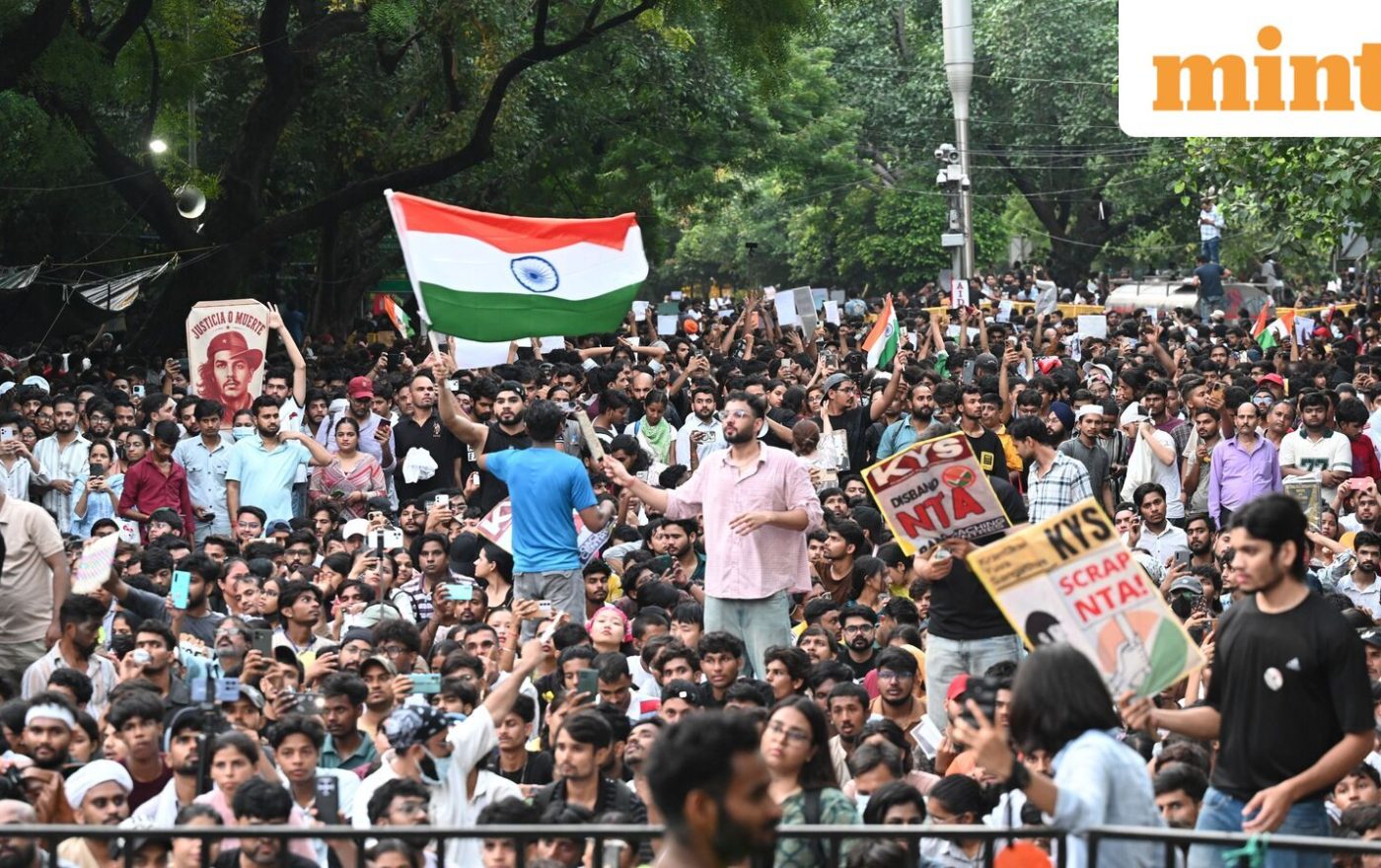
Theindiapostdaily.com – Ode to Jantar Mantar reflects on a place that for decades brought public grievances within sight of political power. Located in central Delhi near Parliament and major government offices, this short stretch of road became a nationally recognised setting for sit-ins, hunger strikes, marches and demonstrations.
Its official role is now changing. The Ministry of Home Affairs has identified Ramlila Ground, Burari Ground and CBD Ground as authorised locations for demonstrations in Delhi, shifting protest activity away from the historic observatory and its surrounding road.
The change comes after years of political and civic mobilisation in the area. Opposition groups, student organisations including the All India Students’ Association and the Students’ Federation of India, and civil society groups such as the Cockroach Janata Party have organised protests and marches nearby.
Why the Location Mattered
Built in the 18th century as an astronomical observatory, Jantar Mantar gained a modern identity as a site of dissent. Its importance came from proximity: protesters could make demands close to the institutions expected to hear them.
Farmers, labour groups, students, political organisations and individual citizens used the venue to transform local concerns into national conversations. Banners, slogans, fasts and sustained gatherings could draw public and media attention near Parliament, North Block, South Block and other central government offices.
For many demonstrators, the location represented a democratic pressure point. It offered people with limited access to formal authority a visible place to seek accountability and support.
From Boat Club to a Regulated Protest Space
Before it emerged as Delhi’s principal protest venue, large gatherings often took place at Boat Club, even closer to the heart of government. That approach changed after October 1988, when more than five lakh farmers led by Mahendra Singh Tikait assembled there.
The size of that mobilisation altered official thinking about demonstrations in central Delhi. In the early 1990s, as the Ram Janmabhoomi-Babri Masjid movement intensified, the Congress-led government banned gatherings at Boat Club after a period of concern over the farmers’ protest.
In 1993, Jantar Mantar was formally identified as a protest venue. Authorities considered it easier to manage because crowd movement could be controlled through its two main entry and exit points. The road between Tolstoy Road and the Ashoka Road roundabout subsequently became an unusual space in New Delhi, where Section 144 was not routinely imposed in the same way as elsewhere.
Environmental and Legal Challenges
Its popularity also created tension with residents and regulators. In October 2017, the National Green Tribunal sought a Supreme Court ban on protests at the site after residents raised concerns about prolonged noise and poor sanitation during demonstrations.
The tribunal directed authorities to move protesters to an alternative venue and named Ramlila Maidan, roughly four kilometres away. It cited the absence of an executive order formally designating the road as a protest site, the Delhi Master Plan’s residential classification of the area, and concerns about noise pollution.
In July 2018, the Supreme Court rejected a complete ban on protests in the Jantar Mantar and Boat Club areas. Instead, it allowed demonstrations subject to rules on conduct and participant numbers.
Protests That Shaped Its Public Memory
The venue remains associated with demonstrations that carried regional issues and individual demands into national debate. In April 2011, social activist Anna Hazare began a hunger strike there seeking a Jan Lokpal law. When he resumed his fast three months later, the gathering grew too large for the road and moved to Ramlila Maidan.
Hazare’s anti-corruption movement became a defining political event of its time and is widely seen as having contributed to the eventual defeat of Manmohan Singh’s Congress-led UPA government.
Between March and April 2017, farmers from Tamil Nadu stayed at the venue for 40 days. Facing debt, they demanded a ₹40,000-crore drought-relief package, a loan waiver and intervention from the central government.
The history remembered in this Ode to Jantar Mantar is not only about a location. It is about access, visibility and the enduring effort to bring public demands closer to power.
FAQ: Protests in Delhi
Where are protests officially permitted in Delhi?
The Ministry of Home Affairs has identified Ramlila Ground, Burari Ground and CBD Ground as authorised protest locations in Delhi.
Why was Jantar Mantar important to protesters?
Its central location near Parliament and key government offices enabled demonstrators to make their demands visible to decision-makers, the media and the public.
Can demonstrations still take place near Jantar Mantar?
The Supreme Court did not impose a complete prohibition in the Jantar Mantar and Boat Club areas in 2018, but demonstrations remain subject to applicable rules on conduct and the number of participants.