‘Not like coronavirus’: Mystery shrouds Russian lab technician’s death, some residents fear plague, others remain calm
The death of 28-year-old laboratory technician Darya Shipilova has unsettled communities in Russia’s Irkutsk region, where questions about the illness that
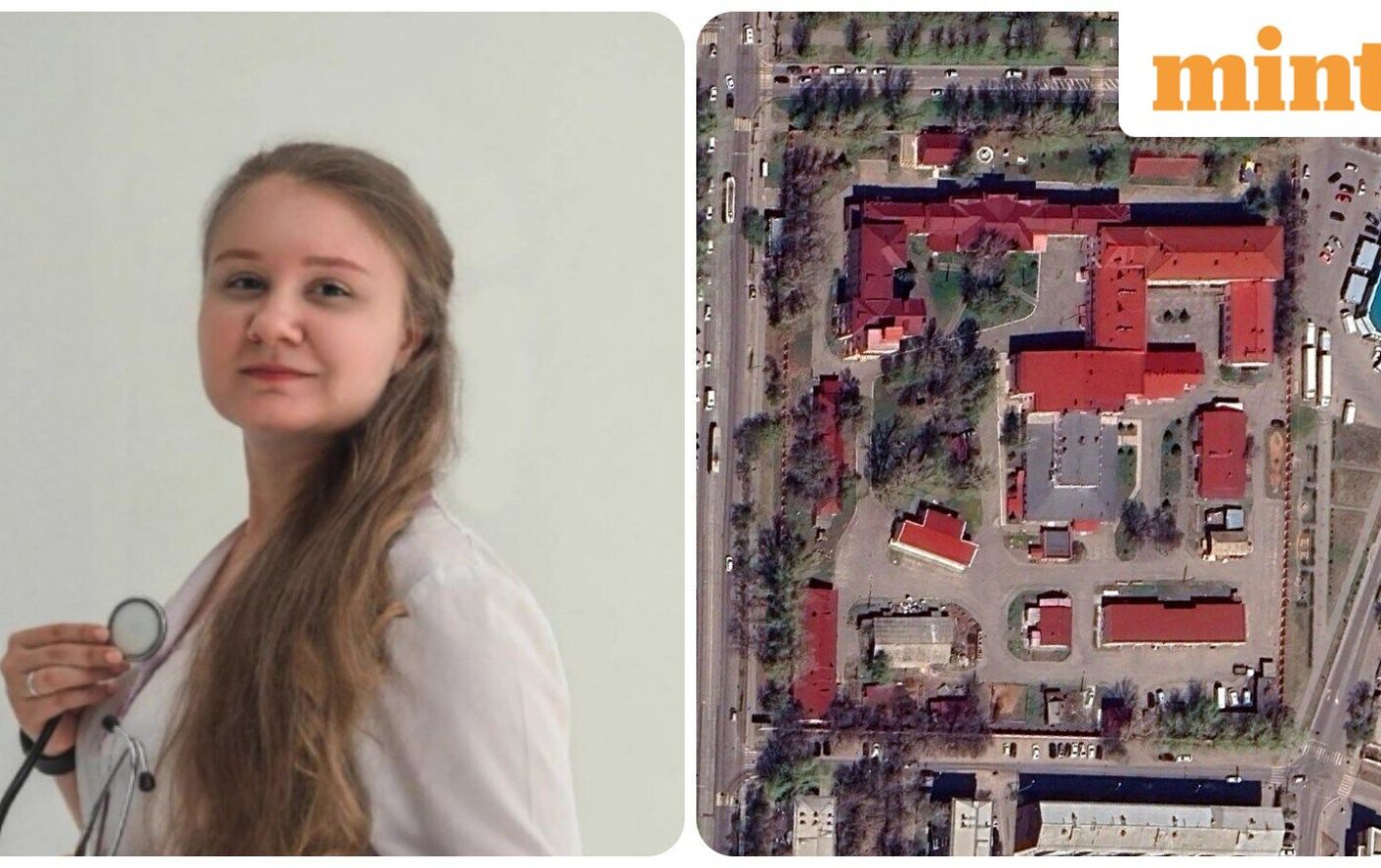
Uncertainty Persists After Russian Laboratory Technician Dies of Pneumonia
Theindiapostdaily.com – The death of 28-year-old laboratory technician Darya Shipilova has unsettled communities in Russia’s Irkutsk region, where questions about the illness that led to her death remain unanswered in public statements. Shipilova died in a hospital in Shelekhov on Friday after falling ill with pneumonia, while residents in Shelekhov, Irkutsk and Angarsk have faced a mix of rumours, heightened caution and attempts to carry on normally.
Authorities initially linked the October 2 death to pneumonic plague, a form of plague that can pass between people. Shipilova worked at the Irkutsk Anti-Plague Research Institute, a role that has added to public concern about whether her condition could have been connected to her work.
Russia’s consumer and health safety watchdog, Rospotrebnadzor, said she had developed pneumonia of an unidentified origin and tested negative for the pathogens handled in her professional setting. The agency did not specify the cause of the pneumonia or identify the organisms involved in her laboratory work.
Irkutsk Governor Igor Kobzev described the illness as community-acquired pneumonia, meaning it was contracted outside a medical facility. He also said Shipilova had been vaccinated and had immunity to the pathogens involved in her work at the institute.
Residents seek clearer answers
The limited detail released by authorities has fueled distrust among some local people. Nearly a week after news of the death emerged, residents described an atmosphere in which ordinary life had largely continued, even as uncertainty lingered over the medical explanation.
Evgeniya, a 36-year-old resident, said daily life appeared unchanged and she was not personally panicking. Still, she said a pharmacist friend had seen people buying antibiotics after rumours about plague began circulating.
“There is no official information, and we don’t trust it anyway. There are a lot of rumours, but what is actually happening remains unclear,”
Her concerns reflect a broader challenge during public-health incidents: when confirmed information is sparse, unofficial accounts can quickly fill the gap. Even people who do not believe an immediate threat exists may react by purchasing medicines, masks or disinfectants as a precaution.
An unnamed Russian clinician questioned the conclusion that Shipilova’s illness was unrelated to her professional duties. The clinician noted that laboratory confirmation can require as long as 10 days and argued that identifying a pathogen conclusively one day after an autopsy would not be possible.
Calm in some parts of the region
Other residents have taken a more reassuring view. Ekaterina, 26, said those who had contact with the laboratory worker had been isolated, reducing the reason for wider alarm. She said people around her were continuing their routines rather than responding with fear.
“People are not giving in to panic and are carrying on with their lives as usual,”
Ekaterina stressed that plague has established treatments, unlike the uncertainty many people associated with the early stages of the coronavirus pandemic.
“It’s the 21st century now, and there is treatment for plague. This is not like coronavirus, which was something unknown to people. The outlook is much better. So, to sum it all up: Everything is fine. We are following safety measures and not giving in to the madness,”
A pharmacist in Irkutsk described a brief surge in demand on Saturday for masks, antiseptics and tetracycline antibiotics. Customers were buying supplies “just in case,” she said, driven by fear of infection. The rush did not last.
“There is no panic now. It only lasted for one day. We are not seeing it anymore. Everything is just as quiet and calm,”
Alina, 38, similarly described the situation as ordinary apart from increased discussion on social media. She regarded much of the online reaction as panic disconnected from everyday conditions in the city.
Disinfection activity adds to concern
Accounts from residents also drew attention to activity at an apartment building in Irkutsk believed to be Shipilova’s home. On Friday night, three vehicles reportedly arrived outside the building. People in gas masks and orange protective suits were said to have entered carrying containers before disinfecting the entrances.
A woman in her 40s who lives in the building described the odour left behind as intense.
“The smell was unbearable and very acrid,”
Residents said the personnel identified Rospotrebnadzor as the body that had sent them. When questioned about the reason for the operation, the workers reportedly said a young woman had died from a deadly virus but offered no further explanation.
Disinfection and contact isolation can be precautionary measures, but in the absence of detailed official explanations they can also intensify local anxiety. In this case, the visible response around the apartment block has become part of the uncertainty surrounding Shipilova’s death.
Why the case has drawn attention
The case is unusual because Shipilova worked at an anti-plague research institute and because pneumonic plague is capable of person-to-person transmission. At the same time, the information made public by health authorities has emphasized that her tests were negative for workplace pathogens and that her pneumonia had not been clearly identified.
For residents, the practical issue is not only the cause of one death but whether there is any continuing risk to the wider public. Some have responded by taking extra precautions, while others point to isolation measures and available treatments as reasons to remain calm.
Until fuller medical findings are released, the competing explanations are likely to keep attention focused on Shelekhov and the nearby cities. The episode has shown how quickly uncertainty around a serious illness can affect public confidence, even when daily life remains largely unchanged.
Related Reading
Frequently Asked Questions
What is Not like coronavirus?
Not like coronavirus is the main topic of this guide. The article explains the context, practical details, and next steps readers should understand.
Why does Not like coronavirus matter?
Not like coronavirus matters because readers are looking for a useful answer, not just a short summary. Good content should match search intent and help them decide what to do next.