Cockroach Janta Party Protest LIVE: Dipke joins Lucknow students today; Dharmendra Pradhan resignation demand grows
Cockroach Janta Party Protest LIVE: Students Rally in Lucknow Against NEET Scandal Protest Developments Cockroach Janta Party Protest LIVE - The Cockroach
Cockroach Janta Party Protest LIVE: Students Rally in Lucknow Against NEET Scandal
Protest Developments
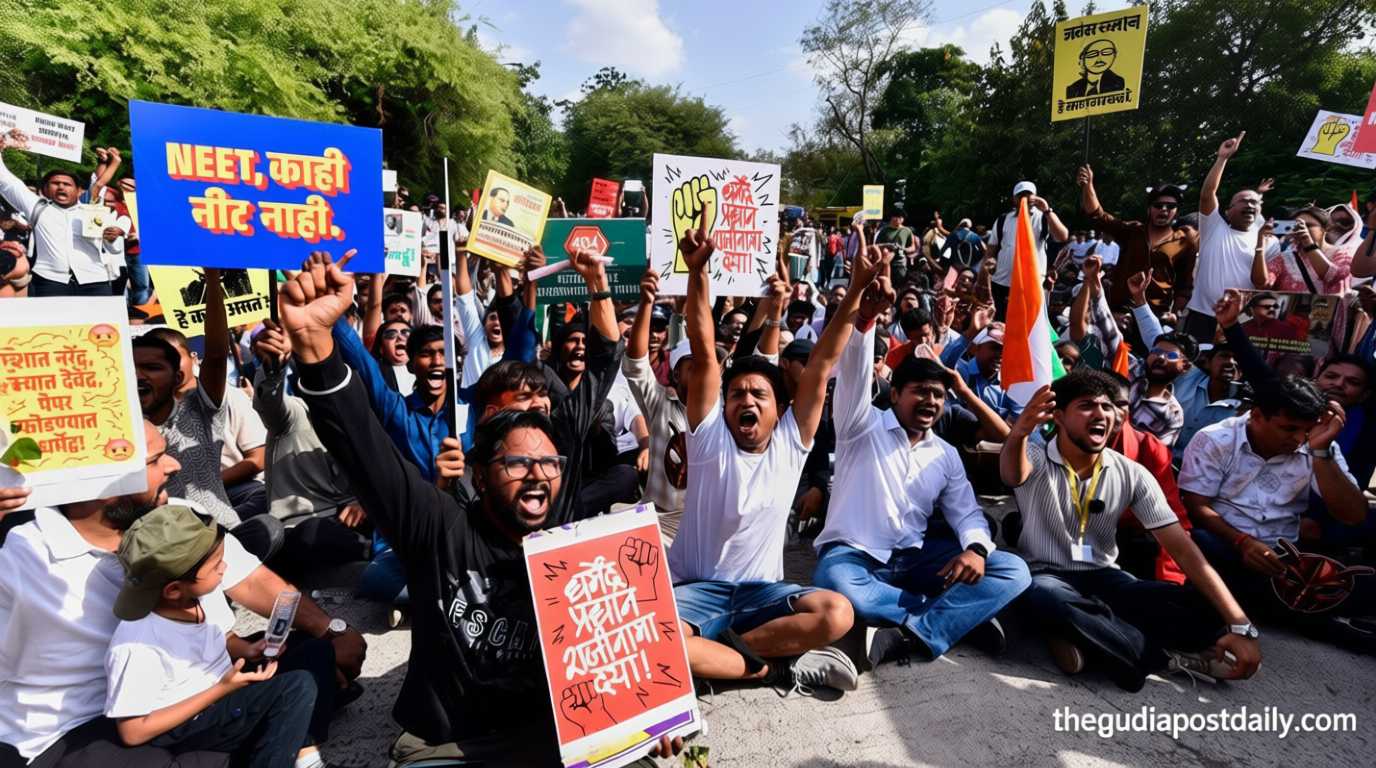
Theindiapostdaily.com – The Cockroach Janta Party (CJP) has intensified its campaign with a significant protest event in Lucknow, where founder Abhijeet Dipke joined students at the iconic Eco Garden on June 20. This live demonstration marks a crucial escalation in the nationwide movement demanding accountability from Union Education Minister Dharmendra Pradhan, particularly in light of the ongoing NEET paper leak controversy. The protests, which began in Delhi and Pune earlier this month, have now gained momentum in Lucknow, drawing attention to alleged irregularities in competitive exams that have sparked widespread student unrest.
Public Reaction and Demands
As the Cockroach Janta Party Protest LIVE unfolded in Lucknow, thousands of students gathered to voice their grievances, highlighting concerns about the integrity of academic assessments. Protests have become a regular occurrence in recent weeks, with demonstrators citing repeated instances of paper leaks and exam disruptions as evidence of systemic negligence. The growing demand for Dharmendra Pradhan’s resignation reflects deepening public frustration, as students argue that the minister’s inaction has jeopardized their chances of securing higher education opportunities. Social media platforms have amplified these calls, with hashtags like #CJPProtest and #NEETScandal trending extensively.
“The Cockroach Janta Party Protest LIVE is not just about one incident; it’s a movement for transparency in our education system. We want the exams to reflect true merit, not corruption,” said Dipke during a press briefing ahead of the rally.
Historical Context of the Movement
The CJP’s campaign has roots in the broader student protests that erupted in early 2026, fueled by the NEET paper leak scandal that rocked the country. This incident, where over 100,000 students were allegedly affected, led to widespread calls for reforms. The Cockroach Janta Party, known for its grassroots approach, has emerged as a key player in these demonstrations, leveraging the frustration of students to pressure the government. The group’s focus on academic accountability aligns with growing concerns about the reliability of standardized tests, which are critical for admissions to medical and engineering colleges across India.
Protesters in Lucknow have emphasized that the Cockroach Janta Party Protest LIVE is part of a coordinated effort to address systemic issues in education. They have highlighted the need for stricter monitoring of exam centers and penalties for those involved in leaking test papers. The movement also underscores the importance of public awareness, as students and parents alike are demanding more transparency from examination authorities. The presence of Dipke at the rally has further energized the crowd, with many expressing hope that the protest will lead to tangible changes in the system.
Government Response and Challenges
Despite the organized nature of the Cockroach Janta Party Protest LIVE, authorities in Lucknow have faced challenges in managing the event. While initial reports indicated that police clearance was pending, the demonstrators remained undeterred, citing the right to protest as a fundamental democratic right. The situation has drawn comparisons to previous protests in Delhi and Pune, where similar demands were made without significant disruption. However, the Lucknow rally has taken on a new urgency, with organizers urging a peaceful yet persistent approach to ensure their message is heard.
Union Education Minister Dharmendra Pradhan has been a focal point of the protests, with students accusing him of failing to address the root causes of exam irregularities. The Cockroach Janta Party Protest LIVE has become a symbol of collective anger, with participants from across India converging in Lucknow to amplify their voices. The government’s response has been mixed, with some officials pledging to review the NEET process while others have remained defensive, calling the allegations exaggerated. This divide has further fueled the protests, as students seek clarity on whether the minister will take decisive action.
Broader Implications for the Education Sector
The Cockroach Janta Party Protest LIVE is not just a localized event but a nationwide call for reform that could reshape India’s education landscape. With students at the forefront of this movement, the protests have forced policymakers to confront the credibility of competitive exams. The CJP’s focus on structural changes, such as the introduction of a “fair exam manifesto,” has resonated with many, particularly in regions where exam corruption has had a direct impact on admissions. As the protests continue, the pressure on Dharmendra Pradhan and the National Testing Agency (NTA) is expected to grow, potentially leading to long-term reforms in how exams are conducted and monitored.
Analysts suggest that the Cockroach Janta Party Protest LIVE could serve as a catalyst for broader reforms, especially if the government is unable to resolve the NEET controversy quickly. The movement has also highlighted the role of social media in mobilizing protests, with platforms like X and Instagram playing a critical part in spreading awareness. As the protests gain traction, the CJP is positioning itself as a key voice in the fight for academic fairness, drawing support from students, educators, and parents who have seen the consequences of exam misconduct firsthand.
Stay tuned for live updates as the Cockroach Janta Party Protest LIVE continues to evolve, with plans for a larger rally at Jantar Mantar in New Delhi on June 20. This event is anticipated to draw even more attention to the issues at hand, further pressuring the government to act swiftly. The protests remain a focal point for the education sector, with the potential to influence policies that affect millions of students across the country.