Navratri 2026: Day-wise colours this year, significance, key dates, Navadurga celebrations and more
Navratri 2026 begins on Sunday, 11 October, marking nine nights of devotion to Goddess Durga and her nine divine forms, known as Navadurga. The festival is
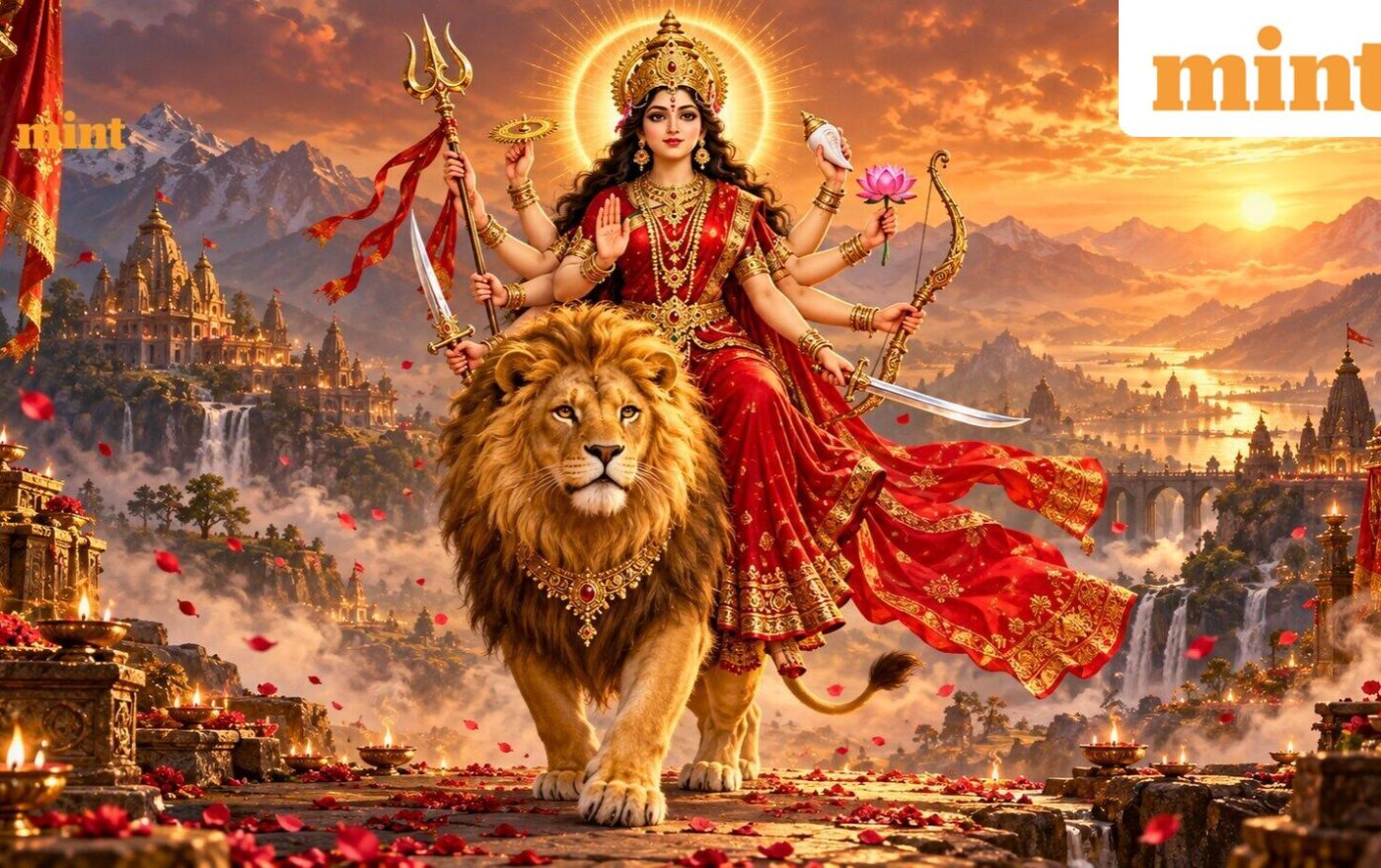
Navratri 2026: Dates, Daily Colours and Navadurga Worship
Theindiapostdaily.com – Navratri 2026 begins on Sunday, 11 October, marking nine nights of devotion to Goddess Durga and her nine divine forms, known as Navadurga. The festival is observed through prayers, fasting, aarti, sacred readings and community celebrations honouring Shakti, the divine feminine power.
Celebrated over nine nights and ten days, the festival represents the victory of good over destructive forces. Customs differ by region and family, but each day is dedicated to a form of the Goddess. Many devotees also follow the popular tradition of wearing a colour associated with that day.
Key Navratri 2026 dates
Ghatasthapana, the ritual that inaugurates the festival, falls on 11 October. During the ceremony, devotees establish a sacred kalash and invoke the Goddess for the days of worship ahead.
Maha Shashthi will be observed on 16 October, followed by Maha Saptami on 17 October. Durga Ashtami and Maha Navami observances fall on 19 October. Vijayadashami, also known as Dussehra, will be celebrated on Tuesday, 20 October.
Vijayadashami concludes the festival and symbolises the triumph of righteousness over evil. In several parts of India, the day also includes Durga Puja idol immersion processions.
Navratri 2026 colours by day
Day 1: 11 October — Orange
The first day honours Maa Shailaputri, the daughter of the mountains. Orange is associated with enthusiasm, warmth and the energetic beginning of the festival.
Day 2: 12 October — White
Maa Brahmacharini is worshipped on the second day. White represents peace and purity, reflecting her association with penance, discipline and spiritual devotion.
Day 3: 13 October — Red
The third day is dedicated to Maa Chandraghanta, a warrior form of the Goddess. Red conveys courage, love, passion and protective strength.
Day 4: 14 October — Royal Blue
Maa Kushmanda is revered on the fourth day. Royal blue is linked with depth, composure, divine wisdom and richness.
Day 5: 15 October — Yellow
The fifth day honours Maa Skandamata, the mother of Lord Kartikeya. Yellow expresses optimism, happiness and nurturing warmth.
Day 6: 16 October — Green
Maa Katyayani is worshipped on Maha Shashthi. Green represents growth, fertility, harmony, nature and new beginnings.
Day 7: 17 October — Grey
The seventh day is devoted to Maa Kalaratri, the fierce form believed to destroy fear and evil. Grey is associated with balance, resilience and thoughtful judgment.
Day 8: 18 October — Purple
Maa Mahagauri is worshipped on the eighth day. Purple is connected with dignity, aspiration, spiritual fulfilment and prosperity.
Day 9: 19 October — Peacock Green
The final day honours Maa Siddhidatri, who is believed to grant spiritual powers and fulfil aspirations. Peacock green reflects compassion, freshness and fulfilment.
How the festival is celebrated
Navratri traditions vary widely across India. Many households keep fasts, offer daily prayers, perform aarti and follow rituals passed down through generations. For devotees, the festival brings together reflection, faith and celebration.
Garba and Dandiya-Raas are major features of celebrations in Gujarat and Maharashtra, where people gather for devotional dance and music. In West Bengal, Odisha and Assam, the period overlaps with Durga Puja, including elaborate pandals, cultural programmes and idol processions.
In northern India, Ramlila performances and Dussehra events are held in many towns and cities. These observances reinforce the festival’s central message of courage, devotion and the eventual triumph of good.
Navratri 2026 FAQ
When does Navratri start in 2026?
Sharad Navratri starts on Sunday, 11 October 2026, with Ghatasthapana.
When is Dussehra in 2026?
Dussehra, or Vijayadashami, falls on Tuesday, 20 October 2026.
Do devotees have to wear the daily Navratri colours?
No. Wearing the daily colour is a popular devotional custom, not a compulsory ritual. Devotees may participate according to their personal beliefs, family practices and local traditions.
Related Reading
Frequently Asked Questions
What is Navratri 2026?
Navratri 2026 is the main topic of this guide. The article explains the context, practical details, and next steps readers should understand.
Why does Navratri 2026 matter?
Navratri 2026 matters because readers are looking for a useful answer, not just a short summary. Good content should match search intent and help them decide what to do next.