Petrol, diesel prices today: How costly is fuel in Delhi, Mumbai, Bengaluru, Kolkata and other cities on June 12
As of June 12, petrol and diesel prices across Indian cities remain
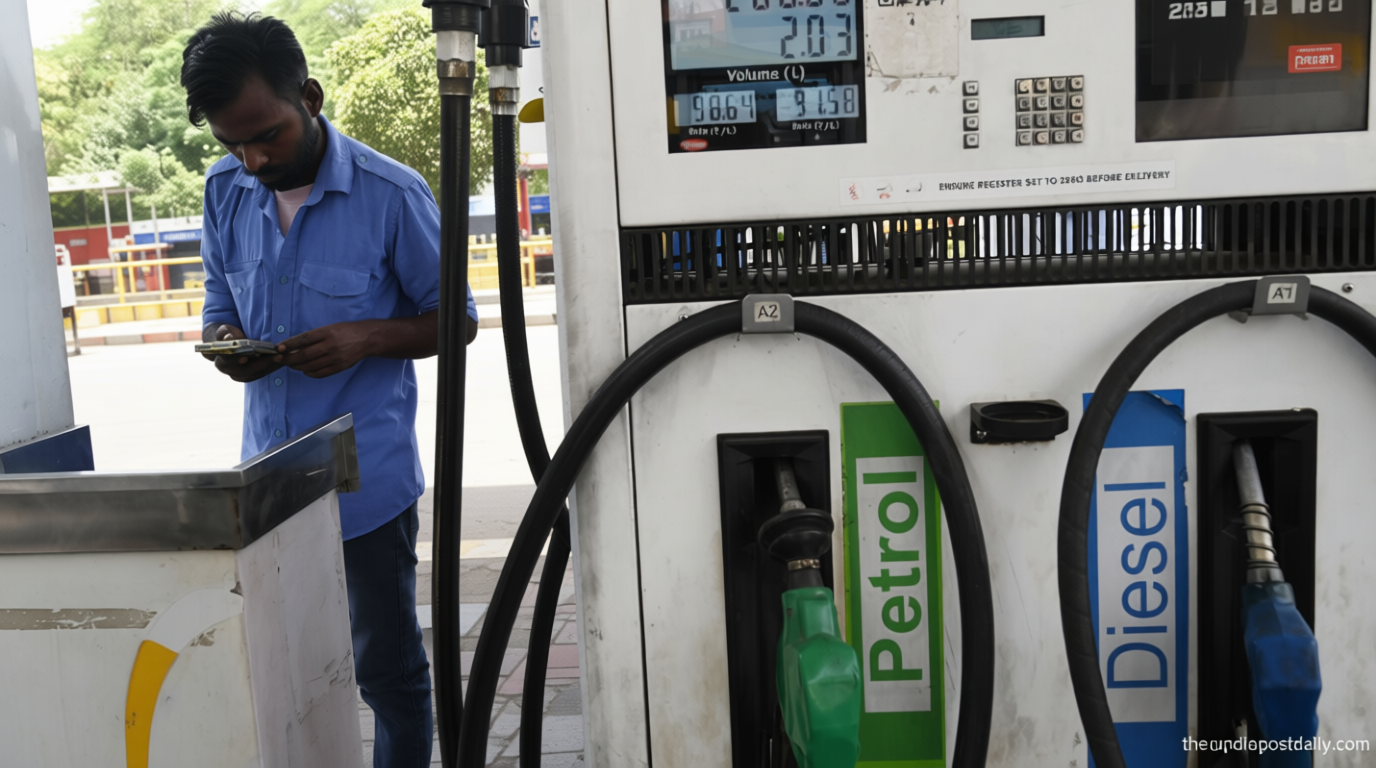
Petrol Diesel Prices Today: Latest Rates in Key Indian Cities
Theindiapostdaily.com – As of June 12, petrol and diesel prices across Indian cities remain relatively stable, with minimal changes observed in Delhi, Mumbai, Bengaluru, Kolkata, and other major metropolitan areas. This consistency in fuel costs comes amid global fluctuations in energy prices, influenced by geopolitical tensions such as the US-Israeli conflict over Iran and concerns about the Strait of Hormuz. Despite these factors, consumers in key cities continue to face similar price levels, reflecting the broader economic challenges of the region.
Recent Price Trends and Historical Context
Over the past month, petrol and diesel prices have seen modest adjustments, with a notable ₹2.50 per litre increase on May 25. This brings the total rise since May 15 to over ₹7.50 per litre, underscoring a steady upward trend in fuel costs. For the last four years, fuel prices in India have reached their highest levels, yet prices have remained unchanged for two years, save for a single ₹2 per litre cut in March 2024. The recent surge raises questions about the long-term sustainability of these rates and their impact on both households and industries.
Global Conflicts and Their Influence on Supply Chains
India’s reliance on Gulf imports for 40% of its crude oil, 65% of natural gas, and 90% of LPG has made it vulnerable to global disruptions. The ongoing conflicts in the Middle East, particularly the US-Israeli tensions, have heightened concerns about oil supply chains. While these geopolitical factors have contributed to rising costs, the government has responded by promoting ethanol blending in petrol. This initiative has increased the ethanol share from 1.53% in ESY 2014-15 to 20% in ESY 2025-26, aiming to reduce dependence on fossil fuels and stabilize prices.
Special Promotions for Mumbai Commuters
Mumbai residents may benefit from a unique initiative launched by the Maharashtra Navnirman Sena (MNS), which partners with 36 petrol pumps to offer discounted petrol rates for two-wheeler riders starting at 9 am on June 14. This campaign aligns with Raj Thackeray’s 58th birthday and is tailored to address local transportation costs. While the promotion is limited to the city, it highlights efforts to mitigate the financial burden on daily commuters during a period of rising fuel prices.
Government Measures to Control Retail Price Gaps
Effective June 11, the government has introduced new rules to bridge the gap between retail and bulk fuel prices. Industrial, commercial, and institutional buyers are now restricted to purchasing only from designated bulk sale points, reducing price disparities. For example, in Delhi, bulk diesel is priced at ₹134.50 per litre, while retail stations charge as low as ₹95.20. This policy aims to protect consumers from sharp price spikes and ensure that essential services receive fuel at competitive rates.
“Abnormal sales growth of Motor Spirit and High Speed Diesel through retail outlets has been driven by industrial consumers shifting to these channels due to pricing gaps,” stated the Ministry of Petroleum and Natural Gas in its directive. The regulation also limits retail sales to 200 litres per customer or vehicle daily, requiring purchases to be made in approved containers. These measures are designed to balance market demand and prevent retail price volatility.
Comparative Fuel Costs Across Major Cities
While prices have remained steady, regional variations persist. In Delhi, the cost of petrol and diesel reflects the city’s central role in the national economy. Mumbai’s unique promotion suggests local efforts to counteract rising prices, whereas Bengaluru and Kolkata see prices influenced by both domestic and international factors. Comparing these cities’ fuel costs provides insight into how different economic and logistical conditions affect consumers. The focus on petrol diesel prices today underscores the need for ongoing monitoring and adaptive policies to address these disparities.
Consumer Impact and Future Outlook
The sustained increase in petrol diesel prices today has sparked discussions about their broader economic implications. Higher fuel costs directly impact transportation expenses, which in turn affect goods and services across sectors. With inflationary pressures mounting, the government faces the challenge of balancing fiscal responsibility with consumer affordability. Analysts suggest that continued monitoring of global oil markets and domestic policy adjustments will be crucial in determining future trends in petrol diesel prices today. As the economy adapts, the role of fuel pricing in shaping consumer behavior and industrial costs will remain a focal point for policymakers.