Centre asks drought-hit states to rethink rabi crop plans
With the rabi planting season nearing, the Union government has asked states experiencing water stress to revise their crop plans around actual irrigation
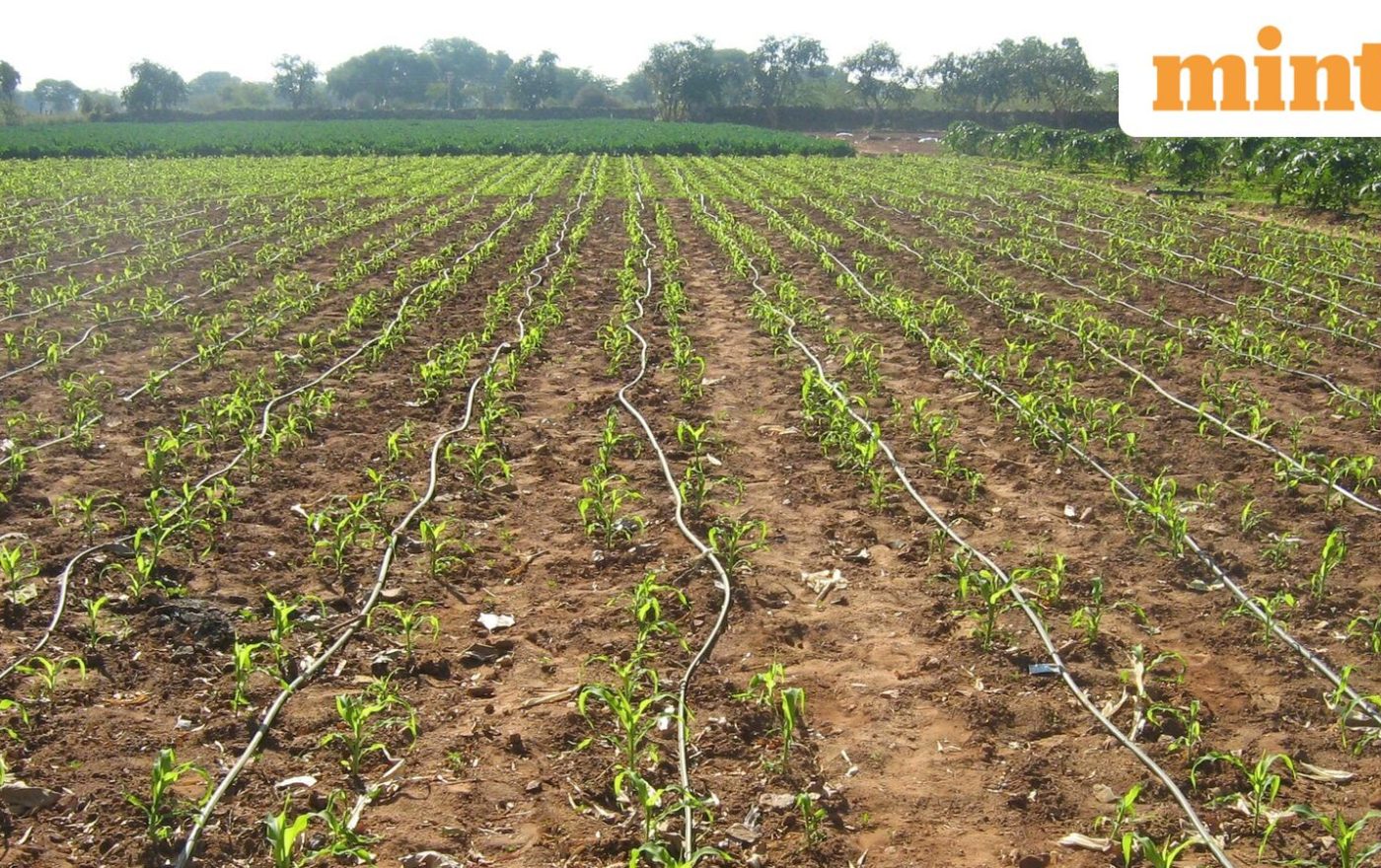
Centre Urges Water-Conscious Rabi Strategy in Drought-Affected States
Theindiapostdaily.com – With the rabi planting season nearing, the Union government has asked states experiencing water stress to revise their crop plans around actual irrigation supplies and soil moisture levels. The move is aimed at reducing the chance of crop damage in areas where rainfall has been uneven and drought-like conditions are already affecting farming decisions.
Agriculture minister Shivraj Singh Chouhan raised the issue during the two-day National Agriculture Conference–Rabi Campaign 2026 in New Delhi. He said crop selection for the coming season must begin with a clear assessment of available water, rather than follow traditional planting patterns that may not suit current conditions.
Maharashtra, Karnataka, Telangana and Andhra Pradesh have emerged as key areas of concern. Water shortages and inadequate rainfall have increased pressure on farmers preparing for winter crops, particularly where irrigation reserves are limited.
Maharashtra and Karnataka Face Heightened Concern
Chouhan expressed particular concern about Maharashtra and Karnataka. Nearly two-thirds of Maharashtra’s geographical area has been affected by drought, the agriculture ministry has indicated. Maharashtra has already announced drought conditions at the state level, while Karnataka continues to face difficult conditions in several areas.
A central assessment team is scheduled to visit Karnataka on 3 October to examine the situation on the ground. Another team will be sent to Maharashtra, and the agriculture minister said he would also travel to affected states. Such visits are intended to help authorities understand local water availability, cropping patterns and the immediate needs of growers before rabi sowing advances.
The warning comes even though the national rainfall shortfall has not yet reached a level that threatens water supplies across the entire country. The challenge is that rainfall has been highly uneven. Some farming regions have received enough moisture, while others are dealing with dry soil, lower reservoir availability and reduced irrigation confidence.
Monsoon Deficit Adds Pressure to Crop Decisions
From 1 June to 27 September, cumulative south-west monsoon rainfall stood at 755.7 mm, compared with a normal level of 857.5 mm. This represents a 12% deficit. For farmers, the effect of a seasonal deficit is not always uniform: timing and geographical distribution of rain can be as important as the overall total.
The uneven monsoon has already affected kharif sowing. As of 18 September, farmers had planted kharif crops across 110.39 million hectares, a decline of 1.3% from the previous year. That reduction equals roughly 1.5 million hectares. Rice, maize, sugarcane and cotton were among the major crops where planted area fell.
Rabi agriculture is especially important for food security and farm incomes. It contributed 48% of India’s total foodgrain production of 376 million tonnes in 2025-26. A weak rabi season in water-stressed districts could therefore affect both local farming households and wider supply planning.
Less Water-Intensive Crops in Focus
The Centre has asked state governments to evaluate moisture conditions and water resources before approving seasonal crop plans. Areas facing shortages are being encouraged to shift toward crops that can be grown with comparatively lower water use.
Pulses and oilseeds have been identified as priority options in such regions. Besides requiring less water than many conventional crops, they can support crop diversification and contribute to India’s efforts to strengthen domestic availability of edible oils and protein-rich pulses.
Land that remains unused after paddy cultivation may also be suitable for pulses and oilseeds during the rabi period, where local conditions permit. The approach is intended to make productive use of available land without placing excessive demand on already strained irrigation systems.
States have also been asked to prepare separate plans for rainfed and irrigated areas. This distinction matters because farmers relying solely on rainfall face different risks from those with access to canals, wells or other irrigation infrastructure. A uniform crop recommendation can expose growers to avoidable losses when moisture conditions vary sharply within the same state or district.
Procurement Support Could Back Crop Diversification
Crop planning will be accompanied by an emphasis on procurement arrangements. Farmers may be more willing to move toward pulses and oilseeds when they have confidence that their produce can be purchased after harvest.
Chouhan said agencies including the National Agricultural Cooperative Marketing Federation of India, known as Nafed, and the National Cooperative Consumers Federation of India, or NCCF, can purchase pulses and oilseeds directly from growers if state governments do not begin procurement on time. States would need to facilitate the process.
The broader message from the Centre is that rabi planning must be guided by local realities. Water availability, soil moisture, irrigation access and crop suitability will need to shape decisions in drought-hit areas. For farmers, early clarity on recommended crops, seed availability and procurement support may be crucial as they prepare for a season marked by uncertainty over water.
Related Reading
Frequently Asked Questions
What is Centre asks drought hit states to rethink?
Centre asks drought hit states to rethink is the main topic of this guide. The article explains the context, practical details, and next steps readers should understand.
Why does Centre asks drought hit states to rethink matter?
Centre asks drought hit states to rethink matters because readers are looking for a useful answer, not just a short summary. Good content should match search intent and help them decide what to do next.