‘Iran war costs US $45.1 billion’, surpassing Pentagon’s $38 billion estimate: Report
The financial burden of the US conflict with Iran has climbed to $45.1 billion, a figure that exceeds an earlier $38 billion estimate for the war’s costs
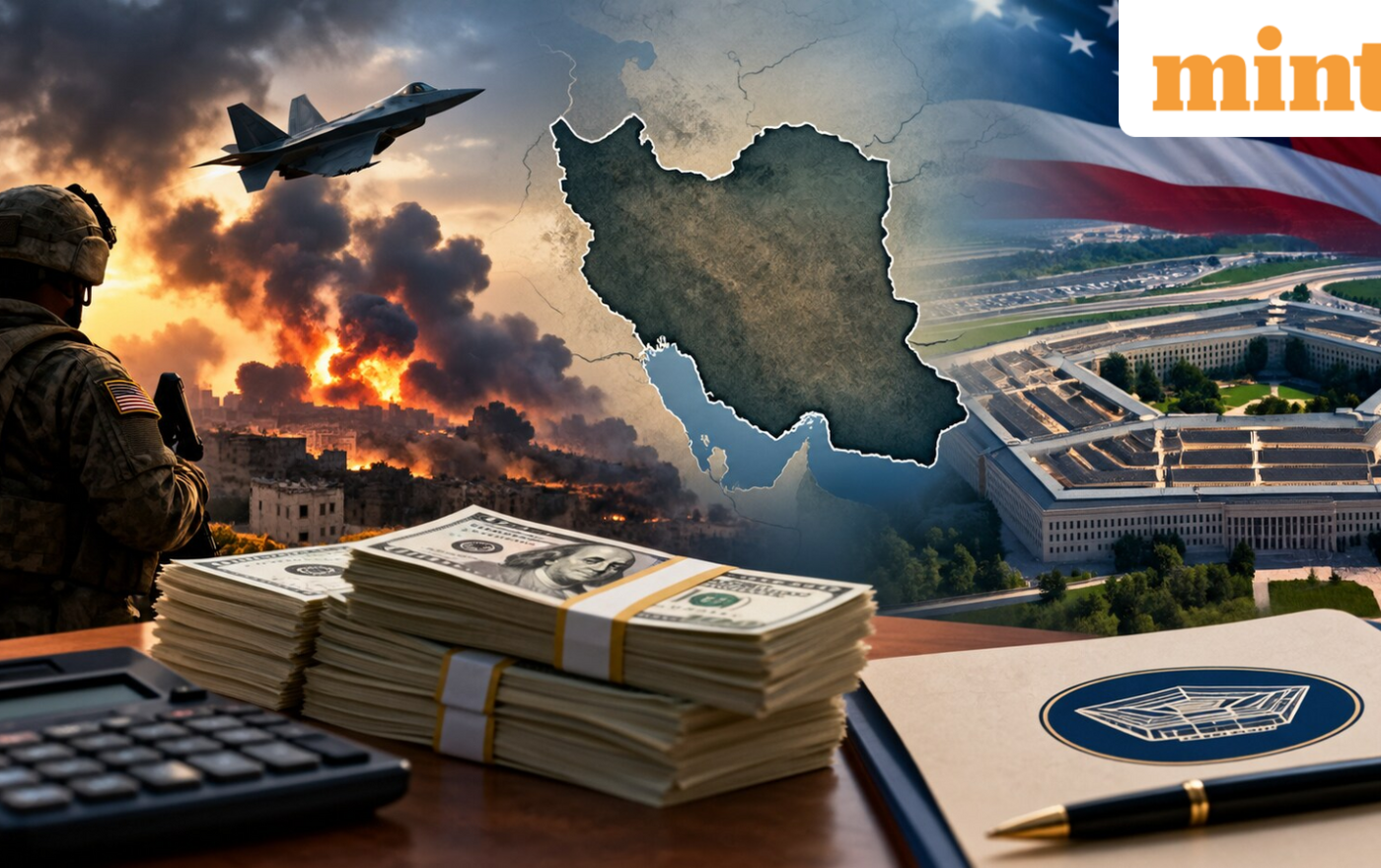
US Spending on Iran Conflict Reaches $45.1 Billion
Theindiapostdaily.com – The financial burden of the US conflict with Iran has climbed to $45.1 billion, a figure that exceeds an earlier $38 billion estimate for the war’s costs through August 1. The updated total reflects the growing expense of maintaining military operations, replacing equipment and munitions, and meeting expanded fuel needs.
The Pentagon provided the latest spending information to Congress on Friday. Its figures put conflict-related costs at $43.6 billion as of September 3, followed by a further $1.5 billion for additional fuel requirements. The stated total does not cover repairs to installations or a wider range of operational expenses, meaning the eventual bill could rise further.
The new assessment is also higher than the Pentagon’s July estimate, when the department placed the cost of the war at $37.5 billion. The increase illustrates how quickly expenditures can build even after the most intense stage of fighting has passed.
What the Congressional Budget Office estimated
In its September 15, 2026 report, the Congressional Budget Office said the Department of Defense had spent about $38 billion on operational, logistics and sustainment requirements related to the Iran conflict as of August 1.
That estimate included replacement costs for munitions used during combat and equipment destroyed in battle. It also accounted for greater aircraft flying activity, expanded military operations and higher fuel consumption.
The budget office noted that the initial high-intensity period lasted a little more than one month. Lower-intensity military activity has continued since then, but the number of US personnel involved has remained far smaller than the forces deployed during the lengthy wars in Iraq and Afghanistan.
“that the initial, intense phase of the conflict lasted just over a month (less intense combat operations are still ongoing) and that relatively few US forces have been involved compared with the much larger and longer US operations in Iraq and Afghanistan.”
The CBO figure did not attempt to capture every cost connected to the conflict. It excluded expenses paid by other federal agencies, including increased fuel costs for the Postal Service. It also left out normal military operating costs already funded through the federal budget, such as the basic expenses of forces participating in the operation.
That distinction matters for readers assessing the overall economic weight of the war. A military-cost estimate can measure the direct demands placed on the Defense Department without fully representing the broader effects on government agencies, households, businesses and financial markets.
Monthly costs may continue to rise
The CBO expects the conflict to keep adding to US spending beyond August 1. Its projection places ongoing costs at roughly $2 billion to $3 billion a month, although the eventual pace will depend heavily on the scale and intensity of military activity.
“slowly if the level of violence remains low and sporadic [as it did in May and June] and rapidly if the intensity of the conflict escalates [as it did in July].”
A renewed escalation could push monthly costs above that range. Even in periods of lower violence, military operations can require substantial outlays for fuel, maintenance, logistics, surveillance, personnel support and the replenishment of equipment used during earlier phases of fighting.
The difference between the Pentagon’s $45.1 billion update and the CBO’s $38 billion estimate should not automatically be read as a contradiction. The estimates cover different reporting points and may include different categories of spending. The Pentagon figure extends beyond the CBO’s August 1 cutoff and specifically identifies supplemental fuel needs after September 3.
Economic Effects Extend Beyond Defense Spending
The conflict’s consequences are not limited to the Pentagon’s budget. The CBO has warned that disruptions affecting energy shipments could lift inflation during the first quarter of 2027, adding pressure at a time when concerns about the cost of living and the broader economy remain significant for many Americans.
The primary economic channel identified by the budget office is reduced oil and natural-gas movement through the Strait of Hormuz, along with shipping disruptions in the Red Sea. Both waterways are important routes for global energy supplies and commercial trade. When energy shipments are constrained, the resulting rise in prices can spread through transport, manufacturing and household spending.
“inflationary pressures caused by the reduction in shipments of oil and natural gas through the Strait of Hormuz and disruptions to shipping through the Red Sea.”
Higher global energy prices are expected to feed into consumer prices in the United States. The CBO now estimates that year-over-year inflation in the personal consumption expenditures price index will be 0.5 percentage points higher in the first quarter of 2027 than it forecast in February 2026. Core PCE inflation, which excludes food and energy prices, is projected to be 0.3 percentage points higher than previously expected.
“As a result, in the first quarter of 2027, inflation [measured year over year] in the price index for personal consumption expenditures (PCE) is now estimated to be 0.5 percentagepoints higher than the agency projected in February 2026, and core PCE inflation is estimated to be 0.3 percentage points higher than previously projected.”
The inflation outlook has implications beyond prices paid at the pump or on utility bills. Persistent energy-driven price increases can affect the cost of transporting goods, running businesses and delivering services. They can also complicate efforts to bring inflation down across the economy.
The CBO further expects inflation linked to the conflict to contribute to higher interest rates on Treasury securities. Its assessment indicates that yields on three-month Treasury bills are nearly 0.2 percentage points higher in 2026 than previously estimated. Higher Treasury rates can influence borrowing costs more broadly, including rates tied to consumer credit, business financing and government debt.
For now, the $45.1 billion figure offers the clearest indication of the war’s direct financial demands on the United States. But the final cost will depend on the duration of military operations, the need for replacement equipment and fuel, the condition of affected installations, and whether the conflict remains limited or intensifies again.
Related Reading
Frequently Asked Questions
What is Iran war costs US 45 1 billion?
Iran war costs US 45 1 billion is the main topic of this guide. The article explains the context, practical details, and next steps readers should understand.
Why does Iran war costs US 45 1 billion matter?
Iran war costs US 45 1 billion matters because readers are looking for a useful answer, not just a short summary. Good content should match search intent and help them decide what to do next.