India’s steel exporters get wider EU access even before FTA kicks in
Indian steel exporters may receive a broader opening in the European market before the proposed India-European Union free trade agreement becomes operational
Indian Steel Makers May Gain Earlier Duty-Free Room in Europe
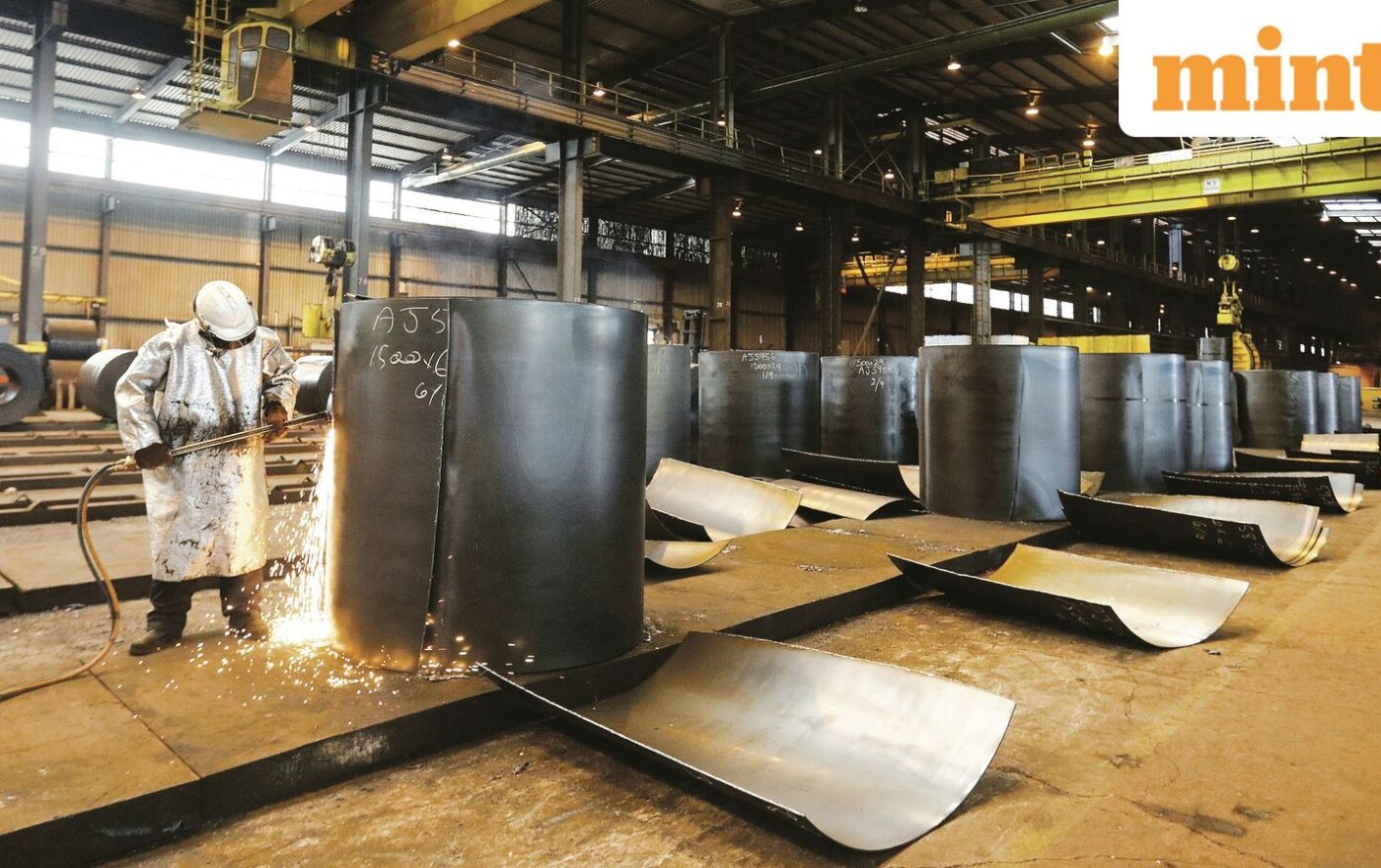
Theindiapostdaily.com – Indian steel exporters may receive a broader opening in the European market before the proposed India-European Union free trade agreement becomes operational. A new quota framework could allow annual shipments of as much as 2.8 million tonnes to enter the EU without customs duty, giving producers an earlier opportunity to expand sales into one of the world’s most important steel-consuming regions.
The potential access is notable because trade agreements often take time to move from political understanding to formal implementation. For Indian mills and exporters, a separate quota-based arrangement could create commercial space ahead of the FTA’s eventual entry into force. It may also give companies more certainty when planning export orders, customer relationships and product positioning in Europe.
A quota route before the broader agreement
The proposed annual allowance of up to 2.8 million tonnes would cover duty-free steel shipments to the EU. In practical terms, a quota does not create unlimited access: exporters must remain within the specified volume. But for businesses that can secure orders within the available allocation, the removal of duty can improve the competitiveness of Indian material compared with products facing normal import charges.
The arrangement would sit alongside the larger India-EU FTA process rather than replacing it. A free trade agreement is designed to set wider rules for commerce between the two economies, potentially covering tariffs, market access and other trade disciplines. The quota mechanism points to a more immediate effort to address steel trade while the broader agreement is still pending.
For exporters, timing matters. Steel trade is shaped by changing demand from construction, infrastructure, engineering, automotive manufacturing and machinery production. An importer deciding where to buy steel weighs not only the mill price, freight cost and delivery schedule, but also customs duties and regulatory requirements. Duty-free treatment within a quota can therefore influence where a European buyer places an order.
Why the EU market matters
The European Union remains a major destination for internationally traded industrial goods and a significant market for value-added steel products. Indian producers supply a range of steel categories, from flat products used in manufacturing to long products associated with construction and engineering applications. Greater access could support exporters seeking to diversify their overseas customer base.
Europe is also a demanding market. Buyers typically expect consistent quality, dependable logistics and adherence to technical specifications. Export opportunities created through a quota would not automatically translate into shipments; suppliers would still need to meet commercial requirements and compete with domestic European producers as well as other overseas sellers.
The new regime may be especially relevant for companies that already have established European clients. These exporters may be better positioned to use the available volume because they understand product standards, shipping schedules and buyer expectations. At the same time, a clearer duty-free pathway could encourage more Indian firms to assess whether particular grades and products can be sold profitably in the region.
Benefits, limits and planning considerations
A 2.8 million-tonne ceiling is substantial, yet it also means access would be finite. Businesses will need to monitor how quota volumes are administered and how quickly they are used. If demand is strong, the available allocation could become an important commercial consideration for exporters and importers alike.
Price conditions will remain central. Steel is a cyclical commodity, and export decisions can change quickly when global prices, energy costs, freight rates or regional demand move. Duty-free entry can improve an exporter’s position, but it does not eliminate the risks associated with volatile markets. Companies will still have to judge whether European orders offer adequate returns after production, transport and compliance costs are taken into account.
For Indian steelmakers, the prospect of earlier EU access also highlights the value of export diversification. Domestic demand is important to the industry, but overseas markets can provide an additional outlet when producers seek to balance sales across regions. A stronger presence in Europe could reduce dependence on any one destination, provided exporters can maintain competitiveness and manage the conditions attached to the quota.
A signal for wider trade ties
The quota proposal carries significance beyond steel. It suggests that India and the EU are looking for practical ways to advance commercial engagement even before the full FTA takes effect. Sector-specific progress can help businesses prepare for a broader trading relationship by giving them experience with new market-access arrangements and encouraging longer-term buyer-supplier ties.
The eventual impact will depend on the detailed operation of the quota regime, the pace of FTA implementation and conditions in the steel market. Still, the possibility of duty-free annual exports of up to 2.8 million tonnes represents a meaningful opportunity for Indian suppliers. It offers the industry a potentially earlier doorway into Europe while the larger trade agreement continues its path toward implementation.
Related Reading
Frequently Asked Questions
What is India s steel exporters get wider?
India s steel exporters get wider is the main topic of this guide. The article explains the context, practical details, and next steps readers should understand.
Why does India s steel exporters get wider matter?
India s steel exporters get wider matters because readers are looking for a useful answer, not just a short summary. Good content should match search intent and help them decide what to do next.