UPI transaction charges: Petrol pump dealers seek full MDR exemption on payments above ₹2,000
Petrol pump operators across India have asked the Union Finance Minister to remove Merchant Discount Rate (MDR) charges on larger UPI payments, arguing that
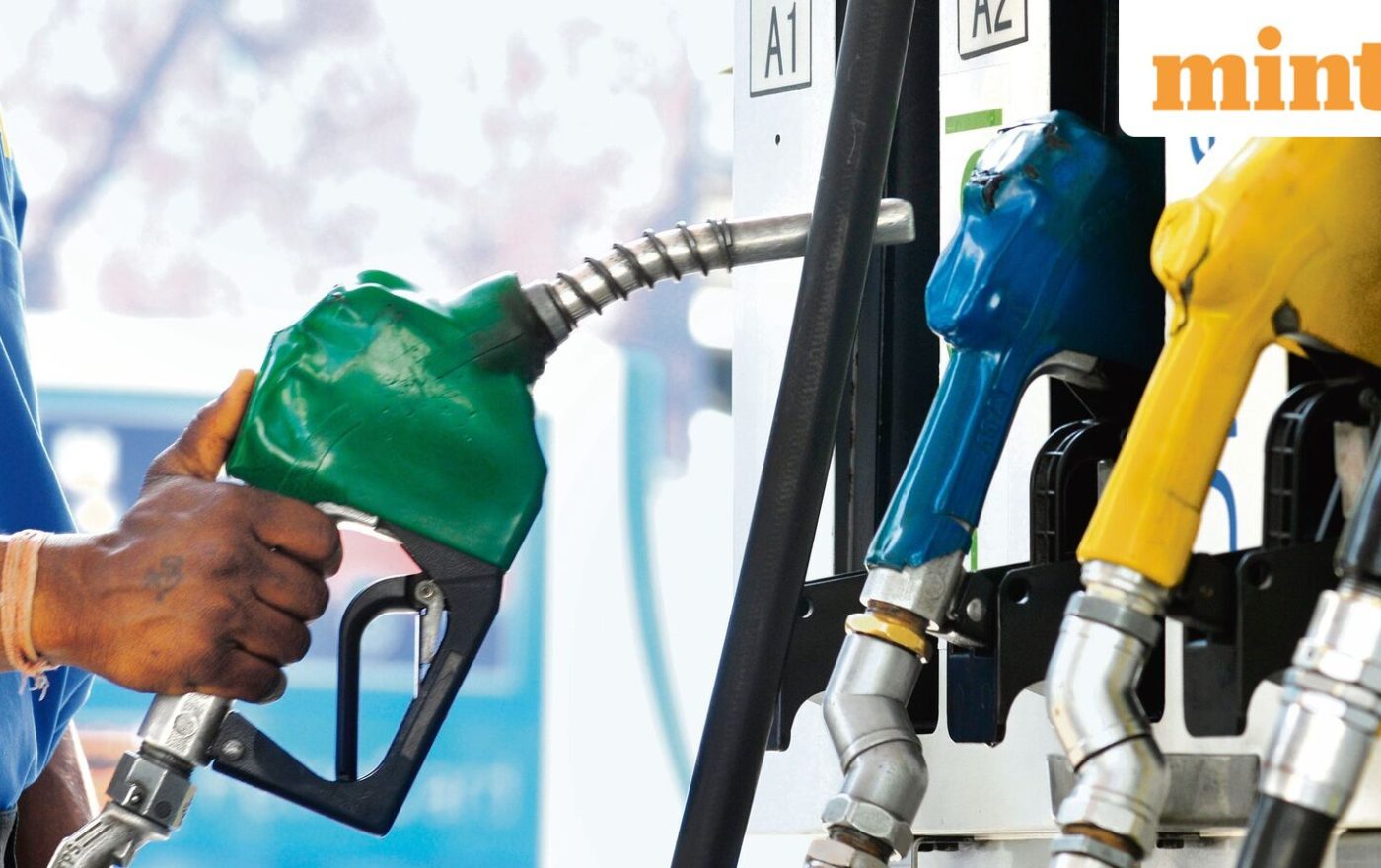
Fuel Dealers Press for Relief on UPI Charges Above ₹2,000
Theindiapostdaily.com – Petrol pump operators across India have asked the Union Finance Minister to remove Merchant Discount Rate (MDR) charges on larger UPI payments, arguing that new transaction costs could further squeeze already limited dealer earnings.
The All India Petroleum Dealers Association submitted its appeal in a letter sent on Wednesday. Association President Ajay Bansal called for immediate government action to protect fuel retailers from payment-processing charges on UPI transactions exceeding ₹2,000.
For fuel dealers, the concern is rooted in the way their businesses are paid. Their margins are generally decided by oil marketing companies under the Ministry of Petroleum and Natural Gas framework, and are calculated largely on the volume of fuel sold. A higher bill value does not automatically produce a proportionately higher income for the outlet operator.
“Dealer margins are determined by the Oil Marketing Companies (OMCs) under the guidance of the Ministry of Petroleum and Natural Gas and are primarily fixed on a per-litre basis, rather than as a percentage of the transaction value.”
The association said this structure leaves dealers unable to offset transaction-based charges by increasing income from a more expensive sale. Whether a customer pays by cash, card or UPI, the retailer’s core margin on each litre remains tied to the fuel volume rather than to the payment method used.
Why the proposed fees matter to petrol pumps
Even a small fee can become significant at a busy fuel station, where digital payments are processed throughout the day. The association warned that a fixed charge of ₹5 for each UPI payment above ₹2,000 could create a substantial recurring expense when multiplied across large daily transaction volumes.
A percentage-based MDR of up to 0.4% would be even more difficult for fuel retailers to absorb, the letter said. Since petroleum outlets often handle high-value payments, especially for vehicles with larger fuel requirements, a levy linked to the bill amount could consume a noticeable part of the dealer’s limited per-litre commission.
“Even a seemingly modest fixed charge of ₹5 per UPI transaction above ₹2,000 would have a substantial cumulative impact.”
The dealers’ association also highlighted the pressure from operating costs. Dealer commissions have not been revised since October 2017, it said, while expenses such as electricity, employee salaries and compliance-related spending have risen sharply over the same period.
Petrol pump owners have held discussions with oil marketing companies in an effort to address the issue, but the association said those engagements have not produced a solution. As a result, operators say their profitability is becoming increasingly thin despite the growth in digital transactions at fuel outlets.
Two options proposed to the government
The association has placed two possible policy approaches before the Centre. Its preferred option is a broad exemption from MDR and all related transaction fees for every UPI payment accepted at petroleum retail outlets, irrespective of the amount paid.
If the government chooses to retain a transaction threshold, the association wants fuel stations to receive a clear exemption from both fixed charges and percentage-based MDR for UPI payments above ₹2,000.
The request reflects a wider tension in digital commerce: customers value fast, cashless payment options, while merchants focus on the cost of accepting those payments. At petrol pumps, that debate is particularly sensitive because fuel retailers operate with margins that are not directly linked to the final amount collected from a customer.
Digital payments and consumer convenience
UPI has become a familiar option at fuel stations, allowing motorists to complete payments without carrying cash or using a card. Dealers acknowledge that digital methods improve ease of payment, operational efficiency and transparency in retail transactions.
“Digital payments have significantly enhanced customer convenience, transaction transparency and operational efficiency in fuel retailing.”
However, the association maintains that retailers should not bear costs that make the use of digital payments financially unsustainable. It noted that petroleum retail has previously received special exemptions for card transactions, and argued that the same recognition of the sector’s economics should extend to high-value UPI payments.
Fuel dealers have warned that, without relief, some outlets could be pushed to discourage or limit UPI payments beyond certain amounts. Such a response could make payments less convenient for consumers and run counter to efforts to expand digital payment use in everyday transactions.
The association’s position is that a full MDR exemption would allow petrol pumps to keep offering UPI freely while protecting the viability of smaller and high-volume outlets alike. It has urged the Finance Ministry to intervene quickly so that the growth of cashless payments does not translate into an additional burden for dealers whose commissions have remained unchanged for years.
Related Reading
Frequently Asked Questions
What is UPI transaction charges?
UPI transaction charges is the main topic of this guide. The article explains the context, practical details, and next steps readers should understand.
Why does UPI transaction charges matter?
UPI transaction charges matters because readers are looking for a useful answer, not just a short summary. Good content should match search intent and help them decide what to do next.