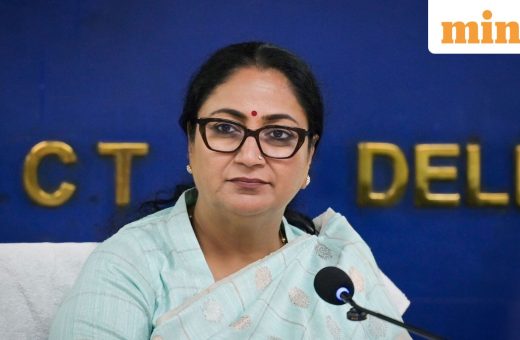
India says US attack on ships off Oman coast ‘must cease and end’, lodges strong protest
India Condemns U.S. Attacks on Ships Off Oman Coast, Demands Immediate Cease Theindiapostdaily.com – India has issued a strong protest against recent U.S. attacks on ships in the region, emphasizing…
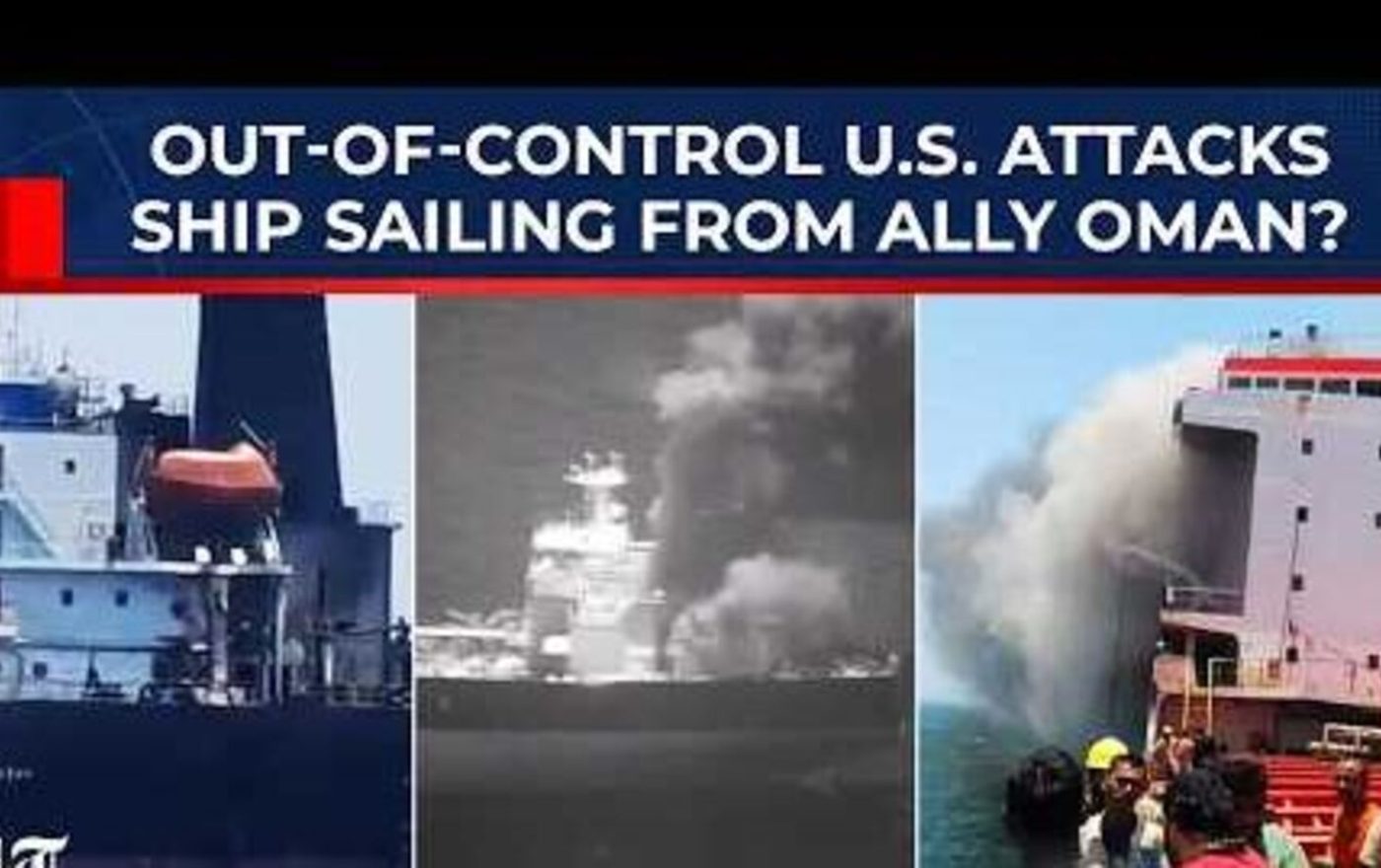
India Condemns U.S. Attacks on Ships Off Oman Coast, Demands Immediate Cease
Theindiapostdaily.com – India has issued a strong protest against recent U.S. attacks on ships in the region, emphasizing that the strikes off Oman’s coast must cease and end immediately. In a statement from the Ministry of External Affairs (MEA), spokesperson Randhir Jaiswal reiterated that the United States should halt its military actions targeting vessels transporting Indian sailors, which have raised concerns about the safety of maritime operations in the Indian Ocean and the Arabian Sea. The focus keyword India says US attack on ships underscores the nation’s urgency to address the escalating tensions and protect its vital trade routes.
Context of the Attacks and Impact on Indian Crews
The latest incident occurred when U.S. forces launched an attack on the Palau-flagged MT Settebello near the Strait of Hormuz, resulting in the tragic loss of three Indian seafarers. This event has intensified India’s concerns over the ongoing military activities by the U.S. in the region. The Central Command of the U.S. military confirmed the strike, stating the vessel had violated Iranian port blockades by attempting to transport oil from Iran. This marks the third such attack involving Indian crew members, with similar incidents targeting the Guinea-Bissau-flagged MT Jalveer and the Bangladeshi-flagged MT Teghoria, both of which carried significant numbers of Indian nationals.
“The attacks on ships off Oman’s coast have not only endangered our crew but also undermined the principles of international maritime law,” Jaiswal stated. “India calls upon the U.S. to exercise restraint and ensure the safety of vessels operating in the region, regardless of their national flag.”
India’s Diplomatic and Strategic Response
Following the incident, India took swift diplomatic action by summoning the U.S. Chargé d’Affaires in New Delhi to discuss the matter. The MEA highlighted the strategic importance of the Strait of Hormuz, a critical chokepoint for global oil trade, and stressed that the U.S. should maintain open communication with India to prevent further disruptions. Jaiswal also pointed out that these attacks are part of a broader pattern of military operations in the region, which have increasingly involved Indian merchant ships as targets. “Our priority is to safeguard the lives of Indian sailors and uphold the stability of international trade,” he added.
“India is committed to peaceful resolution of disputes, but we cannot ignore the threat posed to our shipping industry,” Jaiswal remarked. “The U.S. must recognize the role of India in regional security and align its actions with the interests of all nations.”
Historical Precedents and Growing Concerns
India’s criticism of U.S. actions is not new. Over the past year, the nation has raised concerns about the frequency of strikes on vessels in the Persian Gulf and the Gulf of Oman. The MT Jalveer, which was attacked earlier in the year, had 20 Indian crew members aboard, while the MT Teghoria incident involved 16 sailors. These attacks have heightened India’s focus on maritime security, prompting discussions about the need for a coordinated response with allies like the U.S. and other Gulf nations. The MEA also emphasized that the U.S. has a responsibility to ensure that its military campaigns do not inadvertently harm neutral shipping.
“The U.S. has consistently supported India’s maritime security initiatives, yet these attacks reveal a disconnect between rhetoric and action,” a senior Indian official noted. “We urge the U.S. to prioritize dialogue and address the security risks faced by Indian seafarers.”
Geopolitical Implications and Regional Stability
The U.S. attacks on ships off Oman’s coast have sparked debates about the balance between military intervention and international law. While the U.S. has justified its actions as part of a broader campaign against Iran’s naval capabilities, India has highlighted the collateral damage to civilian shipping. The MEA also mentioned the importance of maintaining stability in the Gulf region, where India’s trade interests are deeply intertwined with the economic and political dynamics of neighboring countries. “These incidents threaten not only our personnel but also the flow of essential goods,” Jaiswal said. “We are determined to hold the U.S. accountable for any harm caused to Indian maritime assets.”
“India is a key player in the region’s security framework, and the U.S. should collaborate with us to protect trade corridors,” Jaiswal added. “The focus keyword India says US attack on ships reflects our shared commitment to a stable and secure maritime environment.”
Future Steps and Calls for Accountability
India has pledged to continue monitoring the situation closely and is considering additional measures to protect its seafarers. These may include diplomatic protests, economic sanctions, or increased coordination with international maritime bodies. The MEA has also emphasized the need for transparency in the U.S. military operations, urging the government to provide clear justifications for targeting Indian vessels. “We will not hesitate to take all necessary steps to ensure the safety of our sailors and the integrity of our trade routes,” Jaiswal said. “The focus keyword India says US attack on ships is central to our message of unity and determination.”