‘Strong dollar is not a price on a screen’: Bessent defends US currency as global transactions rise
US Treasury Secretary Scott Bessent told lawmakers on Tuesday, September 15, that the dollar’s international standing remains secure, arguing that its
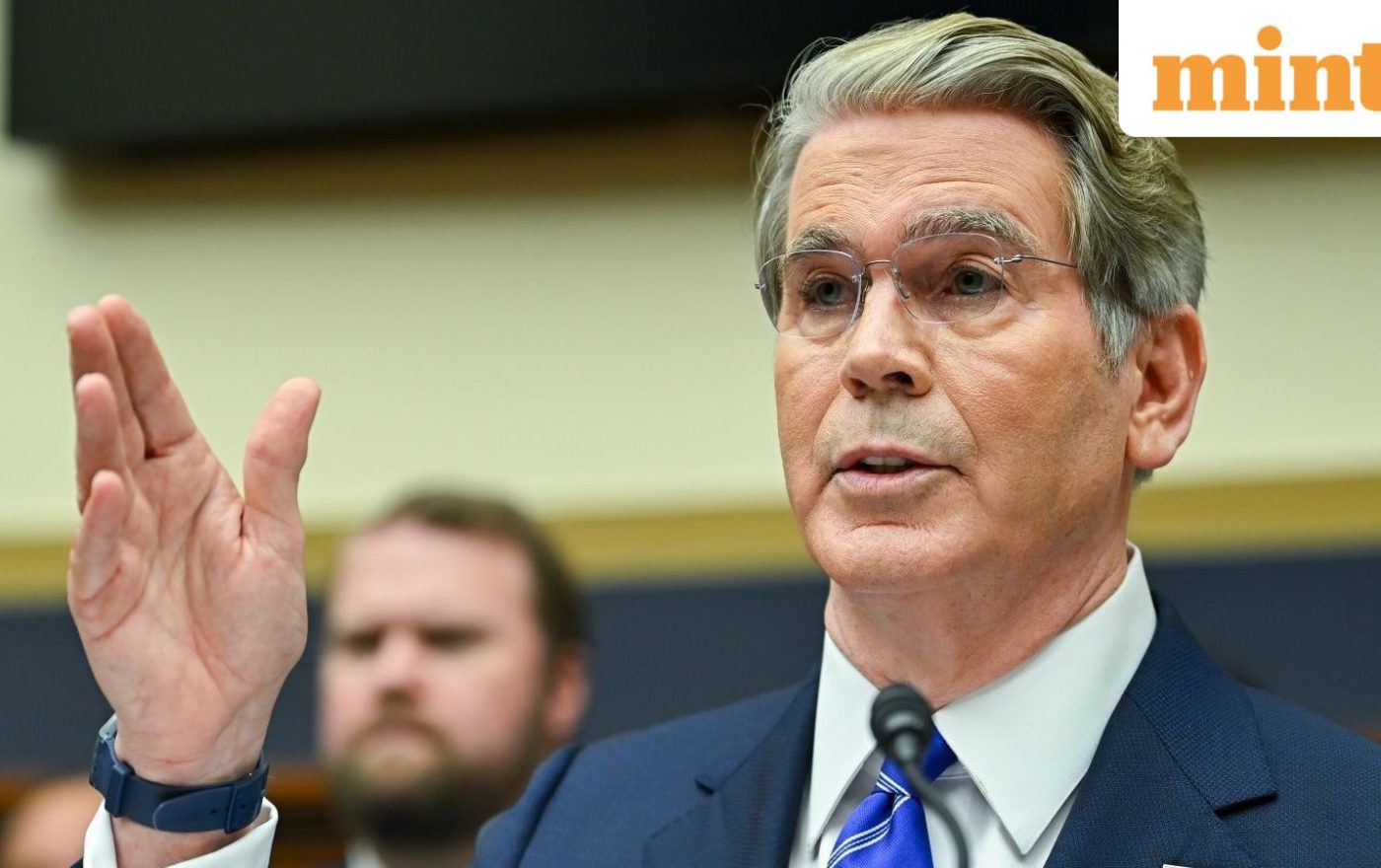
Bessent Calls Dollar Strength a Matter of Confidence and Policy
Theindiapostdaily.com – US Treasury Secretary Scott Bessent told lawmakers on Tuesday, September 15, that the dollar’s international standing remains secure, arguing that its strength is reflected in how governments, investors and businesses use it around the world rather than in a single exchange-rate reading.
Speaking before the House Financial Services Committee, Bessent said growing volumes of transactions conducted in dollars demonstrate continuing trust in the US financial system. He linked that confidence to the Trump administration’s approach to regulation, taxation, trade and energy policy, saying clearer conditions were drawing major pools of capital into the United States.
“A strong dollar is not a price on a screen; it is a set of behaviors,” Bessent said.
His comments came as global bond markets faced renewed pressure, with government borrowing costs climbing sharply in the United States and other major economies. The hearing, formally focused on the international financial system and reforms involving the International Monetary Fund and World Bank, also became a forum for questions about debt, Iran-related financial measures and the rise in sovereign yields.
Dollar Use Remains Central to Global Finance
Bessent acknowledged that some countries have reduced the share of their reserves held in US dollars. He said, however, that much of that shift has been driven by Russia and China, while the dollar’s broader role in cross-border commerce and financial markets has remained robust.
“Dollar continues to thrive as reserve currency, transaction volume in dollars has risen,” Bessent said.
The Treasury secretary’s argument distinguished between the dollar’s market price against other currencies and its deeper role in the global economy. Reserve-currency status is not determined only by whether the dollar rises or falls on a given day. It also depends on whether companies invoice trade in dollars, financial institutions settle transactions in dollars, investors seek US assets and central banks maintain dollar holdings.
For Bessent, the expanding level of dollar-denominated activity is evidence that the United States still offers a system that international participants view as credible. He said the administration’s policy agenda was intended to reinforce that confidence by reducing uncertainty in areas that affect long-term investment decisions.
Policy Certainty and Capital Flows
Bessent said a strong currency rests on predictable conditions for businesses and investors. He identified regulatory rules, tax policy, trade conditions and energy policy as central components of that environment.
“A strong dollar is a set of behaviors, including regulatory, tax, trade, energy certainty,” he said.
He said those efforts were helping attract trillions of dollars to the United States. The underlying message was that the dollar’s position is tied not merely to financial markets, but also to the perceived reliability of the country’s economic and legal framework.
That distinction is important for households and businesses because currency strength can have mixed effects. A stronger dollar can make imported goods and overseas travel relatively less expensive for Americans, while potentially making US exports more costly for foreign buyers. At the same time, the dollar’s central role in world markets can support demand for US government securities and other dollar-based assets.
Bond Market Pressure Takes Center Stage
Bessent’s defense of the dollar occurred as the US 10-year Treasury yield moved above 5% on Tuesday. The yield briefly reached 5.041%, the highest level since 2007, before slipping back to roughly 5%.
Higher Treasury yields translate into more expensive borrowing for the federal government and can influence interest rates across the economy, including rates connected to mortgages, corporate lending and other forms of credit. The move reflected concerns tied to rising oil prices, inflation risks and growing levels of global government debt.
Bessent described the latest increase in US yields as the result of “global issues,” but did not provide further detail about the particular drivers.
He also told the committee that the United States would have continued fiscal contraction this year without tariff refunds. Looking ahead, he said the administration could begin reducing US debt once the deficit-to-GDP ratio reaches 3%.
Borrowing Costs Rise Across Major Economies
The upward move in US yields was part of a broader increase in government borrowing costs. The average yield on 10-year government bonds across the Group of Seven economies reached 4.285%, its highest point since the middle of 2008. That average stood about one percentage point above where it was before the Iran war began.
Japan’s 10-year government bond yield rose beyond 3%, a level not seen in three decades. Germany’s 10-year benchmark yield stood near its highest level since 2009 at 3.55%, while France’s equivalent yield remained close to an 18-year high. In the United Kingdom, the 10-year yield reached 5.45%, the highest since 2007.
The broad rise has intensified attention on how governments will manage debt loads when refinancing becomes more expensive. Higher yields can raise budget pressure because governments must pay more to service outstanding debt as bonds mature and new securities are issued.
China, Iran and Debt Transparency
Bessent said the Treasury Department would continue advocating for more openness in debt-restructuring arrangements. He pointed to concerns over what he called hidden Chinese debt provisions, an issue that has become important in discussions involving sovereign borrowers and international lenders.
He also said the administration had conducted private discussions with China concerning Iranian financial links. Bessent added that President Donald Trump’s talks with Chinese President Xi Jinping on Iran would continue at a summit later this month.
The hearing itself was briefly interrupted by protesters demanding an end to US sanctions on Iran and the war. Several people rose individually during Bessent’s opening statement, causing him to stop and restart his remarks before they were removed from the room.
Despite the interruption, Bessent’s testimony emphasized a consistent theme: the dollar’s global position, in his view, rests on the continuing willingness of international actors to transact, invest and hold assets within the US financial system. With bond yields rising across advanced economies, that confidence and the cost of maintaining it are likely to remain central subjects in Washington and global markets.
Related Reading
Frequently Asked Questions
What is Strong dollar is not a price?
Strong dollar is not a price is the main topic of this guide. The article explains the context, practical details, and next steps readers should understand.
Why does Strong dollar is not a price matter?
Strong dollar is not a price matters because readers are looking for a useful answer, not just a short summary. Good content should match search intent and help them decide what to do next.