Techie uses fitness band data to find which coworkers stress him out most, internet is fascinated
Technologist Uses Fitness Band Data to Identify Stressful Coworkers, Sparks Online Discussion Techie uses fitness band data to find - A tech professional has
Technologist Uses Fitness Band Data to Identify Stressful Coworkers, Sparks Online Discussion
Theindiapostdaily.com – A tech professional has captured global attention by employing fitness band data to analyze which colleagues most significantly contribute to his stress levels. The innovative use of wearable technology, specifically heart rate metrics from a fitness tracker, has provided a unique lens into workplace dynamics. By linking biometric responses to work schedules, this experiment demonstrates how modern tech tools can quantify human emotions and interactions in the office environment.
How the Experiment Was Conducted
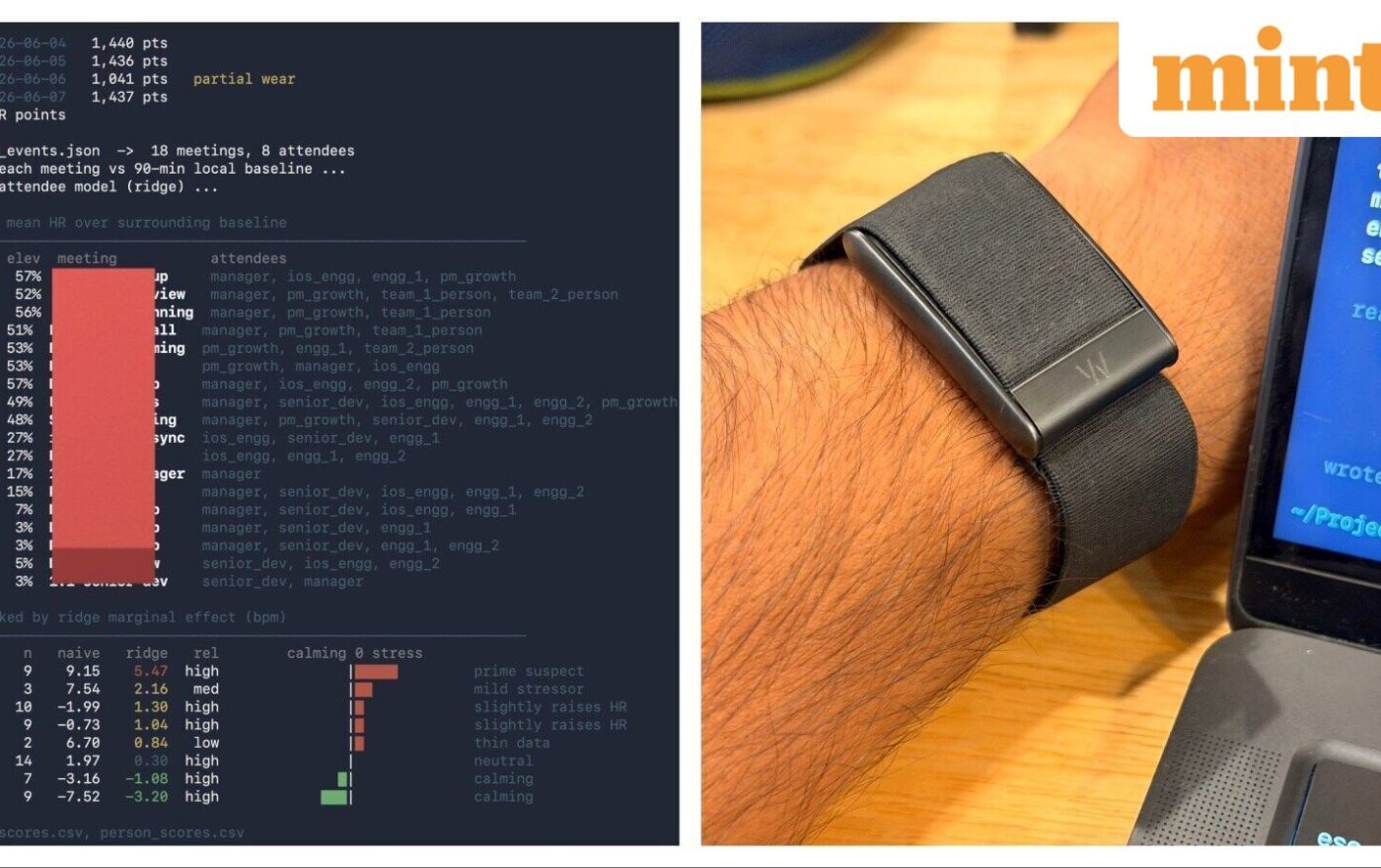
Pankaj Tanwar, a software engineer, designed a methodical process to track stress sources at his workplace. He synchronized his Whoop fitness tracker with his calendar app, allowing him to monitor real-time heart rate variability during meetings. This data was then analyzed to detect patterns, revealing which coworkers were associated with heightened stress spikes. The results, shared online, transformed raw biometric data into a visual stress leaderboard, offering an unexpected perspective on workplace relationships.
The methodology involved reverse-engineering the Whoop device using Fable, a tool for accessing detailed health metrics. Tanwar extracted heart rate data and cross-referenced it with meeting notes and attendee lists. By categorizing stress levels based on timing and participants, he created a personalized assessment of how colleagues impact his well-being. This approach highlights the potential of wearable tech to uncover hidden emotional triggers in professional settings.
Public Reaction and Online Engagement
The experiment quickly gained traction on social media platforms, particularly X, where it amassed over 9.5 million views and 41,000 likes within days. Online discussions revolved around the humor and practicality of using fitness band data to measure workplace stress. Users expressed a mix of amusement and curiosity, with many speculating on the broader applications of such technology.
“This could easily be profitable. Just sell it as ‘team performance analytics’ and let enterprises figure out who creates the most stress before layoffs.” “Your experiment is a brilliant way to showcase passion for your work—sharing it with the world makes your resume shine. You don’t need a paper one.” “Buy this! I’ll invest in it,” one user said, while another joked, “I’m stealing this idea but linking it to my kids’ screen time.” “Wow, turning cortisol into a coworker leaderboard is genius.” “LOL, you can just build things and be super cool about it. I love this!”
The concept also sparked debates about the ethics of using biometric data in professional environments. While some praised its potential for improving team dynamics, others questioned privacy concerns and the accuracy of interpreting physiological responses as stress indicators. Despite these considerations, the experiment remains a compelling example of how data-driven insights can reshape our understanding of workplace interactions.
Implications for Workplace Analytics
Tanwar’s project underscores the growing trend of integrating wearable technology into workplace analytics. As companies increasingly adopt tools to monitor employee performance and well-being, biometric data offers a new dimension of measurement. The ability to quantify stress through heart rate patterns could help employers identify high-pressure interactions and implement strategies to reduce burnout.
However, the experiment also raises questions about the future of workplace surveillance. If stress tracking becomes a standard practice, how will employees react to being monitored through their physiological responses? The success of Tanwar’s initiative suggests that employees may be open to such innovations, provided they are transparent and voluntary. This balance between data collection and privacy is crucial for widespread adoption of wearable tech in professional environments.
Moreover, the project highlights the potential for similar tools to be applied in other areas of work. For instance, analyzing activity levels or sleep patterns could provide insights into productivity and job satisfaction. As the internet continues to fascination with the idea of turning human behavior into measurable metrics, the use of fitness band data may evolve from a personal experiment to a corporate tool, reshaping how we evaluate teamwork and stress management in the modern office.