Who is Manoj Jarange-Patil? Quota activist on indefinite hunger strike, seeking reservation for Marathas
Who is Manoj Jarange Patil? For residents of Jalna district and followers of Maharashtra's caste-rights politics, the answer has become inseparable from a
Who is Manoj Jarange Patil? Maratha Quota Activist
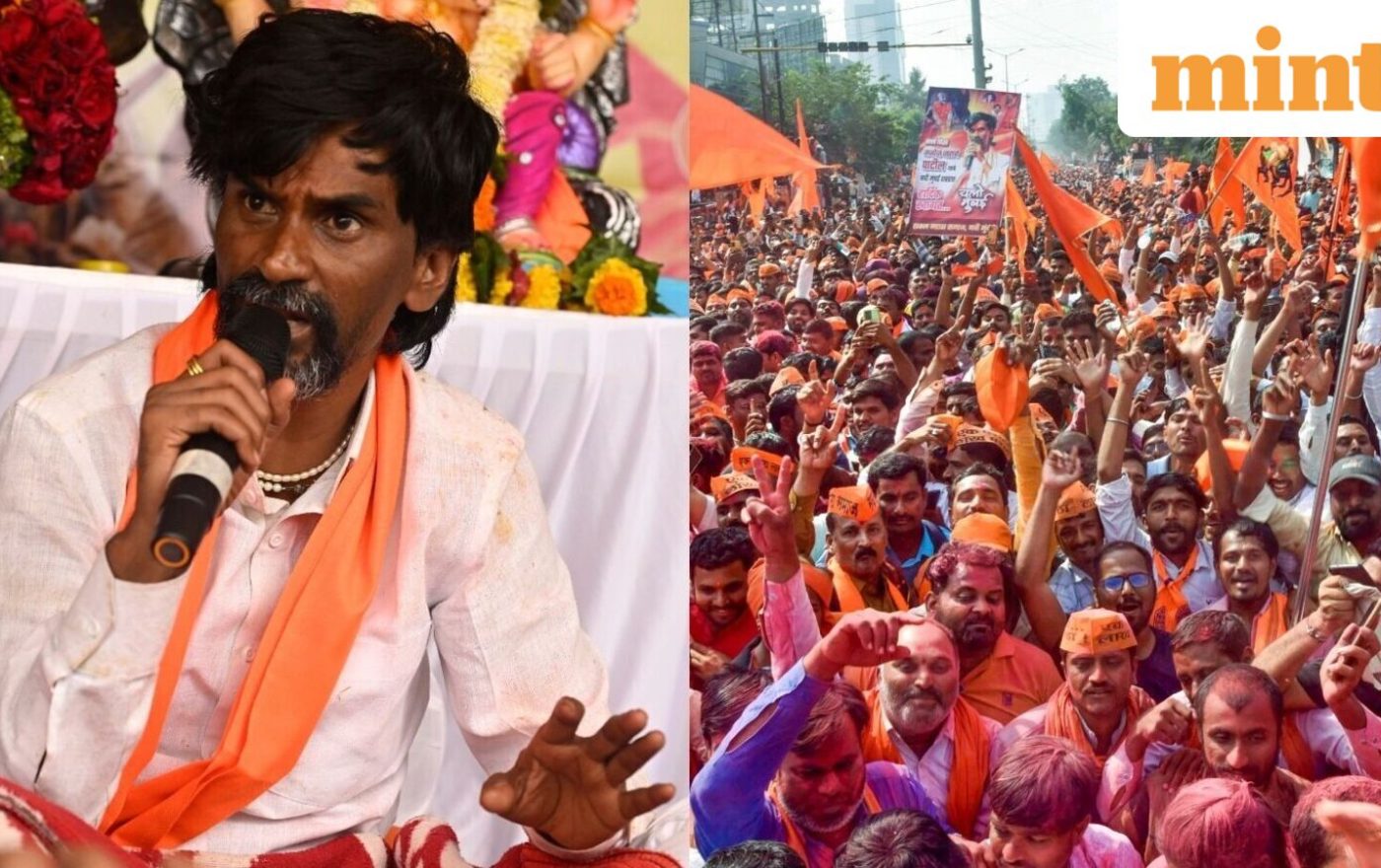
Theindiapostdaily.com – Who is Manoj Jarange Patil? For residents of Jalna district and followers of Maharashtra’s caste-rights politics, the answer has become inseparable from a single image: a thin, exhausted man sitting motionless in the village of Antarwali Sarti, having passed eleven straight days without food, water, or sleep. Jarange-Patil, a Maratha reservation campaigner who has spent over a decade turning his own body into a bargaining chip, crossed into the second week of his latest indefinite hunger strike on 29 August. His ultimatum to the state government is unambiguous — classify the Maratha community under the Other Backward Classes (OBC) reservation scheme, honour the Hyderabad and Satara Gazette records, and issue Kunbi caste certificates to eligible households — or the fast will continue until it takes its toll.
The past two days have ratcheted up the tension considerably. Addressing reporters at the protest encampment, Jarange-Patil charged senior state ministers with coordinating a campaign to mislead Marathas about their political trajectory. He also alleged that authorities had mapped interception points along the highway corridor to Mumbai, intending to break up any mass march of protesters before it reached the capital.
“Do not come to Antarwali now, but on 12 September, not a single Maratha should stay behind.”
With that summons, he called on supporters across Pune, Thane, Nashik, and Mumbai to converge on Jalna in full strength on Saturday. Simultaneously, he urged well-wishers to keep the immediate protest perimeter clear so his fast could proceed undisturbed, and he asked travellers not to retaliate should police harass them en route.
“We will not cause any trouble to the police even if they trouble the protesters. But if the blood of even one protester is shed, Maharashtra should shut down within 10 minutes.”
The Kunbi Classification at the Core of the Fast
Any answer to the question of who is Manoj Jarange Patil and what he stands for must begin with the Kunbi sub-caste. Historically agrarian, the Kunbi community is nominally listed within the OBC category, which in theory entitles its members to reserved seats in state government employment and higher education. In practice, activists contend, the failure to issue Kunbi caste certificates — the documents that would let individuals actually claim those benefits — has reduced the classification to a dead letter for thousands of families. Jarange-Patil frames his fast as a direct appeal to dismantle that administrative blockage.
He equally insists on formal recognition of the Hyderabad and Satara Gazette records, historical documents he believes substantiate the Maratha community’s backward-class status. Without their official validation, he argues, no certificate can be generated and no reservation benefit can be accessed, rendering the entire OBC listing meaningless on paper.
From Beed Fields to Jalna’s Protest Roads
Jarange-Patil was born in neighbouring Beed district. After marriage he settled in Shahgad, a village in Jalna district, where he has remained ever since. His entry into the Maratha reservation movement came roughly seventeen years ago; since then he has walked in numerous marches, endured prolonged sit-downs, and faced repeated police encounters. To sustain a protest household through years of agitation, he reportedly sold two and a half acres of his four-acre agricultural holding, trading land for the modest income that keeps the movement afloat.
Politically, he began under the Indian National Congress banner before breaking away to found the Shivba Sanghatana, an organisation devoted exclusively to organising Maratha reservation protests. The group has since become a recognisable fixture in Jalna’s protest landscape.
The 2021 Supreme Court Verdict and Its Aftermath
The current agitation sits atop a wound opened in 2021, when the Supreme Court struck down the Maharashtra Maratha quota law, holding that a single community could not be carved out for reservation within the OBC framework without satisfying constitutional proportionality limits. In the months that followed, Jarange-Patil led a three-month agitation at Sasht-Pimpalgaon in Jalna district, drawing hundreds of supporters into a sustained sit-down that became one of the longest continuous Maratha protests in recent memory.
That judicial ruling did not close the political question; it deepened it. For activists in his orbit, the court’s reasoning left open the possibility that the Maratha community — or its Kunbi sub-group — could still qualify under the broader OBC umbrella if the state government chose to classify them accordingly. His hunger strike is an attempt to force that classification decision into the open.
Frequently Asked Questions
Where is Manoj Jarange Patil conducting his hunger strike? He is sitting in Antarwali Sarti, a village in Jalna district, Maharashtra. The strike began on 29 August and has entered its second week.
What specific demands is he making? Three: (1) classification of the Maratha community under the OBC reservation framework, (2) formal implementation of the Hyderabad and Satara Gazette records, and (3) issuance of Kunbi caste certificates to eligible families.
What is the Kunbi sub-caste and why does it matter here? Kunbi is a sub-group within the Maratha community, traditionally agrarian. Although nominally listed under OBC, the absence of issued caste certificates has prevented most Kunbi families from accessing reserved seats in government jobs or education.
What happened after the 2021 Supreme Court ruling? The Court struck down the Maharashtra Maratha quota law on proportionality grounds. Jarange-Patil subsequently led a three-month agitation at Sasht-Pimpalgaon and has since continued periodic fasts to press for OBC classification through administrative rather than legislative channels.
When is the next major mobilisation date? He has called on Maratha supporters statewide to converge on Jalna on 12 September.