For better outcomes, bar on Jan Aushadhi outlet sops raised for women entrepreneurs
For better outcomes, the bar on Jan Aushadhi outlet SOPs is being raised for women entrepreneurs across India. Starting next month, revised guidelines under
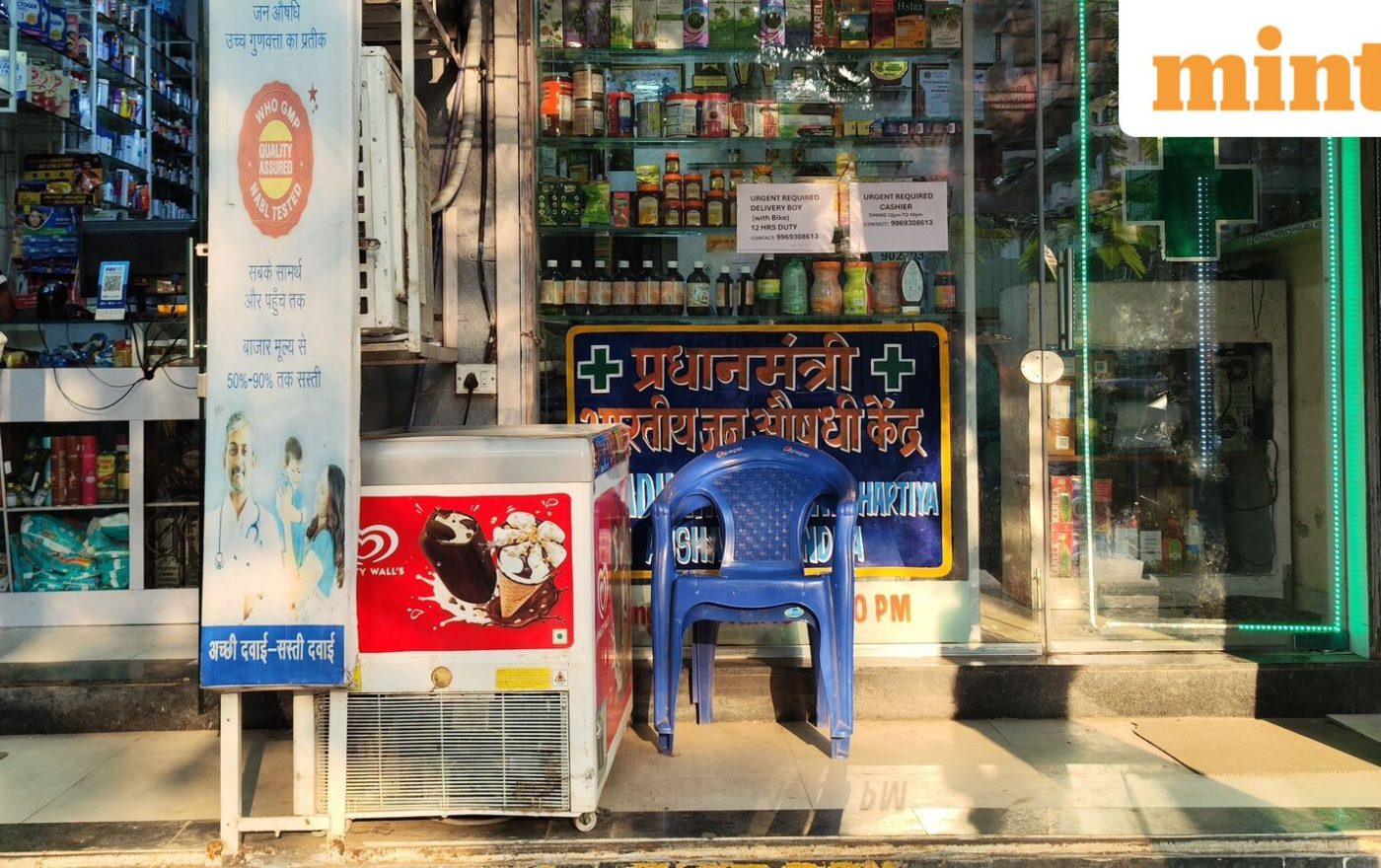
Jan Aushadhi Bar Raised for Women Entrepreneurs
Theindiapostdaily.com – For better outcomes, the bar on Jan Aushadhi outlet SOPs is being raised for women entrepreneurs across India. Starting next month, revised guidelines under the Pradhan Mantri Bhartiya Janaushadhi Pariyojana (PMBJP) will stipulate that any woman seeking the scheme’s ₹2 lakh startup incentive must hold an active pharmacist registration and must run the Kendra in her own legal name. Two government officials and an internal policy document confirm the shift, which closes a previously permissive loophole that allowed family members or associates to operate the pharmacy while the woman collected the grant.
Two Non-Negotiable Conditions Now Apply
The updated PMBJP framework pairs two requirements that must be met simultaneously before funds are disbursed. The applicant must possess a current registration issued under the Pharmacy Act and applicable state regulations. Separately, the proposed Kendra must carry her name on its licence, tax filings, and day-to-day operational records — not a spouse’s, parent’s, or partner’s. The ₹2 lakh incentive, earmarked for initial stock, fit-out, and working capital, releases only when both boxes are checked.
For better outcomes, the bar on Jan Aushadhi incentive access has moved from a loosely interpreted eligibility window to an explicit, credential-anchored gate. The government’s stated rationale is straightforward: tying the grant to a credentialed professional who also bears legal ownership ensures the money converts into accountable retail activity rather than a passive investment routed through a proxy.
The PMBJP in Context
Launched in 2015, the Pradhan Mantri Bhartiya Janaushadhi Pariyojana set out to place affordable generic equivalents of commonly prescribed drugs — antibiotics, antihypertensives, antidiabetics, analgesics, and over-the-counter formulations — within reach of rural and semi-urban households that face steep premiums on branded pharmaceuticals. Since inception, Jan Aushadhi Kendras have proliferated across every state and union territory, typically pricing generics 20 to 50 percent below their branded references.
The programme runs on a franchise-like structure: the state supplies the brand identity, quality-assurance protocols, and an approved product catalogue, while the entrepreneur provides the storefront, staffing, and local inventory. Women have been singled out for enhanced support within the scheme, reflecting both a national push to broaden female participation in small enterprise and the practical observation that women-run neighbourhood outlets improve last-mile access to essential medicines.
Why Pharmacist Credentials Anchor the Model
Generic medicines are chemically identical to their branded references, yet competent selection, storage, and dispensing remain non-trivial. A registered pharmacist’s training spans drug-interaction screening, dosage verification, cold-chain management for temperature-sensitive formulations, and patient counselling — competencies a non-pharmacist owner may lack. Embedding that expertise directly into the ownership structure reduces dispensing-error risk and bolsters consumer trust in the network.
The own-name operation requirement adds a second accountability layer. When the outlet’s licence, tax filings, and consumer-complaint records all trace to the woman who received the incentive, regulatory oversight becomes unambiguous. It also guarantees that the economic benefit of the grant flows to the intended recipient rather than being absorbed by a proxy arrangement.
For better outcomes, the bar on Jan Aushadhi participation now demands that the person receiving public funds is also the person professionally qualified to dispense medicines and legally accountable for the outlet.
Practical Steps for Women Pharmacists
Women pharmacists weighing entry into the Kendra model should verify that their pharmacy registration is current, secure a suitable retail location, and submit an application through the PMBJP portal with documentation proving both credentials and ownership. The incentive remains available; the gatekeeping criteria are simply explicit and non-negotiable going forward. Women who previously explored the scheme without a pharmacy licence will find that pathway closed under the revised terms.
Frequently Asked Questions
Can a woman receive the ₹2 lakh incentive if her husband operates the Kendra?
No. Under the revised PMBJP guidelines, the outlet must be registered, licensed, and operated in the applicant’s own name. A spouse or associate handling day-to-day operations disqualifies the application.
Is a pharmacist registration from any Indian state acceptable?
The requirement is a valid registration issued under the Pharmacy Act and the applicable state-level regulations. Applicants should confirm with their state pharmacy council that the registration is current before applying.
What does the ₹2 lakh incentive cover?
The one-time grant is intended to offset initial inventory purchase, store fit-out costs, and working capital needed to launch the Kendra. It is released only after both the pharmacist-credential and own-name-ownership conditions are verified.
When do the revised rules take effect?
The tightened eligibility terms begin applying next month, as confirmed by two government officials and a policy document reviewed by media outlets.