Hazardous materials scare at Pentagon that led to evacuation turns out to be false alarm, says report
Pentagon Evacuation Due to Hazardous Materials Scare Turns Out to Be False Alarm Hazardous materials scare at Pentagon that - The Pentagon, a symbol of
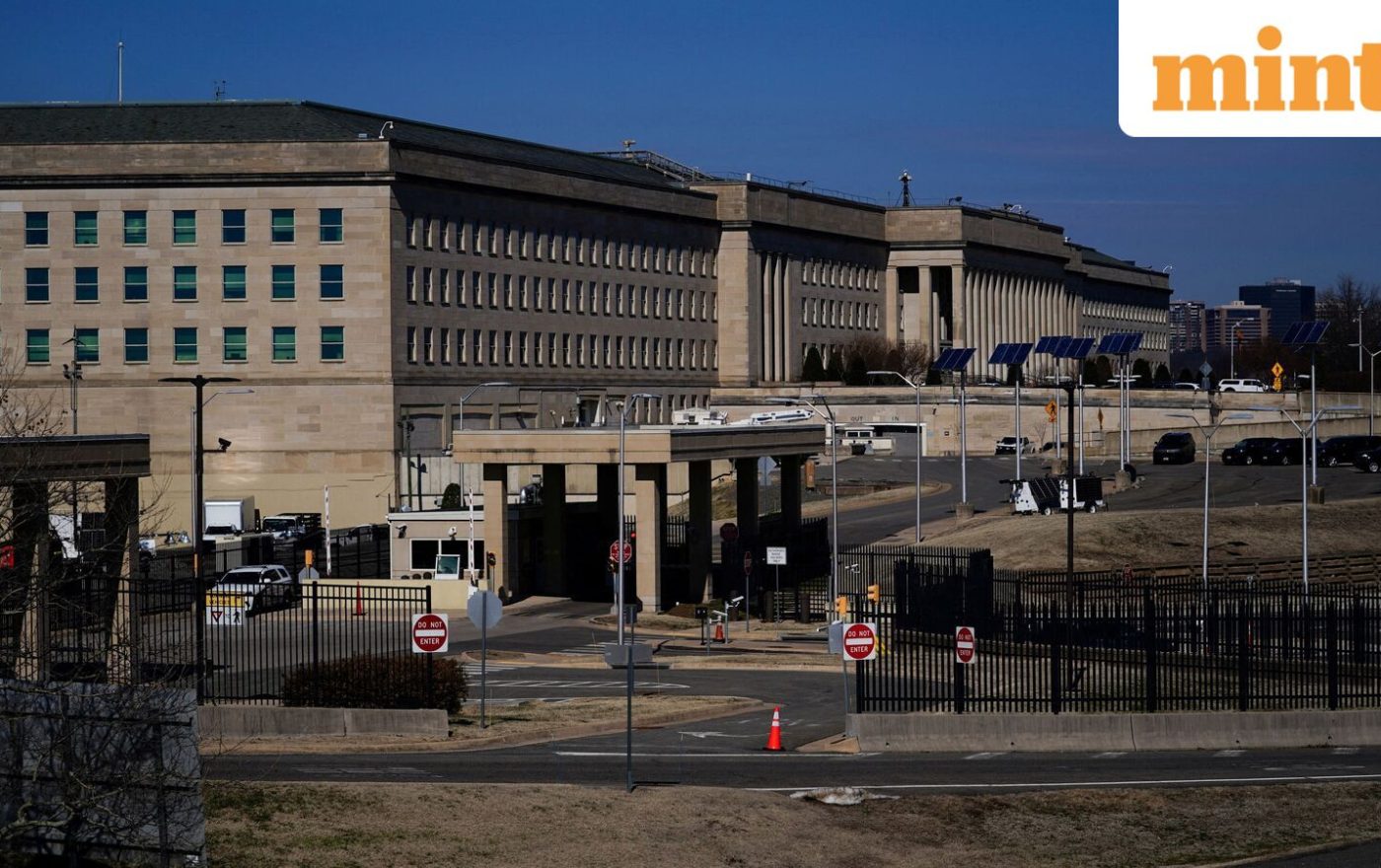
Pentagon Evacuation Due to Hazardous Materials Scare Turns Out to Be False Alarm
Theindiapostdaily.com – The Pentagon, a symbol of American military strength, recently experienced a precautionary evacuation sparked by a hazardous materials scare. According to a report by Livemint, the alert—triggered on Thursday—initially raised concerns about a potential chemical threat, prompting swift action from security teams and emergency responders. Although the situation caused temporary disruption, the scare was later confirmed as a false alarm, underscoring the vigilance and preparedness of the building’s safety protocols.
Alerts and Immediate Response
When the hazardous materials scare at Pentagon was first reported, officials swiftly initiated a lockdown to ensure the safety of all occupants. The initial response included evacuating multiple floors and deploying firefighters to assess the situation. While the exact cause of the alert remained unclear at first, the Pentagon’s advanced monitoring systems played a key role in identifying the issue. These systems, designed to detect a wide range of environmental hazards, flagged an unusual air quality reading that led to the precautionary measures.
“Our primary concern was to protect the people inside the building. The hazardous materials scare at Pentagon was a standard protocol activation, and we were able to quickly determine that no immediate danger existed,” stated Pentagon spokesperson Sean Parnell, as cited by Reuters. The alert, which originated from an automated sensor, was escalated to emergency personnel within minutes, ensuring a rapid and coordinated response.
Despite the urgency, the incident did not result in any injuries or significant damage. Firefighters, equipped with gas masks and chemical-resistant gear, conducted thorough checks of the affected areas. The evacuation process, though efficient, highlighted the importance of maintaining high alert status even in the absence of confirmed threats. The event also served as a reminder of the Pentagon’s role as a critical hub for military operations and the need for robust safety measures.
Investigation and Clarification
Following the initial evacuation, officials from the Pentagon and the Arlington County Fire Department launched a detailed investigation to determine the source of the air quality anomaly. The findings revealed that the alert was based on a minor fluctuation in air composition, possibly caused by routine maintenance or environmental factors. The report emphasized that the hazardous materials scare at Pentagon was a precautionary measure rather than an indication of a serious threat.
During the investigation, additional tests were conducted to rule out any potential risks. The results, shared with the public, confirmed that the substance detected was not harmful to human health. This clarification helped ease concerns among employees and visitors, who had temporarily left the building. The Pentagon’s security team also issued statements reaffirming that the incident was an isolated event and not linked to any broader security issues.
The building’s emergency protocols, which include shelter-in-place orders and immediate containment procedures, were again put to the test. These measures, while designed for more severe scenarios, proved effective in managing the situation. The incident demonstrated the seamless coordination between the Pentagon’s internal security systems and external response teams, ensuring that any potential threat was addressed promptly.
As the hazardous materials scare at Pentagon subsided, the focus shifted to reviewing the incident for lessons learned. Officials acknowledged that the alert was a result of a routine system check, which occasionally generates false positives. The event also sparked discussions about the balance between preparedness and the need to avoid unnecessary panic. With its history of resilience and innovation, the Pentagon continues to adapt its safety strategies to ensure the well-being of its personnel and the smooth operation of its vital functions.