US-Iran war LIVE: Iran fires several ballistic missiles at US aircraft carrier, destroyer harassing Iranian ships
Tehran's military establishment claimed on Saturday that it launched multiple ballistic missiles toward a United States aircraft carrier and an accompanying
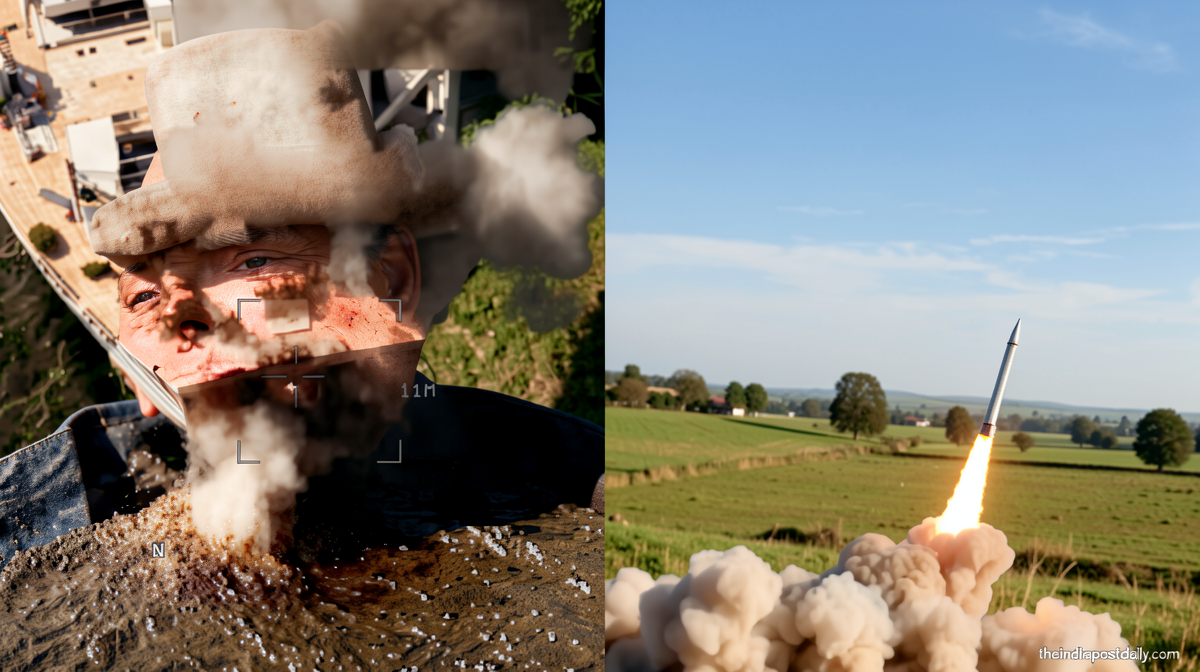
Ballistic Missiles Aimed at US Carrier as Strait of Hormuz Conflict Intensifies
Theindiapostdaily.com – Tehran’s military establishment claimed on Saturday that it launched multiple ballistic missiles toward a United States aircraft carrier and an accompanying destroyer operating in waters near Iran, asserting that the two American warships had been interfering with Iranian maritime traffic and enforcing a de facto naval cordon. The announcement came through the state-run broadcaster IRIB, which relayed a formal statement issued by the Aerospace Force of the Islamic Revolutionary Guard Corps (IRGC). The conflict between Washington and Tehran had been escalating rapidly over the preceding days, with both sides exchanging strikes on commercial shipping in the Persian Gulf and the Sea of Oman.
Missile salvo targets carrier group
The IRGC Aerospace Force stated that its missile units engaged what it described as the “child-killing American army” carrier and destroyer, accusing both vessels of harassing Iranian-flagged ships while taking part in a broader naval blockade of Iranian ports and shipping lanes. The language of the statement was deliberately inflammatory, consistent with the IRGC’s rhetorical tradition of framing American military presence in the Gulf as an existential threat to the Islamic Republic’s sovereignty.
“The Aerospace Force of the Islamic Revolutionary Guard Corps attacked with several ballistic missiles the aircraft carrier and a destroyer of the child-killing American army that were harassing Iranian ships and participating in the naval blockade.”
No independent confirmation of a direct hit on either US vessel was immediately available. The carrier and destroyer in question were part of the naval task force that Washington has maintained in the region since tensions first flared, and their presence in the narrow waterways of the Gulf has long been a point of friction between the two capitals.
Tanker strikes and the Hormuz chokepoint
Separately, the IRGC’s naval branch announced that it had struck three oil tankers transiting what it called an “unauthorised route” through the Strait of Hormuz, along with three additional vessels it identified as connected to the United States. The timing of these attacks was significant: they followed directly on the heels of US strikes that had damaged three Iranian oil tankers earlier the same morning. The Strait of Hormuz, roughly 33 kilometres wide at its narrowest point, carries approximately one-fifth of the world’s daily oil supply and remains the single most critical maritime chokepoint for global energy markets. Any sustained disruption to transit through the strait would send immediate shockwaves through crude prices and shipping insurance rates worldwide.
In a statement carried by IRIB, the IRGC Navy characterised the American strikes on the three Iranian tankers as a desperate attempt to shut down the strait entirely. The statement used pointedly accusatory language:
“This morning, the American terrorist and aggressive army, in a brutal act and out of desperation to close the Strait of Hormuz, attacked three oil tankers belonging to the Islamic Republic of Iran, causing damage.”
US Central Command had confirmed that its forces destroyed three Iranian tankers, framing the action as a response to what it described as Iranian harassment of commercial shipping. The exchange of strikes on tankers within hours of one another marked a sharp escalation from the pattern of shadowing and intimidation that had characterised earlier phases of the standoff.
Tehran invokes the UN Charter and warns of escalation
The Iranian Foreign Ministry issued its own condemnation on Saturday, labelling the US strikes on commercial vessels in the Persian Gulf and the Sea of Oman a breach of the United Nations Charter. The ministry went further, declaring that the attacks “constitute a war crime” and describing them as the latest chapter in a long-running campaign of American military aggression directed at Iran. The statement said Tehran “strongly condemns the US adventurist actions in attacking Iranian commercial vessels in the Persian Gulf and the Sea of Oman,” framing the incidents not as isolated incidents but as part of a deliberate strategy to strangle Iranian exports and pressure the economy.
On the military front, Iran’s Khatam al-Anbiya central command issued a warning that any continuation of American strikes on Iranian shipping would provoke retaliatory action of greater severity against US naval assets in the region. The command’s message was explicit about the possibility of widening the scope of engagement:
“The US terrorist army is warned that if the evil actions, insecurity and harassment of Iranian ships and the naval blockade of Iran continue, the strikes by the armed forces of the Islamic Republic of Iran against US military vessels in the region will be more severe than before, and there is a possibility of their expansion.”
Why the standoff matters
The rapid tit-for-tat exchange of strikes on tankers and warships underscores how quickly a regional maritime dispute can spiral into a broader naval confrontation. Both sides have stakes that extend well beyond the immediate incidents: for Washington, protecting the free flow of oil through Hormuz is a core strategic interest shared with Gulf allies and European partners; for Tehran, asserting control over the strait’s transit routes is both a bargaining chip and a demonstration of deterrence capability. The IRGC’s claim of ballistic-missile fire at a carrier group, even if unconfirmed, signals that Tehran is willing to project force against the most heavily defended platforms in the US Navy. Whether the next round of exchanges remains confined to commercial shipping or expands to direct warship-on-warship engagement will determine whether the crisis stabilises or deepens into a sustained naval campaign.
Related Reading
Frequently Asked Questions
What is US Iran war LIVE?
US Iran war LIVE is the main topic of this guide. The article explains the context, practical details, and next steps readers should understand.
Why does US Iran war LIVE matter?
US Iran war LIVE matters because readers are looking for a useful answer, not just a short summary. Good content should match search intent and help them decide what to do next.