Iran goes on offensive against US amid Hormuz blockade: What does it mean? ‘If confrontation becomes unavoidable…’
Tehran's military posture has undergone a marked transformation. Where the Islamic Republic previously framed its strikes against American, Israeli, and Gulf
Iran Pivots to Offensive Posture as Hormuz Standoff Deepens
Theindiapostdaily.com – Tehran’s military posture has undergone a marked transformation. Where the Islamic Republic previously framed its strikes against American, Israeli, and Gulf targets as acts of retribution for the bombardment campaign that opened on 28 February, officials now speak openly of launching “offensive operations” while Washington and Tehran remain locked in stalemate over a post-war agreement.
From Retaliation to Strategic Offence
The doctrinal shift was formalized during a reshuffle of senior military commanders earlier this month. Supreme Leader Mojtaba Khamenei directed the reorganized command structure toward what he described as:
“strengthening maximum deterrence and preparing to conduct large-scale offensive operations against the enemy.”
The following week, a deputy commander of the Islamic Revolutionary Guard Corps confirmed that Tehran was rewriting its military doctrine to place offensive action at the centre of strategic planning. Analysts interpret this as a signal that Iran believes it now holds sufficient leverage to press its demands and break the diplomatic deadlock.
The Hormuz Lever
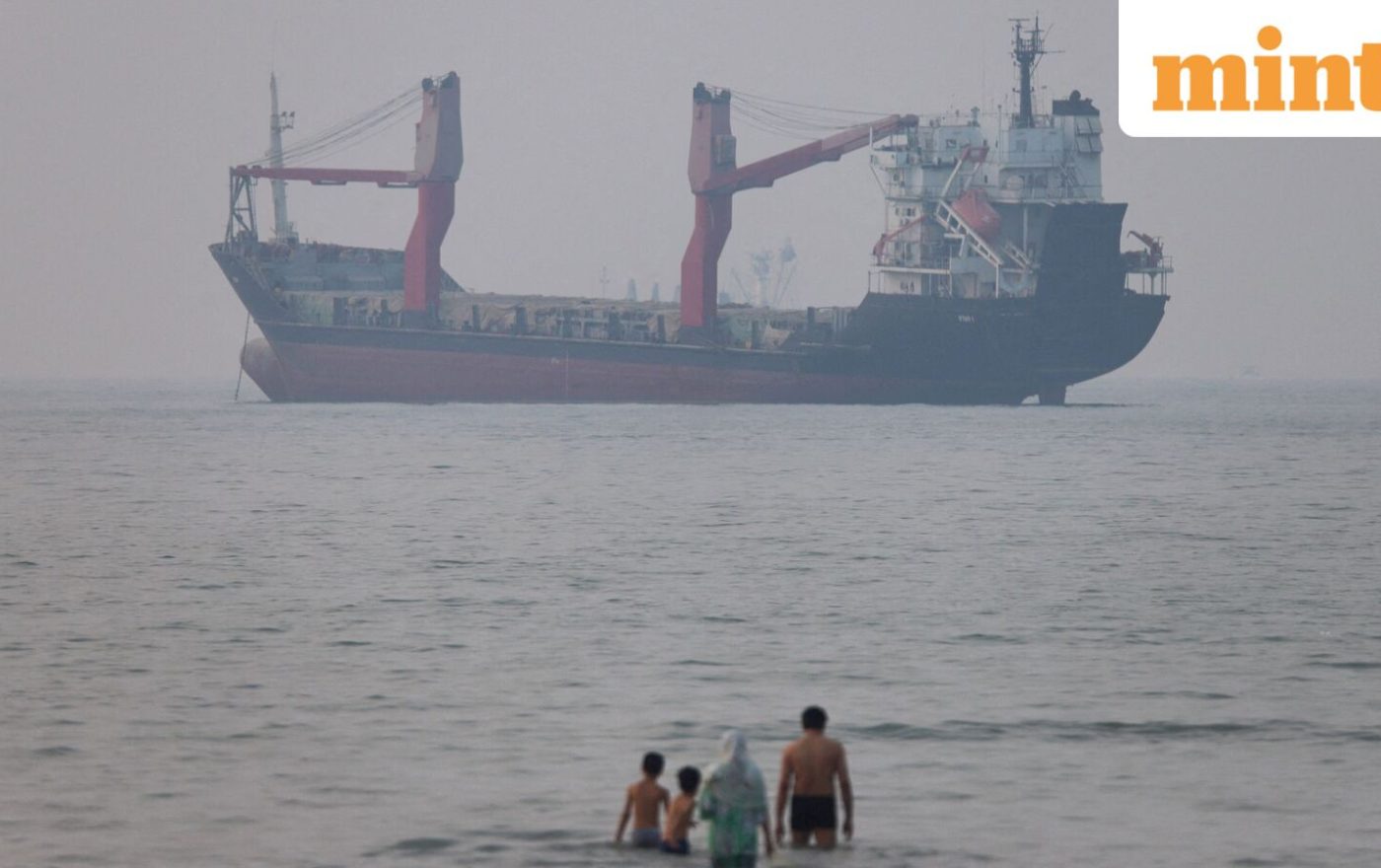
At the heart of Iran’s new calculus sits the Strait of Hormuz. Tehran now requires transiting vessels to obtain permission and remit service fees before passage — a requirement Washington and neighbouring states have rejected outright. The disruption has rattled global energy markets and pushed prices higher, giving Iran a tangible bargaining chip it did not possess at the war’s outset.
US Vice President JD Vance stated last week that “goal number one” for Washington was keeping energy prices low for American consumers, while preventing Tehran from obtaining a nuclear weapon ranked second in priority. Reopening the strait has accordingly become a central American objective.
What Analysts Read in the Shift
Sina Toossi of the Center for International Policy cautioned that the turn toward offence should not be mistaken for a wholesale adoption of preventive-war doctrine. In his assessment, Tehran has reached a different conclusion:
“if confrontation becomes unavoidable, Iran should escalate earlier and more forcefully rather than wait for the United States or Israel to define the terms of the conflict.”
He added that the broader strategic picture has changed:
“Tehran increasingly believes that American military superiority does not give Washington escalation dominance.”
Ahmad Zeidabadi, a Tehran-based international relations scholar, framed the pivot as a response to what he sees as Washington’s settled intention to avoid full-scale war while maintaining the naval blockade and economic pressure indefinitely.
“The Islamic Republic believes the United States has likely ruled out war and now seeks to perpetuate the status quo including the US naval blockade and the economic pressure.”
Diplomacy Stalled, Memory of Loss
Negotiations have been frozen since the 17 June truce collapsed and Washington reimposed oil sanctions alongside the port blockade. Zeidabadi summarized the prevailing mood in Tehran:
“Iranians believe that diplomacy is doomed to fail in the current climate and that the Americans will not accept their terms.”
The war’s opening phase inflicted devastating losses on Iran, including the killing of Supreme Leader Ayatollah Ali Khamenei and several senior military commanders, along with extensive material and economic destruction. Yet the political architecture survived intact, and sustained bombardment tapered after an 8 April ceasefire, leaving only sporadic exchanges of fire concentrated in and around the strait.
The conflict has since widened regionally, drawing in clashes between Saudi Arabia and the Iran-backed Houthis in Yemen and disrupting commercial shipping through the Red Sea’s Bab al-Mandab strait.
The June Memorandum and Its Aftermath
The 17 June memorandum of understanding between Tehran and Washington — which laid out truce terms — represented a dramatic departure from President Donald Trump’s original demand for Iran’s “unconditional surrender.” The arrangement ultimately broke down over disagreements centred on who would manage the Hormuz transit regime. Nevertheless, Iranian officials continue to cite the document as proof of triumph.
“I can state with conviction that we have won this war in the true sense of the word, both militarily and politically,”
top negotiator Mohammad Bagher Ghalibaf declared in a speech last week, branding the collapsed deal a source of “pride and victory.”
Miscalculation Risk
In late July, an Iranian strike on a US air base and command centre in Jordan was presented in domestic media as a demonstration of the new “preemptive” approach. Hossein Kanani-Moghadam, an international relations specialist and former Revolutionary Guards general, warned that the expanded doctrine could take multiple simultaneous forms.
“Such operations could encompass a combination of cyber warfare, psychological warfare, intelligence operations, and economic war.”
Related Reading
Frequently Asked Questions
What is Iran goes on offensive against US amid?
Iran goes on offensive against US amid is the main topic of this guide. The article explains the context, practical details, and next steps readers should understand.
Why does Iran goes on offensive against US amid matter?
Iran goes on offensive against US amid matters because readers are looking for a useful answer, not just a short summary. Good content should match search intent and help them decide what to do next.