Deputy governor Murmu asks banks to stress-test AI systems before deployment
At the fourth CNBC-TV18 Banking Transformation Summit held in Mumbai on Wednesday, Reserve Bank of India deputy governor Shirish Chandra Murmu laid out a
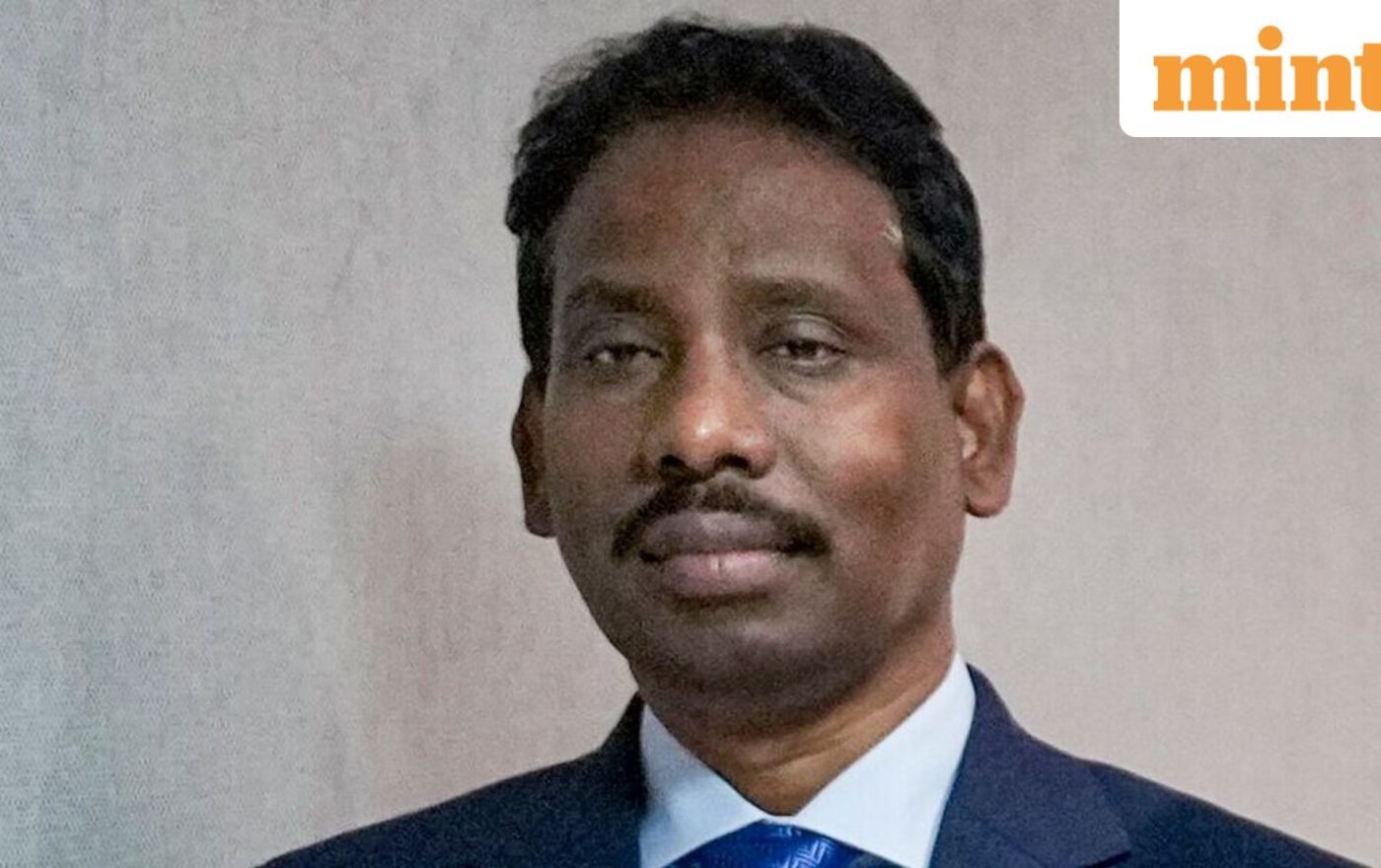
RBI Deputy Governor Murmu Directs Banks to Stress-Test AI Before Going Live
Accountability and System Inventory at the Core
Theindiapostdaily.com – At the fourth CNBC-TV18 Banking Transformation Summit held in Mumbai on Wednesday, Reserve Bank of India deputy governor Shirish Chandra Murmu laid out a framework of five guiding principles for lenders navigating the artificial-intelligence era. Central among them: every automated decision must carry a named human owner, and each institution must maintain a complete, up-to-date catalogue of every model and AI system it operates — including components buried inside third-party vendor products.
“A machine may reach the decision, a person must own it. If a bank cannot say who that person is, it has not deployed a model; it has delegated its accountability.”
Murmu stressed that transparency toward customers is non-negotiable. Whenever an automated system makes a decision with material consequences — a turned-down loan, a slashed credit limit, a rejected insurance claim — the affected individual must have a clear pathway to a human authority capable of reviewing the outcome.
Adverse Testing Before and After Deployment
The deputy governor instructed lenders to subject their AI systems to adverse conditions prior to any production rollout, and to repeat such testing at regular intervals thereafter. The broader mandate: anticipate cyber-fraud vectors and other nascent threats, shield consumers, and uphold the integrity of financial markets.
Cost Savings Alone Are Not the Metric
Murmu cautioned against reducing the value of AI to a single line item on the expense sheet.
“If AI compresses costs without widening reach or improving the customer’s experience, we shall have automated the existing system rather than improved it.”
Credit-Access Data Raises Alarm
Citing credit-bureau statistics, the deputy governor noted that the proportion of new businesses entering the formal credit pipeline dropped to 42 percent during 2025-26, down from 52 percent in 2022-23, even though outstanding commercial credit expanded by 14 percent over the same span. He warned against conflating a data gap with a negative signal — treating “we don’t know” as though it meant “we know it’s bad” risks needlessly shutting credit doors.
Collective Risk Demands Collective Intelligence
Shared data sets, common model architectures, overlapping vendors, and interconnected infrastructure can propagate risk across multiple institutions simultaneously. Murmu argued that when danger becomes systemic, the analytical response must scale accordingly, pointing to the central bank’s MuleHunter.ai initiative and the Digital Payments Intelligence Platform as institutional answers to that challenge.
Context: Governor Malhotra’s Earlier Call
Murmu’s remarks extend a theme set by RBI governor Sanjay Malhotra, who urged banks to adopt AI deliberately rather than passively. Malhotra framed the choice starkly:
“The only question now before us is whether you shape the AI journey or you let it shape you by default.”
He added that artificial intelligence will reshape how banks evaluate risk, serve customers, price capital, and organise day-to-day operations. Malhotra also highlighted the role of public digital rails — Aadhaar, UPI, DigiLocker, and ONDC — as enablers that the private sector can leverage to accelerate responsible AI integration.
Related Reading
Frequently Asked Questions
What is Deputy governor Murmu asks banks to stress?
Deputy governor Murmu asks banks to stress is the main topic of this guide. The article explains the context, practical details, and next steps readers should understand.
Why does Deputy governor Murmu asks banks to stress matter?
Deputy governor Murmu asks banks to stress matters because readers are looking for a useful answer, not just a short summary. Good content should match search intent and help them decide what to do next.