E20, 22, 25, 27, 30, 85: Is your car or bike ready for ethanol-blended petrol? Here’s all you need to know
E20, 22, 25, 27, 30, 85: Are Your Vehicles Ready for Ethanol-Blended Fuels? Theindiapostdaily.com – The Indian government’s push toward ethanol-blended fuels has introduced several variants, including E20, E22, E25,…
E20, 22, 25, 27, 30, 85: Are Your Vehicles Ready for Ethanol-Blended Fuels?
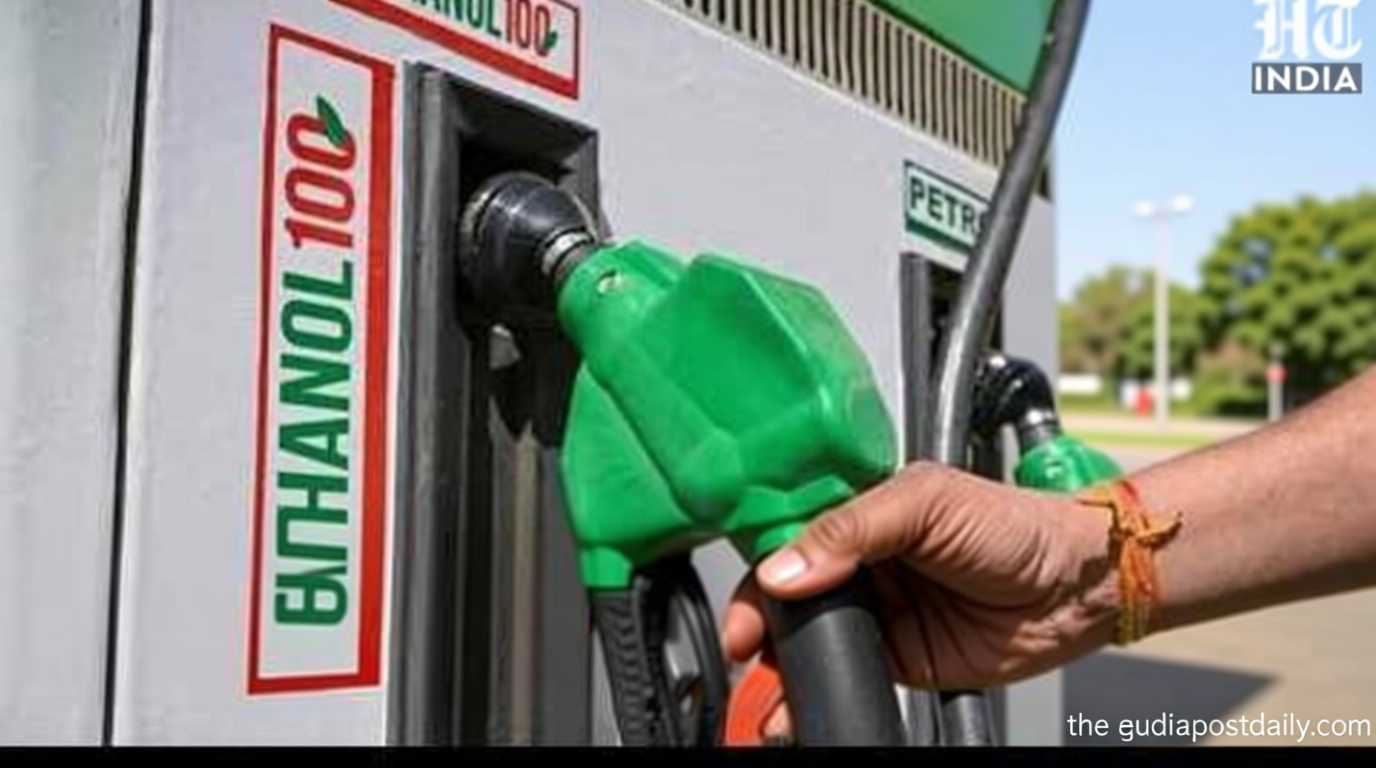
Theindiapostdaily.com – The Indian government’s push toward ethanol-blended fuels has introduced several variants, including E20, E22, E25, E27, E30, and E85, each with distinct ethanol content levels. These blends aim to reduce dependence on imported crude oil, lower emissions, and promote sustainable energy alternatives. As the nation transitions to higher ethanol mixtures, understanding their compatibility with existing vehicles is crucial. The introduction of E85, which contains 85% ethanol, marks a significant step in this initiative, while E20, currently the most widespread blend, remains the standard for most Indian petrol pumps. This article explores the key differences between these blends, their availability, and what owners need to know to ensure their vehicles can handle the shift.
Excise Duty Changes and Blended Fuel Availability
In response to rising global crude oil prices, the Indian government has implemented excise duty reductions on ethanol-blended fuels to encourage adoption. E22, E25, E27, and E30 blends, which contain 22%, 25%, 27%, and 30% ethanol respectively, now benefit from lower excise duties, making them more affordable for consumers. This move follows earlier excise cuts on petrol and diesel, which reduced prices by ₹10 per litre. The government’s strategy also includes the roll-out of E85, a high-ethanol blend, at select stations, such as an Indian Oil Corp outlet in Delhi. While E20 remains the primary standard, the availability of other blends indicates a broader effort to diversify fuel options and reduce environmental impact.
The Bureau of Indian Standards (BIS) has set specifications for E22, E25, E27, and E30, ensuring they meet quality and compatibility requirements for vehicles. These standards emphasize the use of anhydrous ethanol, which prevents moisture-related issues. However, despite these specifications, public access to these blends is limited, and E85 is still in the early stages of implementation. The gradual introduction of these ethanol variants reflects a phased approach to minimize disruptions for vehicle owners while encouraging manufacturers to adapt to new fuel technologies.
E20: The Standard for Most Vehicles
E20, a 20% ethanol blend, is the most commonly used fuel in India, with its adoption mandated from 1 April 2026. This shift was accelerated by the government’s 2020-25 roadmap, which set ambitious targets for ethanol blending. Prime Minister Narendra Modi’s 2023 launch of E20 at India Energy Week highlighted its role in the country’s sustainable energy goals. While E20 is now the default for most new vehicles, older models may require modifications to run efficiently on this blend. As of 2025, only around 30% of petrol vehicles and motorcycles meet E20 compatibility, indicating that the transition is still in progress.
The lower ethanol blends, such as E22 and E25, offer a more gradual shift for vehicle owners, as they contain smaller ethanol percentages. However, the transition to higher ethanol blends like E27, E30, and E85 presents challenges, particularly for two-wheelers and older engines. Engineers and policymakers emphasize that these blends can be used in existing vehicles, but regular maintenance and updated fuel systems are necessary to prevent performance issues. The government’s long-term goal is to increase ethanol content in fuels to 85%, but achieving this requires addressing technical and logistical hurdles.
Performance and Efficiency Concerns
While ethanol-blended fuels are promoted for their environmental benefits, their impact on vehicle performance remains a topic of discussion. A LocalCircles survey found that nearly half of respondents reported a decline in fuel efficiency, with some experiencing up to a 20% reduction in mileage. These findings align with reports from vehicle owners, many of whom noted increased mechanical wear or frequent repairs after switching to higher ethanol blends. Common issues include engine knocking, fuel line degradation, and carburetor clogging, particularly in older models not designed for ethanol content above 20%.
Experts caution that ethanol has a lower calorific value than conventional petrol, which can affect engine performance and fuel economy. However, advancements in engine technology and the use of higher octane blends may mitigate these drawbacks. The government has acknowledged these concerns and is working with manufacturers to ensure that existing vehicles can handle ethanol content up to 30%. As E85 becomes more widely available, further testing and adjustments may be needed to optimize its performance across different vehicle types.
Cost Implications and Future Plans
The excise duty reductions on E22, E25, and E27 blends are expected to lower fuel costs for consumers, making the transition more financially viable. While E85’s exact pricing is still under evaluation, its higher ethanol content may result in lower per-litre costs compared to conventional petrol. The government’s focus on ethanol blending is driven by the need to reduce oil import bills and promote domestic biofuel production, particularly from sugarcane and grains. With continued support for ethanol-based fuels, India aims to achieve a significant reduction in carbon emissions and enhance energy security in the long term.
As the country moves toward higher ethanol blends, the emphasis will shift to public awareness and infrastructure development. Vehicle owners are advised to check their car or bike’s specifications to determine compatibility with E20, E22, E25, E27, E30, or E85. This includes verifying if their engine type supports ethanol content above 20% and ensuring their fuel system is designed for the blend. The government’s efforts to standardize ethanol fuel and improve vehicle compatibility will play a critical role in the success of this initiative, which is seen as a key step toward sustainable energy in India.