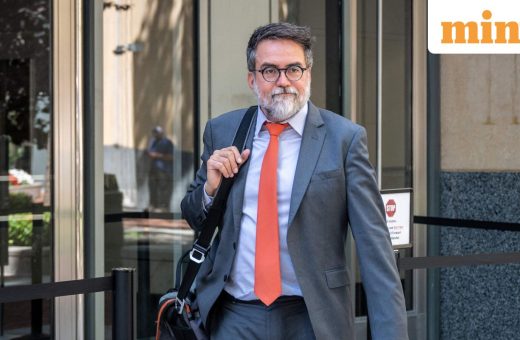
Former Iran president Khatami warns against prolonged war, urges diplomacy with US, Israel: ‘We cannot live with war’
Former Iran president Khatami warns that prolonged military confrontation will exhaust the Iranian state and its citizens, urging Tehran to pursue measured
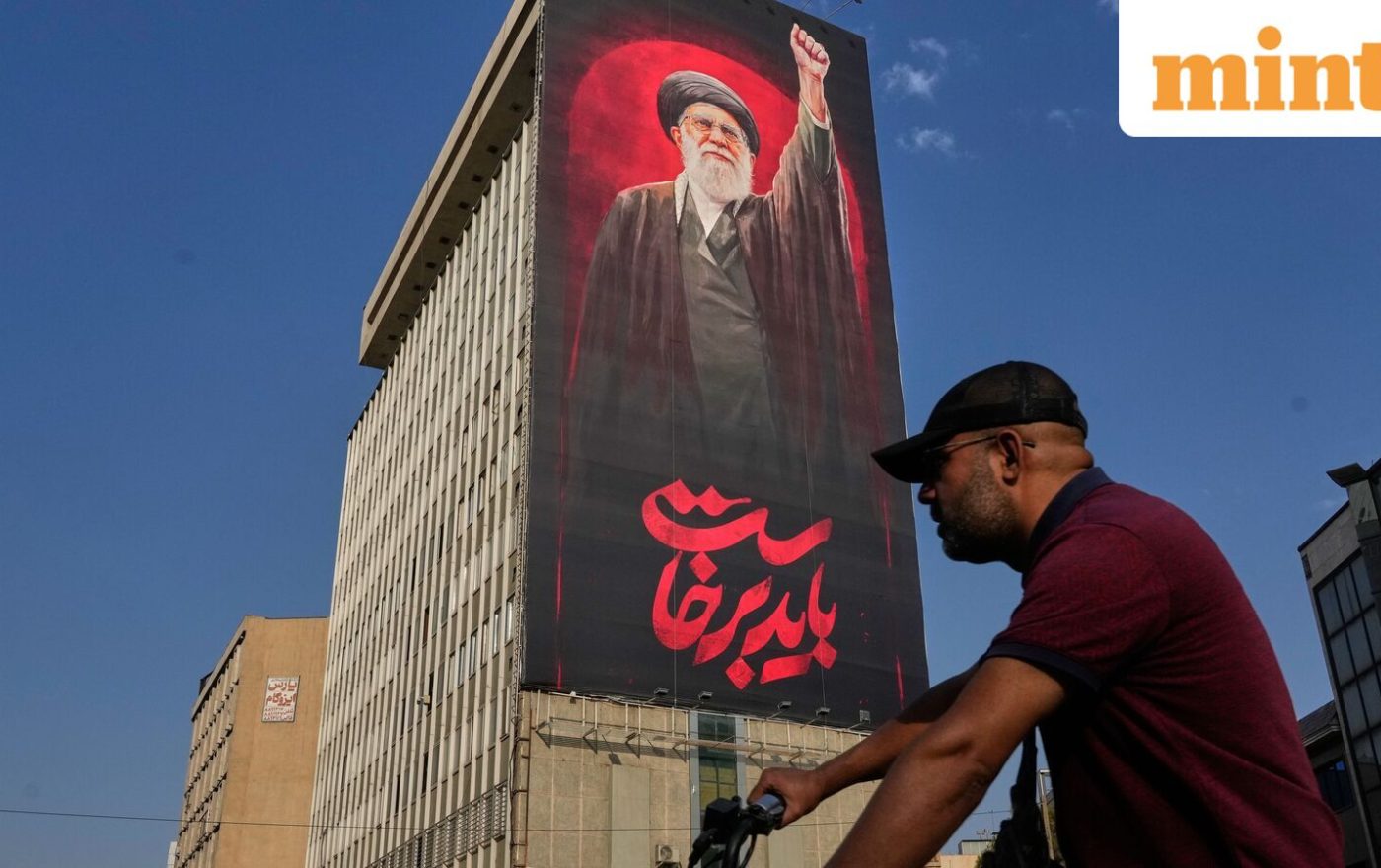
Khatami Warns Against Prolonged War, Urges Diplomacy
Theindiapostdaily.com – Former Iran president Khatami warns that prolonged military confrontation will exhaust the Iranian state and its citizens, urging Tehran to pursue measured diplomacy with Washington and Jerusalem rather than allow escalation to consume daily life. His remarks land at a moment when renewed hostilities between the three capitals remain an acute possibility, and domestic economic pressure is intensifying public demand for de-escalation.
“We Cannot Live with War”
The former head of state framed his intervention around the economic and social toll that extended confrontation exacts on ordinary households. He acknowledged that Tehran could not rely on American goodwill or expect Israel to abandon its escalation strategy, yet insisted the response must be calibrated rather than maximalist.
“We cannot live with war. The people cannot, and it is not possible to continue daily life, meet people’s needs and govern society under such conditions.”
Although the United States cannot be trusted and Israel will stop at nothing to continue tensions and conflict, this obstacle must also be confronted with prudence and measured diplomacy. The former president stressed that survival of the state does not require perpetual mobilization; effective governance demands stable supply chains, predictable fiscal planning, and public confidence that war steadily erodes.
The Republic Will Endure
Khatami dismissed any notion that foreign bombardment or total war could topple Iran’s political order. In his view the system is here to stay notwithstanding its internal flaws, and no external assault will compel its dissolution. He drew a firm line between defending sovereignty and courting annihilation through unending conflict.
Yet he attached a caveat: should leadership neglect the domestic grievances that have progressively estranged segments of the population, a distinct and arguably more dangerous threat would emerge from within. Internal cohesion, he implied, matters more than any single battlefield outcome.
A Split Deepens Over How to End the Conflict
Tehran’s ruling circle projects outward unity in its resolve to resist the United States and allied forces, but fissures are widening over the question of how—and whether—the present confrontation should be concluded. Two broad camps now compete for influence over post-ceasefire strategy, each drawing on different readings of Iran’s strategic position.
The clearest fault line separates the ultra-hardline Paydari faction, which scorns talks with Washington and demands outright military victory, from a more transactional grouping aligned with President Masoud Pezeshkian and Parliament Speaker Mohammad Bagher Ghalibaf.
Hardliners Scorn Negotiation
Paydari advocates maintain that Iran should keep ratcheting up military pressure and decline any compromise package. The movement has mobilized street rallies and state-broadcast messaging to frame resistance as sacred and negotiation as capitulation. Saeed Jalili, a prominent Paydari figure, is broadly understood to have been the sole dissenter within Iran’s supreme security council when the April ceasefire was approved.
Pragmatists See Leverage in Talks
The Pezeshkian–Ghalibaf orbit treats ongoing military operations as bargaining capital rather than an end in itself. Mahdi Mohammadi, an adviser to Ghalibaf, contended that diplomatic engagement could complement battlefield pressure by compelling American concessions on sanctions relief and security guarantees.
This faction also points to deteriorating macroeconomic indicators—a sliding currency, accelerating inflation, and climbing unemployment—as reasons why a drawn-out war would further erode popular legitimacy. The former president’s appeal for diplomacy lands squarely within this pragmatic current, arriving when the prospect of renewed escalation between Tehran, Washington, and Jerusalem remains an acute concern.
Frequently Asked Questions
Who is Mohammad Khatami? He served as Iran’s sixth president from 1997 to 2005 and is widely regarded as a reformist intellectual who championed civil liberties, interfaith